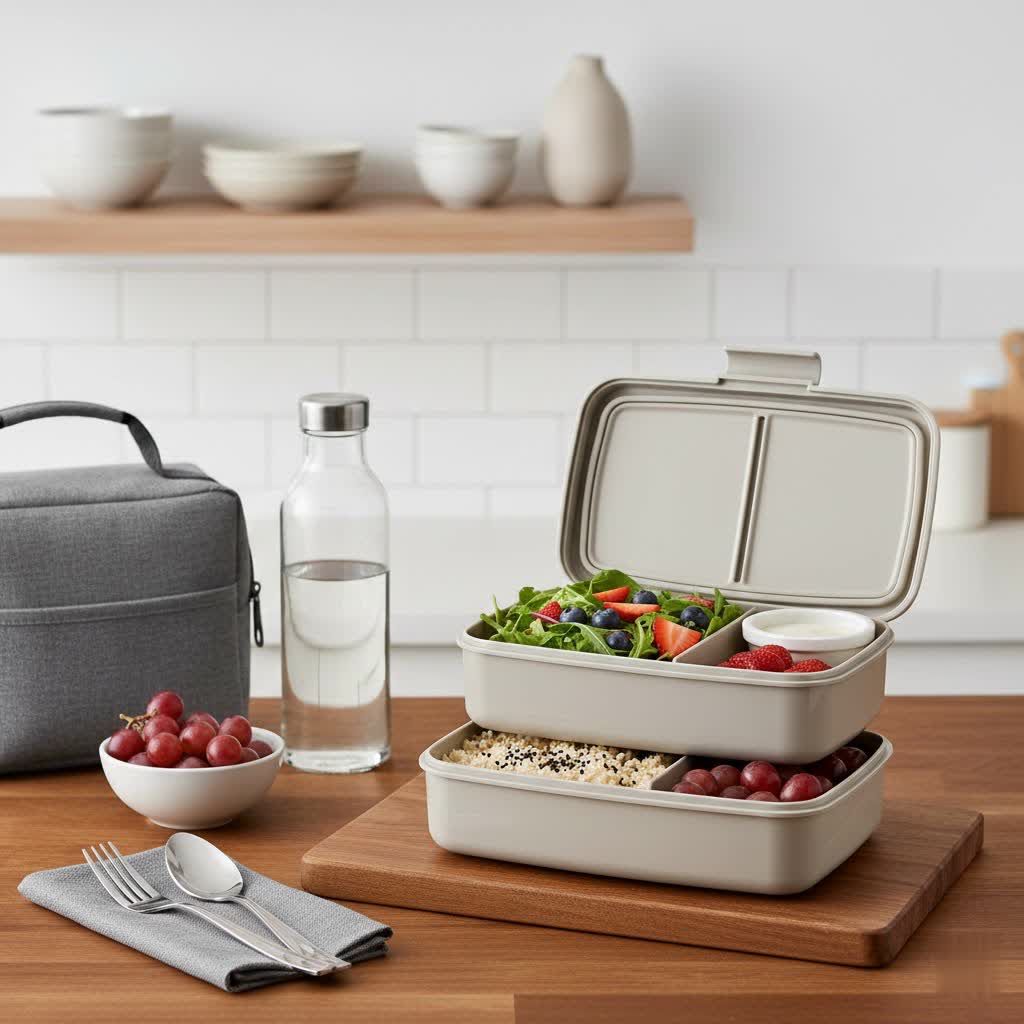
Are you tired of disposable containers that leak, squish your food, and contribute to overflowing landfills? For over a decade, as the Admin of ReviewPromos.com, I’ve personally tested and reviewed hundreds of kitchen products, with a special focus on lunch boxes. I understand the nuances of materials, designs, and features. My goal is to share this honest, easy-to-understand knowledge, helping you choose the perfect lunch box to meet your needs. Let’s dive into the world of Reusable Lunch Boxes and find your ideal lunch companion!
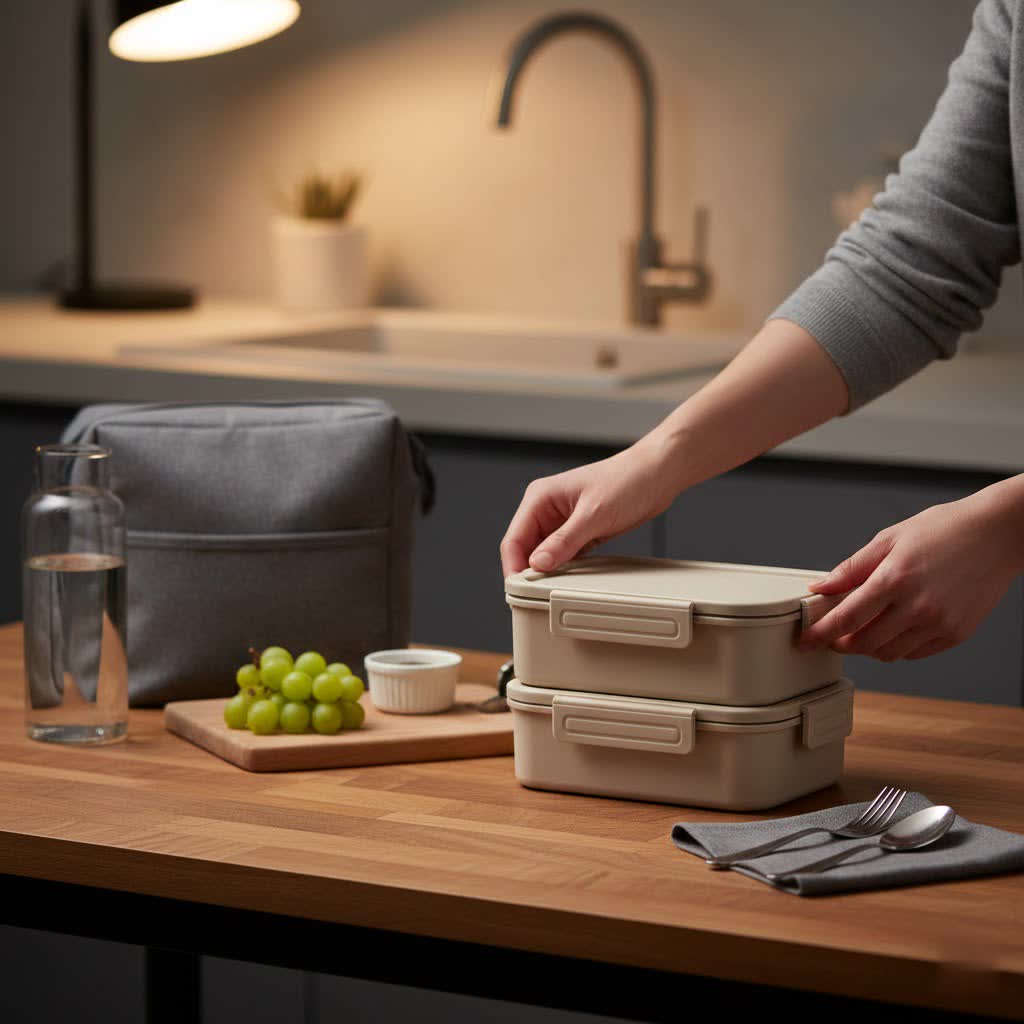
What is a Reusable Lunch Box?
A reusable lunch box is a durable container designed to carry food for multiple uses, serving as an eco-friendly alternative to single-use bags and packaging. Far from being a modern invention, the concept of a dedicated food carrier dates back centuries, evolving from simple wooden or metal containers to the sophisticated, compartmentalized systems we see today. The contemporary reusable lunch box marries practicality with environmental consciousness, offering a sustainable way to transport meals. These containers come in a variety of shapes, sizes, and materials, each crafted to suit different lifestyles and culinary needs, from keeping a sandwich fresh to maintaining the temperature of a hot stew.
Why Choose a Reusable Lunch Box?
Switching to a reusable lunch box offers a myriad of benefits that extend beyond just carrying your meal from home to work or school. It’s a choice that impacts your wallet, your health, and the planet.
One of the most immediate advantages is cost savings. By packing homemade meals in a reusable container, you significantly reduce daily expenses on takeout or pre-packaged foods and eliminate the recurring cost of disposable bags, wraps, and single-use plastic containers. These small savings accumulate over time, making a reusable lunch box a smart financial investment.
Furthermore, reusable lunch boxes empower you with better nutrition control. When you prepare your own meals, you have complete oversight of ingredients, portion sizes, and dietary requirements, ensuring a healthier and more balanced diet. This can be especially beneficial for managing allergies, specific diets, or simply avoiding unhealthy fast food options.
Beyond personal gains, choosing a reusable lunch box makes a tangible contribution to environmental protection. Disposable food packaging is a major contributor to plastic waste, which pollutes landfills and oceans, harming wildlife and ecosystems. By opting for a reusable solution, you drastically reduce your plastic footprint and help lessen the demand for new single-use products, thus lowering your overall carbon footprint.
Finally, reusable lunch boxes offer unmatched convenience and flexibility for an on-the-go lifestyle. Many designs feature airtight seals that keep food fresh and prevent leaks, ensuring your meal arrives intact and delicious. Whether you need to keep food hot or cold, or separate different dishes, there’s a reusable lunch box designed to simplify your daily routine and enhance your mealtime experience.
Popular Reusable Lunch Box Types
The market for reusable lunch boxes is diverse, offering options tailored to virtually every preference and necessity. Understanding the different types based on material, design, and function can help you make an informed choice.
Phân Loại Theo Chất Liệu (By Material)
The material of your lunch box dictates its durability, safety, and suitability for various foods and heating methods.
- Plastic Lunch Boxes: These are typically lightweight, affordable, and come in a vast array of colors and designs. When choosing plastic, always prioritize BPA-free options to avoid harmful chemicals. While convenient, plastic can sometimes stain, retain food odors, and may degrade over time, making it less durable than other materials.
- Stainless Steel Lunch Boxes: A highly popular choice, stainless steel is renowned for its exceptional durability, hygiene, and non-toxic properties. Food-grade stainless steel (often 18/8 or 18/10, referring to chromium and nickel content) is rust-resistant, doesn’t retain odors or flavors, and is fully recyclable. However, stainless steel is generally heavier than plastic and, unless specifically designed with vacuum insulation, it does not typically keep food hot or cold on its own, nor is it microwave-safe.
- Glass Lunch Boxes: Offering a premium feel, glass lunch boxes are non-toxic, do not leach chemicals into food, and are perfectly safe for microwave and oven use (without the lid). They are easy to clean, don’t stain or retain odors, and are fully recyclable. The main downsides are their fragility, making them less ideal for active children, and their heavier weight.
- Silicone Lunch Boxes: Flexible, lightweight, and often collapsible, silicone is a versatile material. High-quality, food-grade silicone is BPA-free, durable, leak-proof, and microwave-safe. While excellent for portability and storage, silicone can be more challenging to recycle than glass or stainless steel and may require specialized facilities.
- Insulated Lunch Boxes: While often a design feature, insulation can also be a primary material consideration. These are designed with multiple layers, sometimes including foam or reflective materials, to maintain food temperature. They are invaluable for keeping meals hot or cold for several hours, often featuring both an outer shell (fabric or hard plastic) and an inner lining.
|
Our Picks for the Best Lunch Box in 2026
We may earn a commission when you use one of our links to make a purchase.
|
||
| Num | Product | Action |
|---|---|---|
| 1 | Lifewit Large Lunch Bag Insulated Lunch Box Soft Cooler Cooling Tote for Adult Men Women, Dark Blue 12-Can (9L) |

|
| 2 | Lunch Bag Women Girls Boys Kids Lunch Box for Men School Work Picnic Travel, Large Insulated Lunch Tote Bags for Food Container Cooler with Water Bottle Holder Handheld Shoulder Strap Black A |
|
| 3 | Lifewit Medium Lunch Bag Insulated Lunch Box Soft Cooler Cooling Tote for Adult Men Women, Dark Gray 12-Can (9L) |
|
| 4 | Lifewit Medium Lunch Bag Insulated Lunch Box Soft Cooler Cooling Tote for Adult Men Women, Burgundy 12-Can (9L) |
|
| 5 | Lifewit Medium Lunch Bag Insulated Lunch Box Soft Cooler Cooling Tote for Adult Men Women, Dark Green 12-Can (9L) |
|
| 6 | DUPASU Electric Lunch Box Food Warmer: 100W Heated Lunch Box for Adults, 1.8L Portable Fast Heating Lunchbox Food Heater for Car, Truck, Work, Travel, Lonchera Elctrica Porttil 12/24V/110-230V |
|
| 7 | Lifewit Medium Lunch Bag Insulated Lunch Box Soft Cooler Cooling Tote for Adult Men Women, Gray 12-Can (9L) |
|
| 8 | Carhartt Camping Cooler, Worksite Lunchbox, Soft Shell Lunch Bag for Construction Sites, Work and Everyday Use, Black |
|
| 9 | Bento Box Adult Lunch Box, Containers for Adults Men Women with 4 Compartments, Lunchable Food Container with Utensils, Sauce Jar, Muffin Liners, 40 Oz/5 Cup, Microwave & Dishwasher Safe, Brown |
|
| 10 | Lifewit Medium Lunch Bag Insulated Lunch Box Soft Cooler Cooling Tote for Adult Men Women, Black 12-Can (9L) |
|
Phân Loại Theo Thiết Kế (By Design)
The design of a lunch box plays a crucial role in its practicality for different meal types and user needs.
- Single Compartment Lunch Boxes: Simple and straightforward, these are best for packing a single dish like a large salad, a sandwich, or leftovers. They offer maximum space without internal divisions.
- Multi-Compartment Lunch Boxes: Often referred to as bento boxes, these designs feature multiple separate compartments. They are ideal for separating different food items, preventing flavors from mixing, and encouraging portion control. This design is excellent for packing a varied meal with a main dish, sides, and snacks.
- Leak-Proof Lunch Boxes: Essential for liquids like soups, dressings, or saucy dishes, these lunch boxes feature airtight seals, often made of silicone or rubber, and secure locking mechanisms to prevent spills during transport.
- Lunch Boxes with Carrying Handles or Integrated Bags: Many modern lunch boxes come with ergonomic handles or are designed to fit snugly into insulated lunch bags, making them easy to carry alongside other belongings.
Phân Loại Theo Chức Năng (By Function)
Beyond basic food transport, many reusable lunch boxes offer specialized functionalities.
- Heating Lunch Boxes (Microwave-Safe): Containers made from glass, silicone, or specific types of BPA-free plastic are designed to be safely used in a microwave, allowing you to reheat your meal directly in the box.
- Insulated Lunch Boxes (Temperature Retention): These boxes are specifically engineered to keep food hot or cold for extended periods, thanks to double-wall construction or vacuum insulation. They are perfect for those who don’t have access to a refrigerator or microwave at lunchtime.
- Anti-Spill/Leak-Proof Lunch Boxes: As mentioned under design, this critical function ensures that wet foods, dressings, and sauces stay contained, preventing messy accidents in your bag.
Comparison Table of Reusable Lunch Boxes
Choosing the right reusable lunch box means weighing the pros and cons of each material against your personal needs. Here’s a comparative overview:
| Feature | Plastic (BPA-free) | Stainless Steel | Glass | Silicone |
|---|---|---|---|---|
| Pros | Lightweight, affordable, versatile, wide availability | Highly durable, hygienic, non-toxic, rust-resistant, doesn’t retain odors/flavors, fully recyclable | Non-toxic, doesn’t leach, microwave/oven safe, no odors/stains, fully recyclable | Flexible, lightweight, BPA-free, leakproof, durable, microwave safe, often collapsible |
| Cons | Can stain, retain odors, less durable long-term, some plastics still debated for safety | Not microwave safe (unless specific design), heavier, higher upfront cost | Fragile, heavier, not ideal for kids/active use | Specialized recycling required, not biodegradable, can absorb some strong odors over time |
| Microwave Safe | Yes (check product label) | No (except specialty electric models) | Yes (without lid) | Yes |
| Dishwasher Safe | Yes (top rack recommended) | Yes | Yes | Yes |
| Durability | Moderate | Excellent | Good (if handled with care) | Good |
| Safety | Good (BPA-free) | Excellent (food-grade) | Excellent (inert) | Excellent (food-grade) |
| Cost | Low to Moderate | Moderate to High | Moderate to High | Moderate |
Kinh Nghiệm Chọn Mua Hộp Cơm Phù Hợp (Choosing the Right Reusable Lunch Box)
Selecting the perfect reusable lunch box can seem daunting with so many options available. However, by considering a few key factors, you can narrow down your choices and find a companion that genuinely suits your lifestyle.
Determine Your Usage Needs
Before anything else, ask yourself: What type of food will you typically pack? If you enjoy soups, stews, or saucy dishes, a leak-proof design is paramount. For multi-course meals with separate components, a bento-style or multi-compartment lunch box will be ideal. Consider the capacity you need – a smaller box for snacks, a medium one for a main meal, or a larger one for a full day’s worth of food. Think about your daily routine: Do you have access to a microwave or refrigerator? If not, an insulated lunch box or a thermos might be a better fit.
Prioritize Safe Materials
Your health should always be a top concern. Opt for materials that are certified food-grade and free from harmful chemicals.
“The safest materials to eat off of are glass, stainless steel, food-grade silicone, and plastics that are BPA-, phthalate-, and PVC-free.”
Always check product labels for certifications and assurances like “BPA-free,” “phthalate-free,” and “non-toxic.” Stainless steel and glass are generally considered the safest and most inert materials, ensuring no chemicals leach into your food. If choosing plastic, verify it’s high-quality and free from these concerning compounds.
Opt for a Convenient Design
A good lunch box should simplify your life, not complicate it. Look for designs that are easy to open and close, especially if young children will be using them. Ease of cleaning is another crucial factor; many materials are dishwasher safe, saving you time. Consider portability—is it lightweight enough to carry comfortably, and does its shape fit easily into your bag or backpack? Features like airtight seals and secure latches are vital for preventing leaks and keeping food fresh throughout the day.
Consult User Reviews
Real-world feedback from other users can provide invaluable insights into a product’s true performance and durability. Before making a purchase, take the time to read reviews on reputable retail sites or dedicated review platforms. Pay attention to comments regarding leak-proof claims, how well it maintains temperature, ease of cleaning, and overall longevity. This collective experience can highlight potential issues or confirm a product’s excellence, guiding you toward a more satisfying choice.
Top Reusable Lunch Boxes Today
While specific product recommendations are outside the scope of this general guide, the “top” reusable lunch boxes on the market generally share several key characteristics that make them stand out. These highly-rated options often feature:
- Exceptional Durability: Crafted from robust materials like food-grade stainless steel or tempered glass, designed to withstand daily use, bumps, and drops without compromising integrity.
- Superior Leak-Proofing: Equipped with advanced silicone seals and strong locking mechanisms, these boxes reliably prevent spills, making them safe for carrying liquids and saucy dishes in any bag.
- Smart Compartmentalization: Many top models embrace the bento-style design, offering multiple, well-sealed compartments that keep different foods separate, fresh, and visually appealing. This is perfect for balanced meals and snacks.
- Temperature Retention: High-performing insulated lunch boxes or those compatible with accompanying insulated bags are celebrated for keeping food hot for hours or salads crisp and cool until lunchtime.
- Ease of Cleaning: The best designs prioritize hygiene, often featuring smooth surfaces, rounded corners, and dishwasher-safe components that make cleanup a breeze, preventing lingering odors or stains.
- Aesthetic Appeal: Beyond functionality, popular lunch boxes also blend form with function, offering stylish designs, vibrant colors, or minimalist aesthetics that appeal to a wide range of users, from kids to professionals.
These attributes collectively define what makes a reusable lunch box not just good, but truly excellent, providing a dependable solution for your daily meal-carrying needs.
Hướng Dẫn Vệ Sinh Và Bảo Quản Hộp Cơm (Cleaning and Maintenance Tips)
Proper cleaning and maintenance are crucial for extending the lifespan of your reusable lunch box and ensuring your food remains safe and delicious. Neglecting to clean your lunch box can lead to bacterial growth and unpleasant odors.
How to Clean Your Lunch Box Correctly
The golden rule is consistent daily cleaning. After each use, rinse your lunch box with warm water to remove any food particles before they harden and become difficult to remove. Use a soft sponge or cloth with a small amount of mild dish soap to wash all surfaces, paying special attention to seams, corners, and lid seals where food often hides. Thoroughly rinse away all soap residue, as lingering soap can affect food taste and safety.
For plastic and stainless steel, warm soapy water is usually sufficient. Most plastic, steel, and glass lunch boxes are dishwasher safe; however, it’s often recommended to place plastic components on the top rack to prevent warping.
How to Preserve Your Lunch Box to Extend Its Life
- Air Dry Completely: Always ensure your lunch box and all its components are completely dry before reassembling and storing. This prevents mildew and bacterial growth, which can lead to persistent odors.
- Avoid Harsh Abrasives: For stainless steel, avoid using harsh chemicals like bleach or ammonia, as well as steel wool or abrasive scrubbers, which can degrade the corrosion-resistant finish.
- Mind the Seals: Silicone or rubber seals are vital for leak-proofing. Remove them periodically for thorough cleaning and ensure they are properly reinserted to maintain their effectiveness.
Notes on Using Your Lunch Box
- Dealing with Tough Stains: For stubborn food stains, especially on plastic, create a paste of baking soda and water and apply it to the stained area. Let it sit for 30 minutes before scrubbing gently with a damp cloth, then rinse and dry.
- Eliminating Odors: If your lunch box develops an odor, wash it thoroughly and then place an open container of baking soda inside overnight to absorb and neutralize smells. A few drops of lemon juice or vinegar on a cloth can also help deodorize the interior. Letting the box air out in the sun can also be effective.
- Check Manufacturer Instructions: Always refer to the manufacturer’s specific cleaning guidelines, especially for insulated bags or specialty materials.
By following these simple steps, your reusable lunch box will remain hygienic, fresh, and ready to accompany you on countless mealtime adventures.
Conclusion
Embracing a reusable lunch box is a powerful step towards a more sustainable and healthier lifestyle, offering significant benefits from cost savings and nutritional control to environmental protection. With a wide array of materials like durable stainless steel, versatile glass, and lightweight silicone, alongside clever designs and functions, there’s a perfect lunch box out there for everyone. By prioritizing safe materials, convenient features, and diligent cleaning, you can ensure your chosen companion serves you well for years to come. Making this switch isn’t just about carrying food; it’s about making a conscious choice for a better future, one meal at a time. What will your ideal reusable lunch box look like?
Câu Hỏi Thường Gặp (Frequently Asked Questions)
Are reusable lunch boxes worth it?
Absolutely. Reusable lunch boxes are a worthwhile investment, saving you money on disposable packaging and takeout meals while significantly reducing your environmental footprint. They also encourage healthier eating habits by making it easier to pack homemade, nutritious food.
How long do reusable lunch boxes last?
The lifespan of a reusable lunch box varies depending on the material and care, but high-quality options made of stainless steel or glass can last for many years, even decades, with proper maintenance. Plastic and silicone boxes generally offer good durability but may need replacement sooner.
What are the safest materials for lunch boxes?
The safest materials for reusable lunch boxes are food-grade stainless steel, glass, and high-quality silicone. If choosing plastic, always ensure it is certified BPA-free, phthalate-free, and PVC-free to prevent harmful chemicals from leaching into your food.
Can you microwave all reusable lunch boxes?
No, not all reusable lunch boxes are microwave safe. Glass and most silicone containers are microwave-friendly, but stainless steel should never be put in a microwave. Certain BPA-free plastic containers may be microwave safe, but it’s essential to always check the manufacturer’s instructions.
How do you prevent odors in a reusable lunch box?
To prevent odors, clean your lunch box thoroughly after each use with mild soap and water, then ensure it is completely air-dried before storage. For persistent smells, try placing an open container of baking soda inside overnight or wiping the interior with a solution of vinegar or lemon juice.