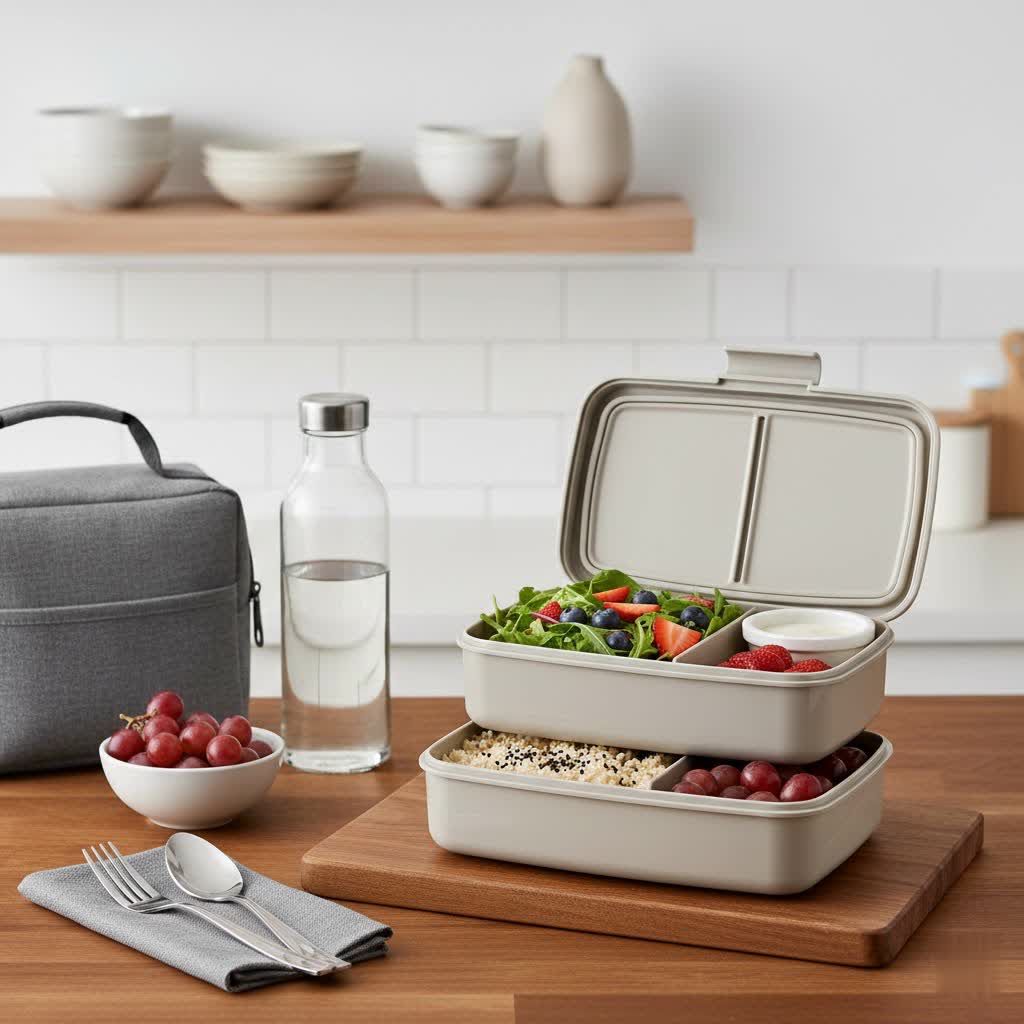
Are you tired of sad, squished sandwiches and lukewarm leftovers? A reliable Lunch Box is far more than just a container; it’s an essential tool for maintaining healthy eating habits, saving money, and embracing a more sustainable lifestyle. For over a decade, I’ve delved into the world of kitchenware, specifically lunch boxes, testing hundreds to understand their true strengths and weaknesses—from innovative materials and clever designs to practical features. Join me as we explore the diverse universe of lunch boxes and find your ideal mealtime partner.
What is a Lunch Box?
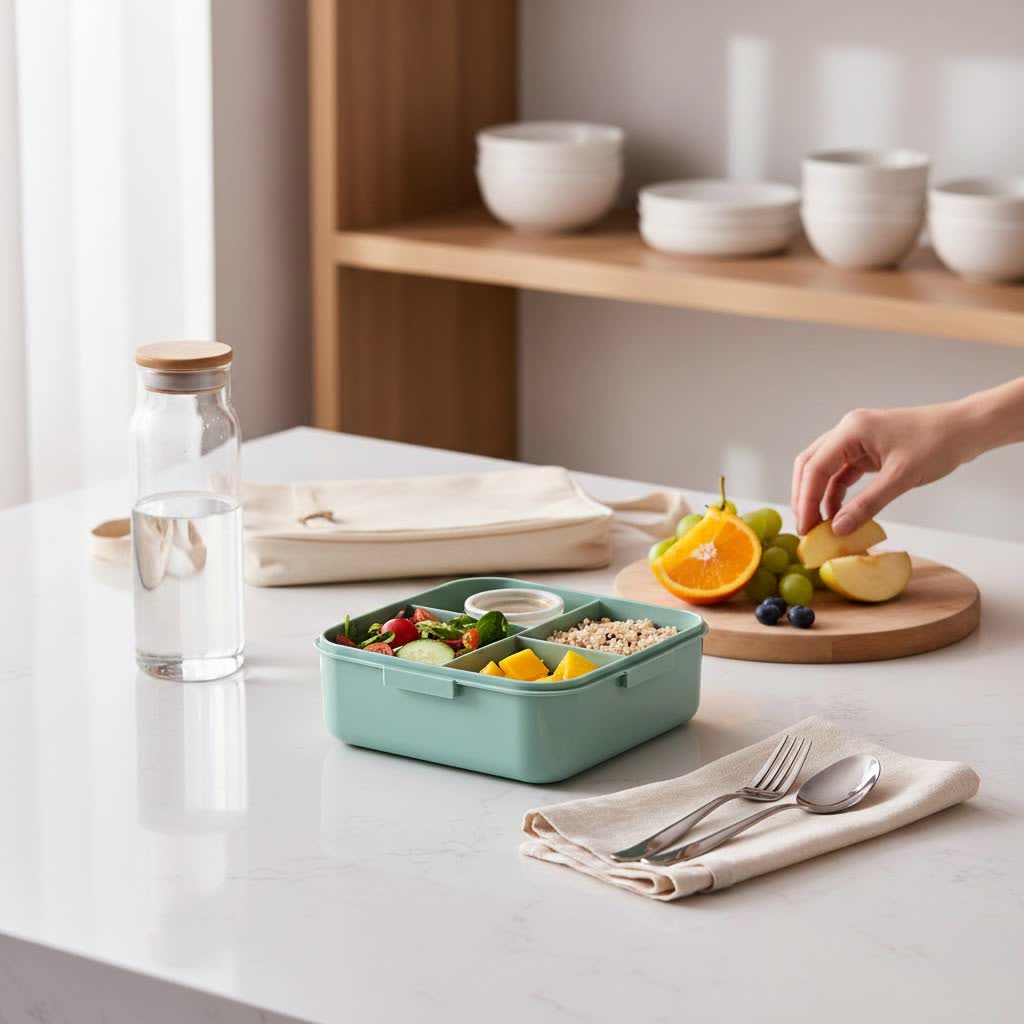
At its core, a lunch box is a portable container designed to carry food, typically for consumption away from home. While modern designs boast advanced features and materials, the concept has a rich history, evolving from simple tins and pails to the sophisticated, multi-compartment systems we see today. Culturally, it’s known by various names, such as “tiffin” in many parts of the world, highlighting its universal role in daily life. Today, lunch boxes come in an astonishing array of styles, tailored for diverse needs, from children’s school meals to professional office lunches and outdoor adventures.
Why Should You Use a Lunch Box?
Bringing your own meals in a lunch box offers a myriad of benefits that extend beyond mere convenience. It’s a conscious choice that impacts your wallet, your health, and the planet.
- Cost Savings: Eating out regularly can quickly deplete your budget. Packing your lunch from home is a simple, effective way to significantly cut down on daily expenses, allowing you to allocate funds to other priorities.
- Nutritional Control: When you pack your own lunch, you have complete oversight of ingredients, portion sizes, and preparation methods. This enables you to make healthier choices, avoid unwanted additives, and tailor meals to specific dietary needs or preferences.
- Environmental Protection: Opting for a reusable lunch box drastically reduces reliance on single-use plastics and disposable packaging. This small change contributes to minimizing landfill waste and lowering your personal environmental footprint.
- Convenience and Flexibility: A well-chosen lunch box means fresh, delicious food is always within reach, wherever your day takes you. Whether you need a warm meal at the office or a chilled snack on a hike, the right lunch box provides unparalleled flexibility.
Popular Types of Lunch Boxes on the Market
The vast selection of lunch boxes available can be overwhelming, but understanding the primary types based on material, design, and function can help narrow your choice.
Classification by Material
The material of your lunch box dictates much about its durability, safety, and functionality.
- Plastic Lunch Boxes:
- Pros: Plastic lunch boxes are exceptionally lightweight, making them easy to carry for both children and adults. They are generally the most affordable option and come in a vast array of colors, shapes, and sizes, offering great versatility. High-quality polypropylene (PP) plastics are often microwave-safe and BPA-free.
- Cons: Not all plastics are created equal; some may contain harmful chemicals like BPA, which can leach into food, especially when heated. They are typically less durable than metal or glass and can retain odors and stains over time, requiring more frequent replacement. Plastic is also less eco-friendly due to its non-biodegradable nature.
- Stainless Steel Lunch Boxes:
- Pros: Renowned for their exceptional durability and hygienic properties, stainless steel lunch boxes are a long-lasting, eco-friendly choice. They are non-toxic, rust-resistant, and do not absorb food odors or stains, making them easy to clean. Many stainless steel boxes are designed to be leak-resistant and can keep food fresh for extended periods.
- Cons: Stainless steel is typically heavier than plastic, which might be a consideration for those prioritizing extreme portability. While some specific designs are microwave-safe, most traditional stainless steel lunch boxes cannot be used in a microwave due to their metal composition.
- Glass Lunch Boxes:
- Pros: Glass offers superior food safety, being non-toxic, non-reactive, and completely free from harmful chemicals like BPA. It doesn’t retain odors or stains, ensuring your food tastes as it should. Glass containers are ideal for reheating meals, as most are microwave and oven-safe, providing great convenience.
- Cons: The primary drawback of glass is its fragility; it can break or crack if dropped, making it less suitable for very young children or rugged commutes. It is also considerably heavier than plastic and often comes in single-compartment designs, limiting meal separation.
- Insulated Lunch Boxes (Often Soft-Sided or with Inserts):
- Pros: Insulated lunch boxes, typically made from fabric like nylon or polyester with thermal linings, excel at maintaining food temperatures, whether hot or cold, for several hours. This is crucial for food safety and enjoyment, allowing for a wider variety of meal options like soups, salads, and chilled desserts. They are often durable and versatile for different environments.
- Cons: These can be bulkier than standard containers, which might be a factor if bag space is limited. While often a worthwhile investment, insulated lunch boxes are generally more expensive due to their specialized temperature-control features.
|
Our Picks for the Best Lunch Box in 2026
We may earn a commission when you use one of our links to make a purchase.
|
||
| Num | Product | Action |
|---|---|---|
| 1 | Lunch Bag Women Girls Boys Kids Lunch Box for Men School Work Picnic Travel, Large Insulated Lunch Tote Bags for Food Container Cooler with Water Bottle Holder Handheld Shoulder Strap Black A |

|
| 2 | Bento Box Adult Lunch Box, Containers for Adults Men Women with 4 Compartments, Lunchable Food Container with Utensils, Sauce Jar, Muffin Liners, 40 Oz/5 Cup, Microwave & Dishwasher Safe, Brown |
|
| 3 | Carhartt Camping Cooler, Worksite Lunchbox, Soft Shell Lunch Bag for Construction Sites, Work and Everyday Use, Black |
|
| 4 | Lifewit Medium Lunch Bag Insulated Lunch Box Soft Cooler Cooling Tote for Adult Men Women, Dark Green 12-Can (9L) |
|
| 5 | Lifewit Medium Lunch Bag Insulated Lunch Box Soft Cooler Cooling Tote for Adult Men Women, Burgundy 12-Can (9L) |
|
| 6 | Lifewit Medium Lunch Bag Insulated Lunch Box Soft Cooler Cooling Tote for Adult Men Women, Black 12-Can (9L) |
|
| 7 | DUPASU Electric Lunch Box Food Warmer: 100W Heated Lunch Box for Adults, 1.8L Portable Fast Heating Lunchbox Food Heater for Car, Truck, Work, Travel, Lonchera Elctrica Porttil 12/24V/110-230V |
|
| 8 | Lifewit Medium Lunch Bag Insulated Lunch Box Soft Cooler Cooling Tote for Adult Men Women, Gray 12-Can (9L) |
|
| 9 | Lifewit Large Lunch Bag Insulated Lunch Box Soft Cooler Cooling Tote for Adult Men Women, Dark Blue 12-Can (9L) |
|
| 10 | Lifewit Medium Lunch Bag Insulated Lunch Box Soft Cooler Cooling Tote for Adult Men Women, Dark Gray 12-Can (9L) |
|
Classification by Design and Function
Beyond material, lunch boxes are categorized by their structural layout and specialized capabilities.
- Single-Compartment Lunch Boxes: These simple designs offer maximum space for larger items or mixed meals, providing straightforward packing.
- Multi-Compartment (Bento) Lunch Boxes: Inspired by Japanese bento traditions, these boxes feature multiple dividers or removable containers, allowing for organized packing of diverse foods while preventing flavors from mingling. They are excellent for portion control and creating visually appealing meals.
- Leak-Proof Designs: Essential for liquid-rich foods like soups, sauces, or yogurts, these feature secure seals (often silicone-lined) to prevent spills and messes in your bag.
- With Handles or Straps: Portability is key, and many lunch boxes come with comfortable top handles or adjustable shoulder straps, making them easier to carry, especially for commuters who need their hands free.
- Microwave and Oven Safe: While most plastic (PP) and glass options allow for direct reheating, specialized stainless steel lunch boxes with particular coatings also offer microwave compatibility, broadening your meal prep possibilities.
- Heated Lunch Boxes: Some advanced models include electric heating elements, allowing you to warm your meal without a microwave, perfect for on-the-go hot lunches.
Comparing Popular Lunch Box Types
Here’s a quick overview comparing the main types of lunch box materials and their key attributes:
| Feature | Plastic Lunch Box | Stainless Steel Lunch Box | Glass Lunch Box | Insulated Lunch Box (Soft-Sided) |
|---|---|---|---|---|
| Material | Polypropylene (PP), various plastics | Food-grade stainless steel (e.g., 304) | Borosilicate glass | Nylon, Polyester with thermal lining |
| Durability | Moderate; prone to wear, scratches, odors | High; nearly indestructible, rust-resistant | Moderate to high; can break if dropped | High; fabric can show wear over time, robust insulation |
| Weight | Very Lightweight | Moderate to Heavy | Heavy | Lightweight (bag itself) |
| Microwave Safe | Often (check for “microwave safe” and BPA-free) | Rarely (unless specially coated) | Yes | No (contains metal, typically) |
| Dishwasher Safe | Often (top-rack recommended) | Yes | Yes | Typically hand-wash/spot clean interior |
| Temperature Retention | Minimal | Minimal (unless insulated design) | Minimal | High (keeps food hot or cold for hours) |
| Leak-Proof | Varies by design, seals can degrade | Often, with good seals | Often, with good seals | Varies, usually with inner containers; outer bag may not |
| Eco-Friendly | Low (can shed microplastics, disposal issues) | High (reusable, recyclable) | High (reusable, recyclable) | Moderate (reusable, but material disposal varies) |
| Price | Low | Medium to High | Medium to High | Medium to High |
Expert Tips for Choosing the Right Lunch Box
Selecting the perfect lunch box requires a thoughtful assessment of your lifestyle, preferences, and daily routine. As someone with extensive experience, I recommend considering these key factors:
Determine Your Usage Needs
Before anything else, identify how and where you’ll be using your lunch box.
- What type of food will you pack? If you often carry liquids like soups or curries, leak-proof seals are paramount. For sandwiches and snacks, simpler compartments might suffice.
- What capacity do you need? A small, compact box is perfect for a light snack, while a larger, multi-compartment design is better for full meals or for those with heartier appetites. Consider whether you need to separate different food items.
- What features are essential? Do you need to keep food hot or cold for extended periods, necessitating an insulated design or a thermos? Will you need to reheat your meal, requiring a microwave-safe material like glass or specific plastics?
Prioritize Safe and Healthy Materials
Your health should always be a top concern. Opt for materials that are certified food-grade and free from harmful chemicals.
- BPA-Free is a Must: Ensure any plastic components are explicitly labeled “BPA-free” to avoid potential chemical exposure.
- Inert Materials: Stainless steel and glass are excellent choices as they are non-reactive and won’t leach substances into your food, even with acidic or hot meals. Always check for quality certifications.
Choose a Convenient and Practical Design
A great lunch box simplifies your routine, not complicates it.
- Ease of Use: Look for latches or lids that are easy to open and close, especially if children will be using them independently.
- Simple to Clean: Dishwasher-safe components can be a huge time-saver. If hand-washing is required, ensure the design is smooth, without hard-to-reach crevices where food can get trapped.
- Portability: Consider the overall weight and how you’ll carry it. Shoulder straps are ideal for hands-free commuting, while compact, soft-sided bags might fit better into a larger tote or backpack.
- Aesthetic Appeal: While secondary to function, a lunch box that you genuinely enjoy looking at can add a touch of personal style and make mealtime more enjoyable.
Consult User Reviews and Expert Opinions
Real-world feedback is invaluable. Before making a purchase, take the time to read reviews from other users on various platforms. These insights can highlight practical issues, durability concerns, or unexpected benefits that might not be apparent from product descriptions alone. Look for consistent praise regarding insulation, leak-proofing, and ease of cleaning.
Top 7 Lunch Boxes for Every Need
Based on rigorous testing and user feedback, here are some of the most highly-rated lunch boxes currently available, catering to different preferences and needs:
- Carhartt Deluxe Lunch Cooler Bag: Ideal for those needing robust insulation and ample space. This bag features two insulated compartments, perfect for separating soft items from heavier containers, and a comfortable shoulder strap for easy transport.
- Hydro Flask Large Insulated Lunch Box: A durable, hard-plastic-lined option that’s easy to clean and maintains optimal food temperature for hours. Its structured shape prevents squishing, though its size might not fit smaller bags.
- Yeti Daytrip Lunch Bag: A premium, rigid softshell option known for exceptional insulation and durability. While a splurge, it’s waterproof, lightweight, and can collapse flat when empty, making it a versatile cooler or lunch bag.
- SUNNY BIRD Insulated Lunch Bag: An excellent compact and lightweight choice with three-layered foil insulation and a roll-top design. It fits easily into larger bags and can flatten for storage, making it perfect for everyday commutes.
- Bentgo MicroSteel Lunch Box: A top-tier bento box made from stainless steel, featuring a movable partition for customizable compartments. It’s leak-proof, odor-resistant, and dishwasher-safe (top-shelf for the lid).
- Frank Green Lunch Container: Made from 90% post-consumer recycled stainless steel with premium silicone lids, this stylish container offers spacious, leak-resistant compartments and includes microwave-safe internal polypropylene containers.
- Omiebox Up: A bento-style lunch box that cleverly combines hot and cold storage. It includes a 12-ounce thermos for warm foods and a separate compartment with an ice pack for chilled items, offering maximum versatility for varied meals.
How to Properly Clean and Maintain Your Lunch Box
Proper care and maintenance are crucial for extending the lifespan of your lunch box and ensuring food safety. While specific instructions vary by product and material, here are some general guidelines:
- Daily Cleaning: For most lunch boxes, hand-washing with mild soap and warm water is recommended after each use. Pay close attention to seals, zippers, and crevices where food particles can accumulate.
- Dishwasher Safety: Always check the manufacturer’s label. While many stainless steel and glass containers are dishwasher-safe, plastic components and insulated fabric bags often require hand-washing to preserve their integrity and seals.
- Air Drying: Allow all components to air dry completely before reassembling and storing. This prevents the growth of mold and mildew, which can lead to unpleasant odors and compromise hygiene.
- Deep Cleaning: Periodically, a deeper clean might be necessary. For stubborn odors, a mixture of baking soda and water can be effective. For fabric bags, spot cleaning with a damp cloth and mild detergent is usually best.
- Storage: Store your lunch box in a dry, well-ventilated area, preferably with the lid slightly ajar to allow for air circulation and prevent any residual moisture from getting trapped.
“A quality lunch box is an investment in your health, your finances, and the environment. Choosing wisely means enjoying fresh, safe meals every day.” – Admin, ReviewPromos.com
Conclusion
Choosing the right lunch box can significantly enhance your daily routine, offering benefits that ripple through your health, finances, and environmental impact. From the robust durability of stainless steel to the microwave convenience of glass, and the temperature control of insulated bags, there’s a perfect match for every need and lifestyle. By considering material, design, and practical features, you can confidently select a lunch box that not only keeps your meals fresh and secure but also serves as a reliable companion for years to come.
What’s the one feature you absolutely can’t live without in your ideal lunch box?
Frequently Asked Questions
What is the healthiest lunch box material?
Stainless steel and glass are widely considered the healthiest lunch box materials. They are non-toxic, non-reactive, and do not leach chemicals into food, making them safe and hygienic choices for everyday use.
Can all lunch boxes keep food warm?
No, not all lunch boxes are designed to keep food warm. Only insulated lunch boxes or those with specific thermos inserts are capable of maintaining food temperatures, whether hot or cold, for several hours.
Are bento boxes good for picky eaters?
Yes, bento boxes are often excellent for picky eaters because their multiple compartments allow for foods to be kept separate. This prevents different items from touching or mixing, which can be a common aversion for picky eaters, encouraging them to try a wider variety of foods.
How often should I replace my plastic lunch box?
It’s generally recommended to inspect plastic lunch boxes regularly and replace them if they show signs of wear, such as scratches, cracks, discoloration, or persistent odors. These signs can indicate material degradation, which may affect hygiene and food safety.
What features should I look for in a lunch box for a commuter?
For a commuter, key features include good insulation to keep food fresh, a secure leak-proof seal to prevent spills in transit, and convenient carrying options like a comfortable shoulder strap for hands-free transport. Compact size and durability are also highly beneficial.