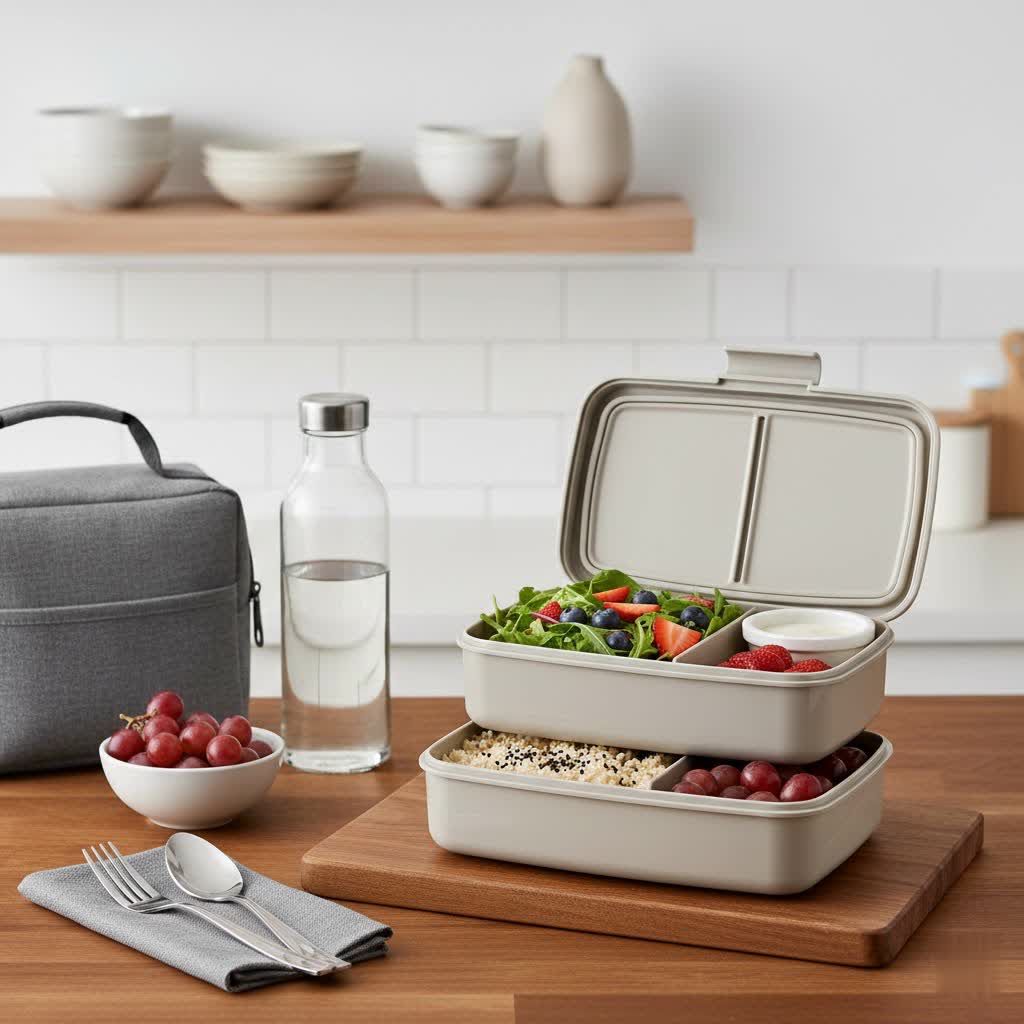
Do you ever find yourself rushing out the door, grabbing a quick, often unhealthy, lunch, or simply tired of stained plastic containers that never seem truly clean? Finding the right lunch box can transform your daily routine, offering a healthier, more economical, and environmentally friendly way to enjoy your meals. For over a decade, I’ve immersed myself in kitchenware, particularly lunch containers, testing hundreds of products. Among the many options, Glass Lunch Boxes consistently stand out as a superior choice. This comprehensive guide will explore why glass lunch boxes are becoming indispensable for modern lifestyles, helping you choose the perfect companion for your midday meal.
What is a Lunch Box?
A lunch box, at its core, is a portable container designed to carry food. From simple tins carried by laborers in the 19th century to the character-emblazoned boxes of childhood, and now sophisticated meal prep solutions, the lunch box has evolved significantly. Historically, these containers were about practicality and preserving food for short periods. Today, they’ve become an extension of our health, environmental consciousness, and personal style. Modern lunch boxes come in various forms, primarily differentiated by their material, design, and specific functionalities, with glass emerging as a premium and health-conscious option.
Why Use a Lunch Box?
Bringing your own lunch offers a multitude of benefits that extend beyond mere convenience:
- Cost Savings: Eating out regularly can significantly impact your budget. Packing meals from home is a simple yet effective way to save money, often resulting in substantial savings over time.
- Nutrition Control: When you prepare your own food, you control the ingredients, portion sizes, and cooking methods. This allows for healthier eating, free from excessive salts, sugars, and unhealthy fats often found in takeout.
- Environmental Protection: Opting for a reusable lunch box drastically reduces your reliance on single-use plastic containers, bags, and cutlery, contributing to a significant decrease in waste and your carbon footprint.
- Convenience and Flexibility: A good lunch box makes meal prep easy, allowing you to plan healthy meals for the week. It offers the flexibility to enjoy homemade food anywhere—at work, school, or during outdoor activities.
Popular Types of Lunch Boxes on the Market
The market offers a diverse array of lunch boxes, each with unique characteristics. Understanding these differences, especially concerning materials, is key to making an informed choice.
Classification by Material
The material of your lunch box dictates many of its properties, from safety to durability.
- Plastic Lunch Boxes:
- Pros: Lightweight, inexpensive, and generally resistant to drops. Many are available in various colors and designs.
- Cons: Can leach harmful chemicals like BPA and phthalates into food, especially when heated or exposed to acidic/oily foods. Prone to staining (e.g., from tomato sauce) and retaining odors over time. Can warp in microwaves or dishwashers if not specifically designed for it.
- Stainless Steel Lunch Boxes:
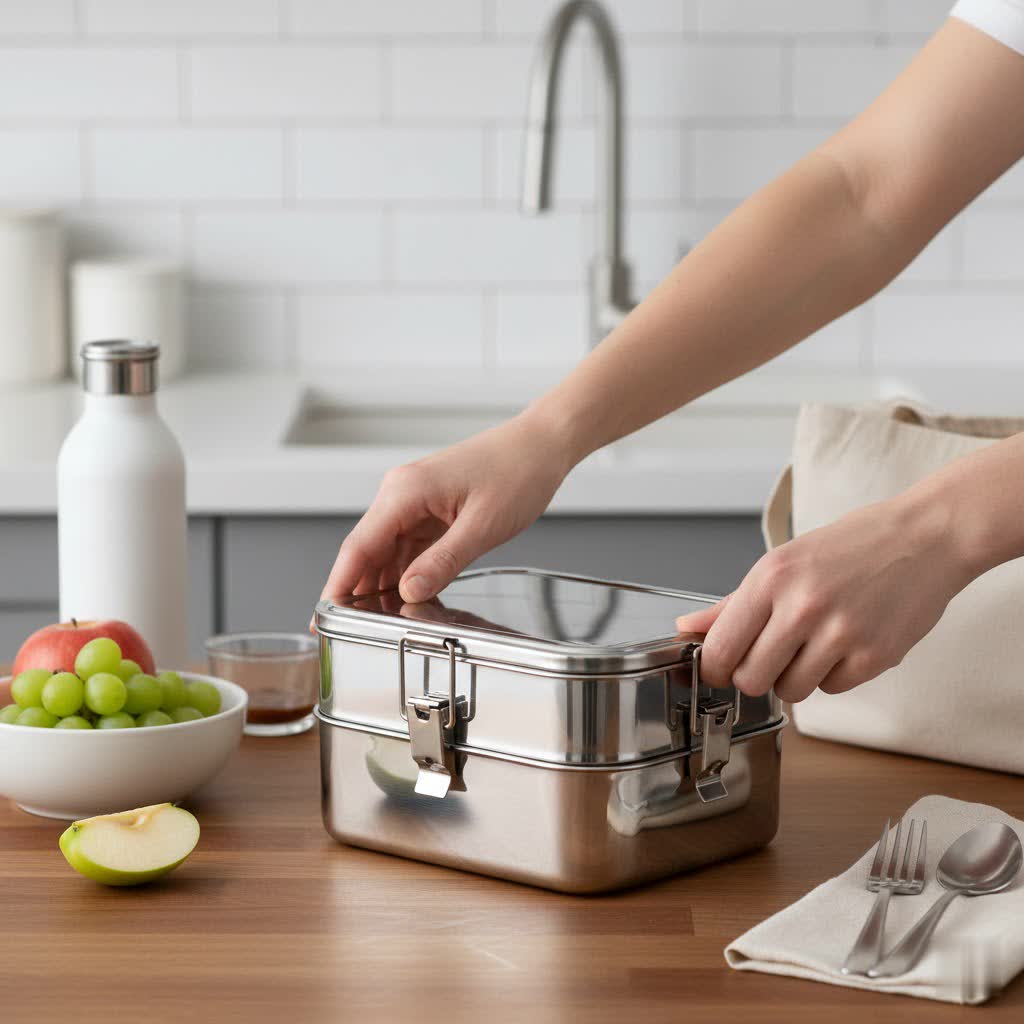
- Pros: Highly durable, rust-proof, non-toxic, and resistant to stains and odors. Lightweight compared to glass and great for active lifestyles.
- Cons: Cannot be used in microwaves. Opaque nature means you can’t see the contents without opening it. Some may not be entirely leak-proof without a silicone seal.
- Glass Lunch Boxes (Borosilicate/Tempered):
- Pros: Considered the safest material for food storage as it’s non-toxic, chemically inert, and won’t leach chemicals into your food, even when heated. Non-porous surface resists stains and odors, ensuring a fresh taste every time. Most are microwave-safe, oven-safe (without lid), and dishwasher-safe, offering unmatched versatility for heating and cleaning. Transparent, allowing you to easily identify contents.
- Cons: Heavier than plastic or stainless steel, which can be a consideration for portability. More fragile and susceptible to breakage if dropped, though tempered or borosilicate glass offers enhanced durability and thermal shock resistance. Lids are often made of plastic or silicone, which, while BPA-free, still require careful cleaning to prevent mold buildup.
- Insulated Lunch Boxes: These are typically fabric bags designed to hold lunch containers, often featuring thermal lining to keep food hot or cold. While not a material for the container itself, they are a common accessory, especially for glass lunch boxes, to maintain food temperature and provide extra protection.
|
Our Picks for the Best Lunch Box in 2026
We may earn a commission when you use one of our links to make a purchase.
|
||
| Num | Product | Action |
|---|---|---|
| 1 | Lifewit Medium Lunch Bag Insulated Lunch Box Soft Cooler Cooling Tote for Adult Men Women, Gray 12-Can (9L) |

|
| 2 | Lifewit Medium Lunch Bag Insulated Lunch Box Soft Cooler Cooling Tote for Adult Men Women, Dark Green 12-Can (9L) |
|
| 3 | DUPASU Electric Lunch Box Food Warmer: 100W Heated Lunch Box for Adults, 1.8L Portable Fast Heating Lunchbox Food Heater for Car, Truck, Work, Travel, Lonchera Elctrica Porttil 12/24V/110-230V |
|
| 4 | Carhartt Camping Cooler, Worksite Lunchbox, Soft Shell Lunch Bag for Construction Sites, Work and Everyday Use, Black |
|
| 5 | Lifewit Medium Lunch Bag Insulated Lunch Box Soft Cooler Cooling Tote for Adult Men Women, Dark Gray 12-Can (9L) |
|
| 6 | Lifewit Large Lunch Bag Insulated Lunch Box Soft Cooler Cooling Tote for Adult Men Women, Dark Blue 12-Can (9L) |
|
| 7 | Lifewit Medium Lunch Bag Insulated Lunch Box Soft Cooler Cooling Tote for Adult Men Women, Burgundy 12-Can (9L) |
|
| 8 | Bento Box Adult Lunch Box, Containers for Adults Men Women with 4 Compartments, Lunchable Food Container with Utensils, Sauce Jar, Muffin Liners, 40 Oz/5 Cup, Microwave & Dishwasher Safe, Brown |
|
| 9 | Lunch Bag Women Girls Boys Kids Lunch Box for Men School Work Picnic Travel, Large Insulated Lunch Tote Bags for Food Container Cooler with Water Bottle Holder Handheld Shoulder Strap Black A |
|
| 10 | Lifewit Medium Lunch Bag Insulated Lunch Box Soft Cooler Cooling Tote for Adult Men Women, Black 12-Can (9L) |
|
Classification by Design
Beyond material, design plays a crucial role in a lunch box’s functionality and user experience.
- Single Compartment: Simple, spacious designs ideal for larger meals, salads, or main dishes.
- Multi-Compartment (Bento-style): Features dividers to separate different food items, preventing them from mixing. While common in plastic and stainless steel, achieving truly leak-proof compartments in glass can be challenging, meaning some internal dividers might not prevent liquids from mingling.
- Airtight Lids: Most modern lunch boxes, especially glass ones, feature airtight and leak-proof lids, often with silicone gaskets and snap-locking mechanisms, crucial for preventing spills and keeping food fresh.
- With Handles or Carry Bags: Some designs integrate handles, while others are sold with custom-fitted insulated carry bags for enhanced portability and thermal retention.
Classification by Function
The function you need most from your lunch box will guide your choice.
- Heating: Glass lunch boxes excel here, being universally microwave-safe and often oven-safe (without the lid), allowing for convenient reheating.
- Insulation: While glass itself isn’t insulating, placing a glass container in an insulated lunch bag can keep food warm or cool for several hours.
- Leak-Proof/Spill-Proof: Essential for transporting liquids like soups or sauces, most quality glass lunch boxes feature robust sealing mechanisms.
- Freezer Safe: Glass containers are excellent for freezing meals, resisting freezer burn and making future meal prep a breeze.
- Dishwasher Safe: The majority of glass containers are dishwasher safe, simplifying cleanup.
Comparison Table of Lunch Box Types
Here’s a detailed comparison to help you weigh your options:
| Feature | Plastic Lunch Box | Stainless Steel Lunch Box | Glass Lunch Box (Borosilicate/Tempered) |
|---|---|---|---|
| Safety (Chemicals) | Can leach BPA/Phthalates, especially with heat/acid | Non-toxic, chemically inert | Non-toxic, chemically inert (Superior) |
| Durability | Resistant to drops, prone to scratches/warping | Highly durable, scratch-resistant | Fragile (risk of shattering), scratch-resistant |
| Heat Resistance | Limited, can warp, leach chemicals | Not microwave/oven safe | Microwave, Oven, Freezer safe (Superior) |
| Stain/Odor Res. | Prone to stains & odors | Highly resistant to stains & odors | Highly resistant to stains & odors (Superior) |
| Transparency | Often translucent/opaque | Opaque | Transparent (Superior) |
| Weight | Lightweight | Lightweight | Heavy |
| Price | Low | Moderate to High | Moderate to High |
| Eco-Impact | Less sustainable (non-biodegradable) | Highly recyclable, long-lasting | Highly recyclable, long-lasting |
> “Glass is the unequivocal champion for food storage, offering unparalleled chemical inertness and maintaining food purity, especially when heat is involved.” – ReviewPromos.com Admin, Kitchenware Expert
Tips for Choosing the Right Glass Lunch Box
Selecting the ideal glass lunch box involves a thoughtful consideration of your individual needs and preferences.
Determine Usage Needs
Before you buy, ask yourself:
- What kind of food will you store? Liquids (soups, stews) demand truly leak-proof seals, while multi-course meals might benefit from compartments.
- What capacity do you need? Consider your typical meal size. Are you packing a light snack or a hearty main course with sides?
- Which features are essential? Do you regularly reheat food in a microwave or oven? Is portability a top priority? Do you need true compartmentalization?
Choose Safe Materials
Prioritize glass made from borosilicate glass, which is known for its superior resistance to thermal shock, making it safer for transitions from freezer to oven/microwave. Always verify that lids, especially plastic ones, are BPA-free and made from food-grade materials. Silicone seals are generally safe but ensure they are easy to remove and clean to prevent bacterial growth.
Select a Convenient Design
- Ease of Use: Look for lids that are easy to snap open and close, yet provide a secure seal.
- Cleaning: Opt for designs that are easy to clean, ideally dishwasher-safe for both the glass base and the lid (or at least the glass base). Removable silicone gaskets facilitate thorough cleaning.
- Portability: While glass is heavier, features like integrated handles or included insulated carry bags can enhance convenience. Consider stackable designs for efficient storage.
- Aesthetics: A visually appealing lunch box can make your meal experience more enjoyable.
Consult User Reviews
Reading reviews from other users provides invaluable real-world insights into product performance, durability, and any potential issues. Pay attention to comments regarding leak-proof claims, lid functionality, and long-term durability.
Top 5 Glass Lunch Boxes for Healthy Eating
Based on extensive testing and user feedback, here are some highly-rated glass lunch boxes that combine safety, convenience, and durability:
- Pyrex Simply Store Glass Food Storage Container Set: A consistent favorite, Pyrex offers robust tempered glass containers known for their durability and versatility. They are oven, microwave, freezer, and dishwasher safe, and their BPA-free plastic lids provide a secure seal, though some sets now offer glass lids with silicone rims for a plastic-free experience.
- Glasslock Assorted Oven Safe Container Set: Glasslock is praised for its strong, tempered glass construction and snap-lock lids with silicone seals, ensuring excellent airtightness and leak-proof performance. They are oven-safe and come in a wide range of sizes and shapes, making them versatile for various meal prep needs.
- Bentgo Glass Lunch Container: Ideal for meal prep, Bentgo offers compartmentalized glass containers made from premium, non-porous glass that resists stains and odors. Their airtight, leak-proof design is great for keeping food separated and fresh, though the compartments may not be liquid-tight between each other.
- OXO Good Grips Smart Seal Glass Container Set: These containers are known for their reliable leak-proof seals and durable borosilicate glass construction. They are freezer, oven, and microwave safe, and their smart seal lids are designed for easy cleaning.
- Rubbermaid Brilliance Glass Food Storage Containers: Valued for their exceptional clarity and leak-proof design, Rubbermaid Brilliance glass containers are made from tempered glass that is stain and odor resistant. The latches are easy to open and close, providing a tight seal for both solids and liquids.
How to Clean and Maintain Your Glass Lunch Box
Proper care is crucial to maximize the lifespan and hygiene of your glass lunch box.
- Dishwasher Use: Most glass bases are dishwasher safe. However, always check manufacturer instructions for lids. Many plastic or silicone lids should be hand-washed to prevent warping or degradation of the seal.
- Hand Washing: For lids and silicone gaskets, use warm, soapy water. Pay special attention to the grooves and seals where food particles or moisture can accumulate.
- Preventing Mold: Remove silicone gaskets periodically for thorough cleaning and ensure they are completely dry before reattaching. This prevents mold and mildew buildup, which can compromise hygiene and effectiveness.
- Avoiding Thermal Shock: While borosilicate glass is highly resistant, rapid temperature changes can still pose a risk for some glass types. Avoid moving containers directly from a very hot oven to cold water, or vice versa, if not explicitly stated as safe by the manufacturer.
- Storage: Store containers with lids slightly ajar or removed to allow air circulation and prevent lingering odors or moisture.
Conclusion
Choosing a glass lunch box is an investment in your health, your finances, and the planet. With their non-toxic properties, resistance to stains and odors, and exceptional versatility for reheating and cleaning, glass lunch boxes offer a superior alternative to traditional options. While their weight and fragility might require a bit more care, the benefits of enjoying fresh, uncontaminated meals far outweigh these minor considerations. By selecting a high-quality glass lunch box, you’re not just buying a container; you’re embracing a conscious lifestyle that values well-being and sustainability. So, are you ready to elevate your mealtime experience with the clear choice in food storage?
Frequently Asked Questions
Are glass lunch boxes safe for microwaves?
Yes, the glass bases of most glass lunch boxes are safe for microwave use, as they are typically made from tempered or borosilicate glass designed to withstand high temperatures. Always remove plastic or silicone lids before microwaving, as they may not be microwave-safe or could leach chemicals when heated.
Do glass lunch boxes break easily?
Glass lunch boxes are generally more fragile than plastic or stainless steel alternatives. However, many are made from tempered glass, which is significantly stronger and more resistant to breakage than standard glass. Borosilicate glass offers even greater durability and thermal shock resistance. While durable, they still require careful handling to prevent shattering if dropped.
What is borosilicate glass?
Borosilicate glass is a type of glass that contains boron trioxide, which gives it very low thermal expansion. This means it’s more resistant to thermal shock than other types of glass, making it ideal for use in ovens, microwaves, and freezers without cracking from rapid temperature changes.
Are glass lunch box lids safe?
Lids for glass lunch boxes are commonly made from BPA-free plastic or silicone. While the glass base is chemically inert, it’s crucial to ensure the lid materials are food-grade and free from harmful chemicals. Always check manufacturer specifications, and consider removing plastic lids before heating food. Silicone lids are generally considered safe for contact with food.