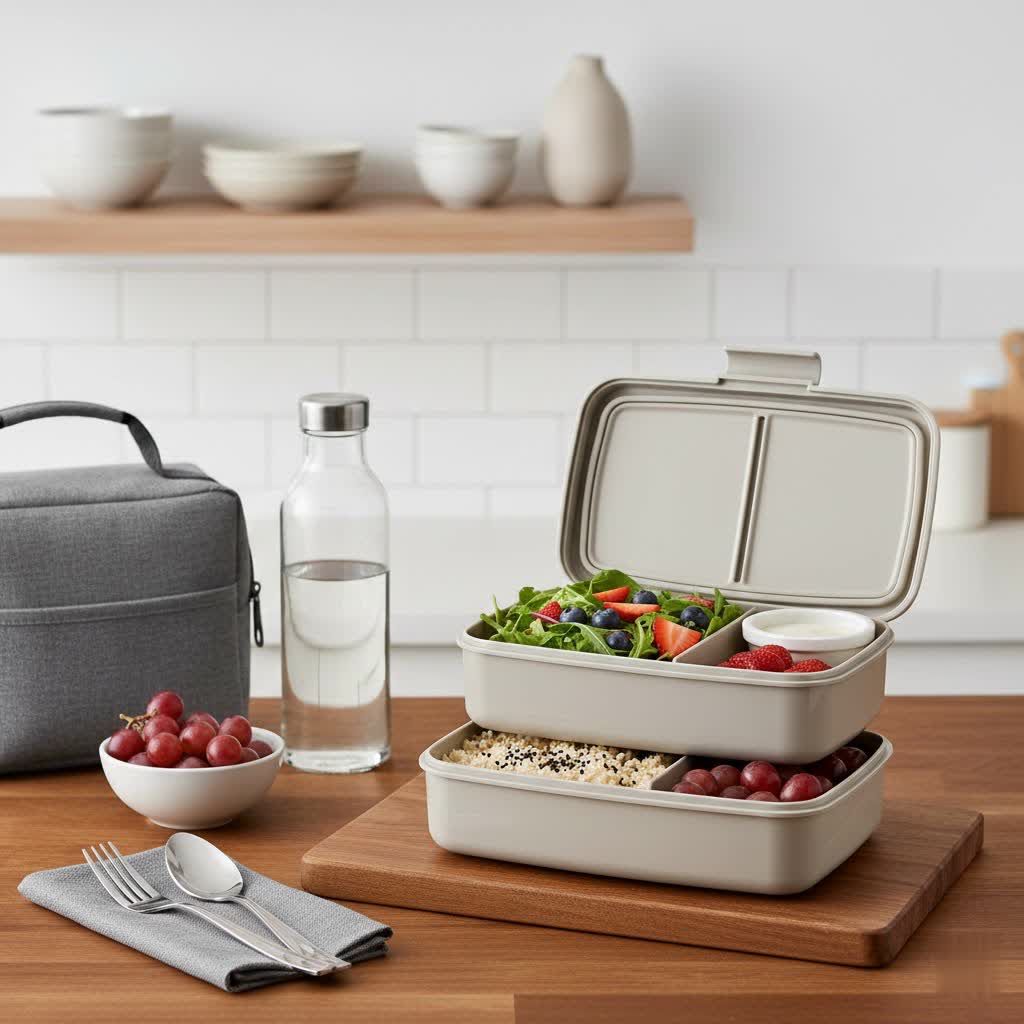
For many of us, a well-packed lunch box is more than just a container; it’s a daily ritual, a promise of a healthy meal, and a small step towards a more sustainable lifestyle. Whether you’re preparing meals for work, school, or a day out, choosing the right lunch box can significantly enhance your eating experience and simplify your routine. With over a decade of hands-on experience in kitchenware, especially lunch boxes, I’ve seen hundreds of products come and go, understanding the nuances from materials and design to practical features. This guide aims to distill that knowledge, helping you navigate the vast world of lunch boxes to find your ideal mealtime companion.
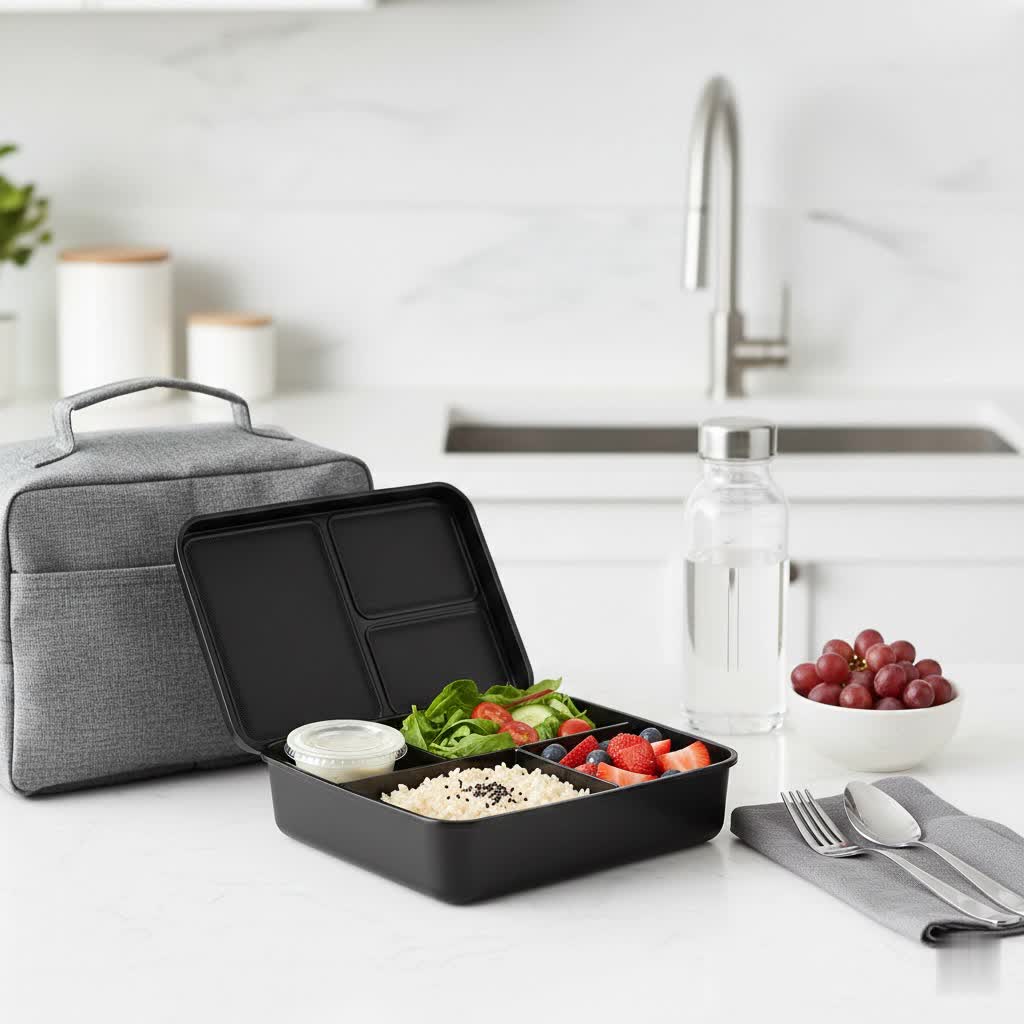
What is a Lunch Box?
At its core, a lunch box is a portable container designed to carry food. Its purpose is simple: to keep your meal fresh, protected, and ready to eat when you are. While the concept of carrying food dates back centuries, the modern lunch box, as we know it, began to take shape in the late 19th and early 20th centuries. Early versions were often basic metal pails or wooden boxes. Over time, advancements in materials and design have transformed them into sophisticated tools for meal management.
Today, lunch boxes come in an astonishing array of types, catering to every imaginable need. From simple single-compartment containers to multi-layered, insulated systems, the evolution reflects our changing lifestyles and increased focus on health, convenience, and environmental responsibility. You’ll find options for every scenario, whether you need to keep a hot meal warm, a salad crisp, or organize a bento-style feast.
Why Should You Use a Lunch Box?
Embracing the habit of packing your own lunch offers a multitude of benefits that extend beyond just convenience. It’s a decision that positively impacts your wallet, your health, and the planet.
Firstly, cost savings are substantial. Dining out daily, even for a modest lunch, adds up quickly. Packing a homemade meal can save you hundreds, if not thousands, of dollars annually, freeing up funds for other priorities.
Secondly, a lunch box provides unparalleled control over your nutrition. When you prepare your own food, you know exactly what ingredients are going into your meal. This allows you to tailor your diet to your specific health goals, whether it’s reducing sugar intake, increasing vegetable consumption, managing allergies, or adhering to a specific dietary plan. You can ensure balanced nutrition and avoid the hidden fats, salts, and calories often found in restaurant or takeout meals.
Furthermore, using a reusable lunch box is a powerful step towards environmental protection. Single-use plastics and disposable containers contribute significantly to landfill waste. By choosing a durable, reusable lunch box, you actively reduce your ecological footprint and promote sustainable habits. It’s a small change with a big impact on waste reduction.
Finally, the convenience and flexibility of a lunch box are undeniable. Your meal is ready when you are, eliminating queues, waiting times, and the need to search for nearby food options. It allows for spontaneity, letting you enjoy your lunch wherever you choose – at your desk, in a park, or on the go. Moreover, modern designs often incorporate features like leak-proofing and insulation, ensuring your food stays safe, fresh, and at the right temperature, preventing spoilage and bacterial growth.
Popular Lunch Box Types on the Market
The diversity of lunch boxes available today is vast, with innovations continually emerging to meet varying consumer needs. Understanding the different categories can help you narrow down your choices.
Classification by Material
The material of your lunch box dictates much about its performance, durability, and safety.
- Plastic Lunch Boxes: These are widely popular due to their lightweight nature, affordability, and availability in countless designs and colors. High-quality plastic lunch boxes are typically made from polypropylene (PP) and are often marked as BPA-free, signifying they are free from harmful chemicals.
- Pros: Lightweight, inexpensive, often microwave-safe (check labels), versatile designs.
- Cons: Can stain, retain odors, may degrade over time, less eco-friendly if not reusable.
- Stainless Steel Lunch Boxes: A timeless and increasingly preferred choice, stainless steel is lauded for its durability, hygiene, and resistance to rust. They do not retain food odors or stains, making them a very clean option.
- Pros: Extremely durable, non-toxic (food-grade stainless steel), easy to clean, eco-friendly, excellent for insulation (especially double-walled).
- Cons: Can be heavier than plastic, typically not microwave-safe (unless specifically designed and coated), can be more expensive upfront.
- Glass Lunch Boxes: Gaining popularity for their non-toxic and non-reactive properties, glass containers offer a premium feel and allow for easy visibility of contents.
- Pros: Non-toxic (BPA-free), microwave and oven-safe (without lid), does not retain odors or stains, easy to clean.
- Cons: Heavier and more fragile than plastic or stainless steel, not ideal for vigorous travel.
- Insulated/Thermal Lunch Boxes: Often made with stainless steel or specialized fabric layers, these are designed to maintain food temperature for extended periods. They can keep meals hot or cold.
- Pros: Keeps food at desired temperature, ideal for diverse meals (soups, salads), prevents bacterial growth.
- Cons: Can be bulky, sometimes heavier, may require hand washing for fabric versions.
- Silicone Lunch Boxes: Flexible and often collapsible, silicone is a durable, non-toxic material that’s great for snacks and lighter meals.
- Pros: Lightweight, flexible, often microwave and dishwasher safe, easy to store when empty.
- Cons: May lack rigid structure for full meals, can sometimes absorb strong odors over time.
|
Our Picks for the Best Lunch Box in 2026
We may earn a commission when you use one of our links to make a purchase.
|
||
| Num | Product | Action |
|---|---|---|
| 1 | Bento Box Adult Lunch Box, Containers for Adults Men Women with 4 Compartments, Lunchable Food Container with Utensils, Sauce Jar, Muffin Liners, 40 Oz/5 Cup, Microwave & Dishwasher Safe, Brown |

|
| 2 | Lifewit Medium Lunch Bag Insulated Lunch Box Soft Cooler Cooling Tote for Adult Men Women, Dark Gray 12-Can (9L) |
|
| 3 | Lifewit Medium Lunch Bag Insulated Lunch Box Soft Cooler Cooling Tote for Adult Men Women, Dark Green 12-Can (9L) |
|
| 4 | Carhartt Camping Cooler, Worksite Lunchbox, Soft Shell Lunch Bag for Construction Sites, Work and Everyday Use, Black |
|
| 5 | Lifewit Large Lunch Bag Insulated Lunch Box Soft Cooler Cooling Tote for Adult Men Women, Dark Blue 12-Can (9L) |
|
| 6 | Lifewit Medium Lunch Bag Insulated Lunch Box Soft Cooler Cooling Tote for Adult Men Women, Gray 12-Can (9L) |
|
| 7 | Lifewit Medium Lunch Bag Insulated Lunch Box Soft Cooler Cooling Tote for Adult Men Women, Burgundy 12-Can (9L) |
|
| 8 | Lunch Bag Women Girls Boys Kids Lunch Box for Men School Work Picnic Travel, Large Insulated Lunch Tote Bags for Food Container Cooler with Water Bottle Holder Handheld Shoulder Strap Black A |
|
| 9 | Lifewit Medium Lunch Bag Insulated Lunch Box Soft Cooler Cooling Tote for Adult Men Women, Black 12-Can (9L) |
|
| 10 | DUPASU Electric Lunch Box Food Warmer: 100W Heated Lunch Box for Adults, 1.8L Portable Fast Heating Lunchbox Food Heater for Car, Truck, Work, Travel, Lonchera Elctrica Porttil 12/24V/110-230V |
|
Classification by Design
Beyond materials, design plays a crucial role in how a lunch box functions in your daily life.
- Single-Compartment Lunch Boxes: These are simple, open containers ideal for single-item meals like sandwiches, large salads, or pasta. They offer maximum space for one type of food.
- Multi-Compartment Lunch Boxes (Bento Style): Inspired by Japanese bento boxes, these feature integrated dividers or removable sections to keep different food items separate. They promote balanced eating by allowing you to pack a variety of foods without mixing flavors or textures.
- Lunch Boxes with Secure/Leak-Proof Lids: Essential for carrying liquids, sauces, or moist foods without the worry of spills. These often feature silicone seals and locking clasps to create a tight, airtight, and leak-proof barrier.
- Lunch Boxes with Handles or Straps: Designed for easy portability, these range from built-in handles on the container itself to carrying bags with shoulder straps, making transport comfortable, especially for larger or heavier lunch boxes.
Classification by Function
Some lunch boxes offer specialized functions to meet particular needs.
- Heated/Electric Lunch Boxes: These innovative lunch boxes allow you to warm your meal directly in the container, often by plugging it into a power source (AC outlet or car adapter). They are perfect for those who prefer hot meals without access to a microwave.
- Microwave-Safe Lunch Boxes: Designed to withstand microwave heat, these are typically made from certain plastics or glass, offering convenience for reheating leftovers. Always check manufacturer instructions.
- Freezer-Safe Lunch Boxes: Suitable for meal prepping, these containers can go directly from the freezer to the microwave (or oven, depending on material), simplifying your weekly food routine.
- Dishwasher-Safe Lunch Boxes: A major time-saver, these are designed to withstand the rigors of a dishwasher, making cleanup effortless. Again, always refer to care instructions.
Comparing Lunch Box Types
To help you make an informed decision, here’s a comparison of common lunch box types based on various criteria.
| Feature | Plastic Lunch Box | Stainless Steel Lunch Box | Glass Lunch Box | Insulated Fabric Lunch Bag | Heated/Electric Lunch Box |
|---|---|---|---|---|---|
| Material | Polypropylene (PP), BPA-free options | Food-grade Stainless Steel | Borosilicate Glass | Polyester, Nylon, often with foam insulation | Plastic or Stainless Steel with heating elements |
| Durability | Moderate, can warp, scratch, or stain over time | High, virtually indestructible, rust-resistant | Moderate, prone to breaking if dropped | Moderate, can tear, insulation may compress | Moderate, electronic components can fail |
| Weight | Lightweight | Moderate to Heavy | Heavy | Very Lightweight | Moderate to Heavy (due to heating components) |
| Safety | Look for BPA-free; can leach chemicals if scratched/heated | Excellent, non-toxic, no leaching | Excellent, non-toxic, no leaching | Generally safe, material-dependent for food contact | Generally safe, look for food-grade materials |
| Microwave Safe | Often (check label) | Rarely (unless specially coated) | Yes (without lid) | No | Yes (if internal containers are microwave-safe) |
| Dishwasher Safe | Often (top rack recommended) | Yes | Yes | Often wipe clean; some are machine washable (check label) | Hand wash heating unit; internal containers may be dishwasher safe |
| Insulation | Minimal | Good (especially double-walled) | Minimal | Excellent (keeps hot/cold for hours) | Excellent (actively heats food) |
| Leak-Proof | Varies by design, often with silicone seals | Good (with proper seals and latches) | Good (with proper seals and latches) | Dependent on internal containers | Good (with proper seals and latches) |
| Cost | Low to Moderate | Moderate to High | Moderate to High | Low to Moderate | High |
| Pros | Affordable, lightweight, diverse designs, often microwave-safe | Durable, hygienic, eco-friendly, no odor retention, good insulation | Non-toxic, microwave/oven safe, no stains/odors, elegant | Excellent temperature retention, lightweight, flexible | Hot meals anytime, anywhere, promotes healthy eating |
| Cons | Can stain/retain odors, potential for chemical leaching if not BPA-free | Can be heavy, not microwave-safe (generally), higher initial cost | Fragile, heavy, not ideal for active transport | No rigid protection for food, internal containers needed | Higher cost, requires power source, can be bulky, electronic parts |
How to Choose Your Ideal Lunch Box
With so many options, finding the right lunch box can feel overwhelming. Consider these key factors to make an informed decision.
Determine Your Usage Needs
Start by asking yourself what you’ll be packing and where you’ll be eating.
- What kind of food? Are you packing liquids like soup, a multi-component meal, a simple sandwich, or a fresh salad? This will influence whether you need leak-proof seals, multiple compartments, or specific shapes.
- How much food? Consider the capacity you require. A small snack box differs greatly from a large meal prep container.
- What features are essential? Do you need to reheat food (microwave/electric), keep it hot or cold (insulated), or protect delicate items (rigid structure)? Think about your daily routine and what conveniences would simplify it.
Prioritize Safe Materials
Your health should always come first. When selecting a lunch box, look for materials that are food-grade and free from harmful chemicals.
- BPA-Free: This is crucial for plastic containers. Bisphenol A (BPA) is a chemical that can leach into food and has been linked to health concerns. Always ensure plastic lunch boxes are clearly marked as BPA-free.
- Food-Grade Stainless Steel: Opt for 18/8 or 304 grade stainless steel, which is rust-resistant, non-toxic, and does not react with food.
- Borosilicate Glass: This type of glass is more resistant to thermal shock, making it safer for heating and cooling.
Opt for a Convenient Design
A great lunch box should make your life easier, not harder.
- Ease of Opening and Closing: Lids should be secure but not so tight that they are difficult to open, especially for children.
- Ease of Cleaning: Smooth interiors, minimal crevices, and dishwasher-safe components greatly simplify post-meal cleanup. Stainless steel and glass are generally very easy to clean and don’t retain odors.
- Leak-Proofing: For peace of mind, especially when carrying dressings, sauces, or soups, invest in a lunch box with robust leak-proof seals and strong latches.
- Portability: Consider the overall weight and dimensions. If you carry a lot of items, a lighter option or one with an ergonomic design might be preferable. Look for comfortable handles or an accompanying insulated bag with a shoulder strap if needed.
Consult User Reviews and Expert Opinions
Before making a purchase, take advantage of the experiences of others.
- Online Reviews: Read what other users say about durability, leak-proofing, ease of cleaning, and overall satisfaction. Pay attention to common complaints or praises.
- Expert Reviews: Websites like ReviewPromos.com offer in-depth evaluations based on extensive testing. These can provide valuable insights into a product’s real-world performance.
- Recommendations: Ask friends, family, or colleagues for their recommendations. Personal experiences can often be the most reliable indicators of a product’s quality and suitability.
Finding the perfect lunch box is a blend of understanding your specific needs and knowing what the market offers. Whether you’re browsing online retailers or visiting a kitchenware store, an informed choice will lead to greater satisfaction with your daily meals.
Top 5 Lunch Boxes Popular Today
Based on current trends, innovations, and user satisfaction, several types of lunch boxes stand out for their popularity and effectiveness. While specific brands frequently change, the categories below represent the top choices for various needs.
- High-Performance Insulated Lunch Bags: These soft-sided bags, often made from durable fabrics like nylon or polyester with thick insulation, are popular for their exceptional ability to keep food cold or warm for hours. They are lightweight, flexible, and often feature multiple pockets for utensils and drinks. Many come with comfortable straps for easy carrying, making them ideal for commuters and outdoor enthusiasts.
- Durable Stainless Steel Bento Boxes: Reflecting a growing demand for health and sustainability, multi-compartment stainless steel bento boxes are a top pick. They are prized for their non-toxic nature, resistance to staining and odors, and impressive longevity. Many models offer removable dividers and leak-proof silicone seals, allowing for diverse meal packing without mixing.
- Versatile Glass Food Storage Sets with Airtight Lids: Glass containers continue to be favored for their non-reactive properties and the convenience of being microwave- and oven-safe. Popular sets often include various sizes, allowing users to pack different portions, and feature secure, airtight lids, making them excellent for both meal prep and transport. Their clear design also makes it easy to identify contents.
- Compact, Multi-Compartment Plastic Lunch Boxes (BPA-Free): For those prioritizing lightweight and affordable options, advanced plastic lunch boxes remain popular. Modern designs focus on compact form factors, often with integrated, removable compartments for organized packing. Crucially, these best-sellers are consistently certified BPA-free, addressing health concerns associated with older plastic models.
- Heated Electric Lunch Boxes: Catering to the desire for warm, home-cooked meals without a microwave, electric lunch boxes are gaining significant traction. These innovative devices feature internal heating elements that warm food when plugged in. They are particularly popular among office workers and those who travel or work in environments without easy access to heating facilities.
These popular choices demonstrate a clear trend towards solutions that combine convenience, health, durability, and environmental consciousness.
How to Clean and Care for Your Lunch Box
Proper cleaning and maintenance are vital to ensure your lunch box remains hygienic, odor-free, and lasts for years. Neglecting this can lead to bacterial growth, unpleasant smells, and premature wear.
Daily Cleaning Routine
Make it a habit to clean your lunch box immediately after each use.
- Empty and Rinse: Remove all food scraps and rinse the lunch box and its components with warm water. This prevents food from drying and sticking, making deeper cleaning easier.
- Wash with Mild Soap: Use warm water and a few drops of mild dish soap. Scrub all surfaces, including lids, seals, and compartments, with a soft sponge or brush. For hard-to-reach areas, a small bottle brush or an old toothbrush can be very effective.
- Rinse Thoroughly: Ensure all soap residue is completely rinsed off.
- Air Dry Completely: This is a crucial step to prevent mold and mildew. Leave the lunch box and its lid open to air dry completely before storing. Trapped moisture is a breeding ground for bacteria.
Dealing with Stubborn Stains and Odors
Even with regular cleaning, some foods can leave behind stains or persistent odors.
- For Stains: A paste made from baking soda and a little water can work wonders. Apply it to the stained area, let it sit for 15-30 minutes, then scrub gently and rinse. For particularly tough stains, a mixture of lemon juice and salt can also be effective.
- For Odors: Baking soda is your best friend. After cleaning, sprinkle a generous amount of baking soda inside the empty lunch box and leave it overnight (with the lid slightly ajar). The baking soda will absorb the odors. Alternatively, wipe the interior with a solution of white vinegar and water (1:1 ratio), then rinse and air dry.
- Manufacturer Instructions: Always check if your lunch box is dishwasher safe. While many plastic, glass, and stainless steel containers are, high temperatures can sometimes damage seals or certain plastics. For insulated fabric bags, spot cleaning with a damp cloth and mild soap is usually recommended, avoiding machine washing unless specified.
Long-Term Care and Storage
- Store Properly: Once completely dry, store your lunch box in a cool, dry place. If possible, store lids separately or slightly ajar to allow for continued air circulation and prevent stale odors.
- Avoid Harsh Cleaners: Harsh chemicals like bleach can damage materials, especially plastic and silicone, and may leave behind residues. Stick to mild soaps and natural solutions.
- Inspect Regularly: Periodically check seals for tears, cracks, or signs of wear. Damaged seals can compromise leak-proofing and insulation.
> “Taking a few extra minutes to properly clean your lunch box after each use is an investment in your health and the longevity of your container. It’s a small act that makes a big difference.” – Sarah Chen, Food Safety Expert
By following these simple guidelines, your lunch box will remain a reliable, hygienic, and enjoyable companion for your meals, day after day.
Conclusion
Choosing the ideal lunch box is a personalized journey, deeply intertwined with your daily habits, dietary preferences, and values. From the lightweight convenience of plastic to the robust hygiene of stainless steel and the clear elegance of glass, the options are designed to cater to a diverse array of needs. By understanding the materials, designs, and functions available, you empower yourself to make a choice that not only simplifies meal preparation but also aligns with a healthier, more sustainable lifestyle.
Embracing a reusable lunch box is a conscious decision to save money, take control of your nutrition, and contribute positively to environmental conservation. It’s an investment in your well-being and a testament to mindful living. So, what features are you prioritizing in your next lunch box adventure?
Frequently Asked Questions
What is the healthiest material for a lunch box?
The healthiest materials for lunch boxes are generally food-grade stainless steel and borosilicate glass. Both are non-toxic, non-reactive, and do not leach chemicals into food, ensuring your meals remain pure and safe. High-quality, BPA-free plastic and food-grade silicone are also safe options, but stainless steel and glass offer superior long-term purity and hygiene.
How do I prevent my lunch box from leaking?
To prevent leaks, look for lunch boxes with secure, airtight seals, often made from silicone, combined with robust locking latches or clips. Ensure that the lid is properly aligned and firmly closed on all sides. When packing liquids or saucy foods, consider using an additional smaller, leak-proof container inside your main lunch box for extra protection.
Can I put hot food directly into any lunch box?
Not all lunch boxes are designed for hot food. While insulated stainless steel containers excel at keeping food warm for hours, most plastic or glass containers are only suitable for reheating. Always check the manufacturer’s specifications. Putting hot food into a non-heat-safe container can damage the material and potentially leach chemicals into your meal.