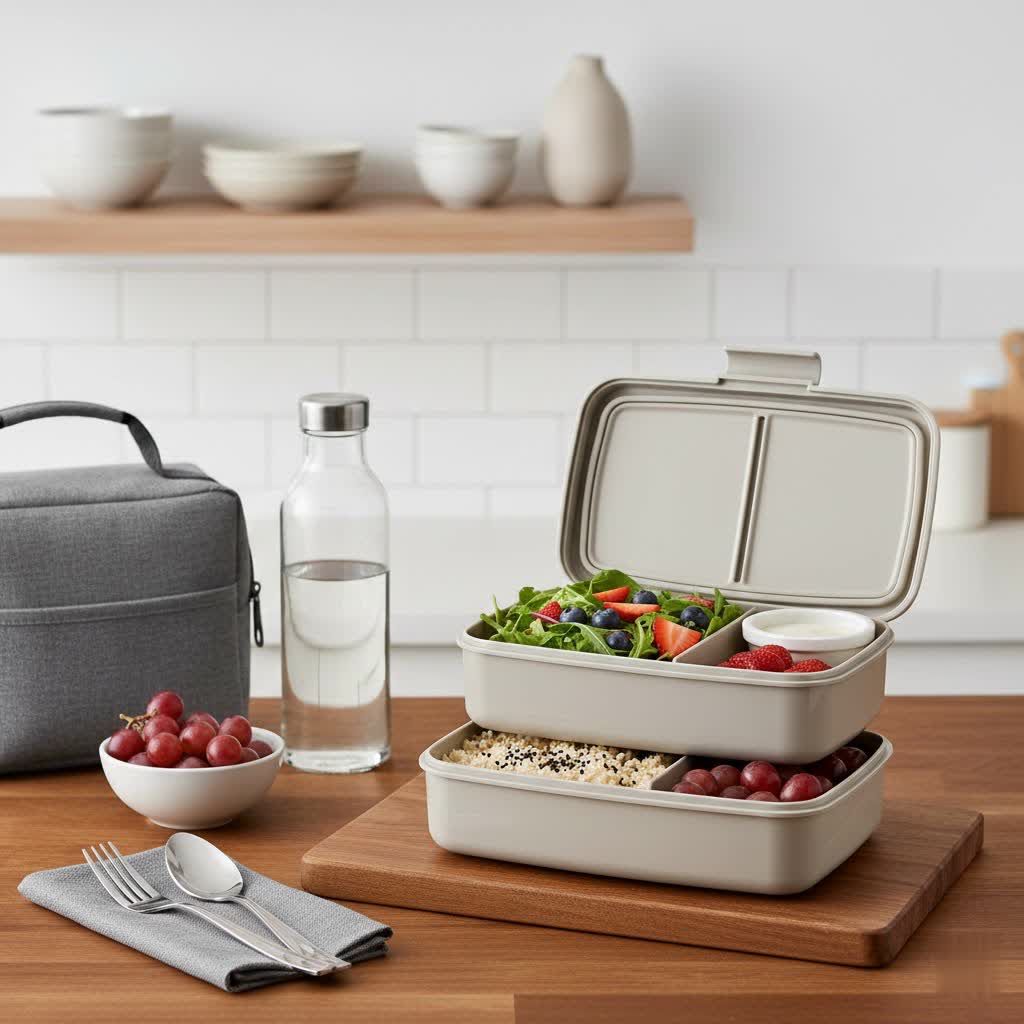
Are you tired of flimsy plastic containers that stain, warp, and potentially leach harmful chemicals into your food? In a world increasingly focused on health and sustainability, the humble lunch box has undergone a significant transformation. Enter the stainless steel lunch box—a robust, eco-friendly, and stylish solution that’s changing the way we carry our meals. With their undeniable durability, superior food safety, and environmental benefits, stainless steel lunch boxes are fast becoming the go-to choice for individuals and families committed to a healthier, more sustainable lifestyle.
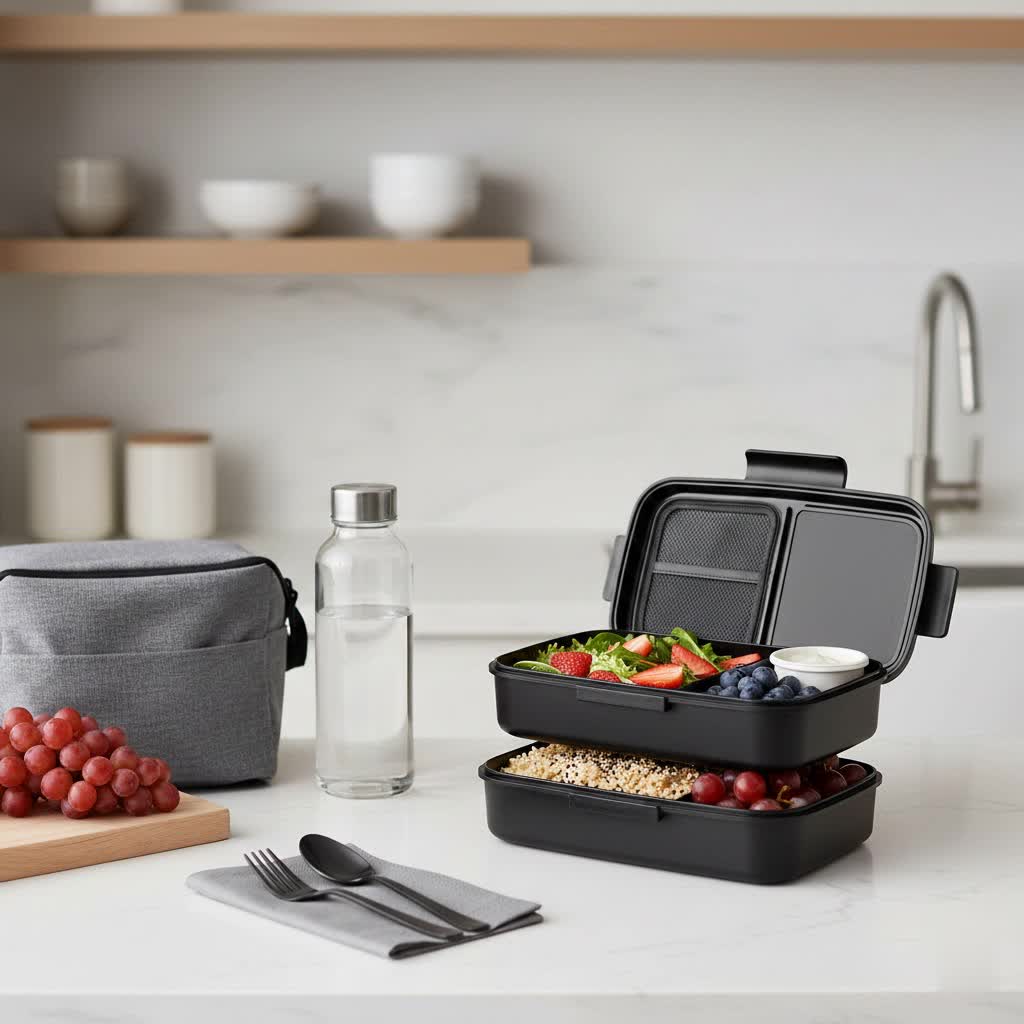
What is a Lunch Box?
A lunch box, at its core, is a portable container designed to hold food for consumption away from home. From simple wooden boxes used by laborers centuries ago to the brightly colored plastic carriers of modern childhood, lunch boxes have evolved considerably. Their primary purpose remains constant: to keep food fresh and protected until mealtime.
Historically, lunch boxes were practical, utilitarian items. Early versions included tin pails, often used by factory workers, while school children in the mid-20th century popularized metal boxes adorned with pop culture figures. The advent of plastic introduced lightweight and inexpensive options, but also brought concerns about durability and material safety. Today, the market is rich with diverse materials, designs, and functionalities, reflecting a growing consumer demand for options that prioritize health, convenience, and environmental responsibility.
Modern lunch boxes, especially those made from stainless steel, combine traditional functionality with advanced features. They are designed to withstand daily wear and tear, keep food at optimal temperatures, and cater to various dietary needs and preferences, from single-serving snacks to multi-course meals.
Why Should You Use a Lunch Box?
Using a dedicated lunch box offers a multitude of benefits that extend beyond mere convenience, impacting your wallet, your health, and the planet.
Save Money
|
Our Picks for the Best Lunch Box in 2026
We may earn a commission when you use one of our links to make a purchase.
|
||
| Num | Product | Action |
|---|---|---|
| 1 | Lifewit Medium Lunch Bag Insulated Lunch Box Soft Cooler Cooling Tote for Adult Men Women, Black 12-Can (9L) |

|
| 2 | Carhartt Camping Cooler, Worksite Lunchbox, Soft Shell Lunch Bag for Construction Sites, Work and Everyday Use, Black |
|
| 3 | Lifewit Medium Lunch Bag Insulated Lunch Box Soft Cooler Cooling Tote for Adult Men Women, Gray 12-Can (9L) |
|
| 4 | Lifewit Medium Lunch Bag Insulated Lunch Box Soft Cooler Cooling Tote for Adult Men Women, Burgundy 12-Can (9L) |
|
| 5 | Lifewit Medium Lunch Bag Insulated Lunch Box Soft Cooler Cooling Tote for Adult Men Women, Dark Gray 12-Can (9L) |
|
| 6 | Lifewit Medium Lunch Bag Insulated Lunch Box Soft Cooler Cooling Tote for Adult Men Women, Dark Green 12-Can (9L) |
|
| 7 | Lifewit Large Lunch Bag Insulated Lunch Box Soft Cooler Cooling Tote for Adult Men Women, Dark Blue 12-Can (9L) |
|
| 8 | DUPASU Electric Lunch Box Food Warmer: 100W Heated Lunch Box for Adults, 1.8L Portable Fast Heating Lunchbox Food Heater for Car, Truck, Work, Travel, Lonchera Elctrica Porttil 12/24V/110-230V |
|
| 9 | Bento Box Adult Lunch Box, Containers for Adults Men Women with 4 Compartments, Lunchable Food Container with Utensils, Sauce Jar, Muffin Liners, 40 Oz/5 Cup, Microwave & Dishwasher Safe, Brown |
|
| 10 | Lunch Bag Women Girls Boys Kids Lunch Box for Men School Work Picnic Travel, Large Insulated Lunch Tote Bags for Food Container Cooler with Water Bottle Holder Handheld Shoulder Strap Black A |
|
Packing your own lunch in a reusable container like a stainless steel lunch box is a simple yet effective way to cut down on daily expenses. Buying lunch every day can quickly add up, whereas preparing meals at home is significantly more cost-effective. This practice helps you stay within your budget without sacrificing meal quality.
Control Nutrition
Bringing your own lunch gives you complete control over what you eat. You can choose fresh ingredients, manage portion sizes, and avoid excessive sugars, unhealthy fats, and processed foods often found in takeout meals. This level of control is crucial for maintaining a balanced diet and achieving personal health goals.
Protect the Environment
Opting for a reusable stainless steel lunch box dramatically reduces your reliance on single-use plastics and disposable packaging. Plastic waste is a major environmental pollutant, and by making the switch, you actively contribute to decreasing landfill waste and mitigating plastic pollution, supporting a greener planet. Stainless steel is 100% recyclable, further enhancing its eco-credentials.
Convenience and Flexibility
A well-chosen lunch box offers unparalleled convenience. It allows you to transport meals safely and stylishly, whether you’re heading to the office, school, or on a picnic. Many designs are versatile, accommodating various food types, and are easy to clean, making meal prep and transport hassle-free.
Popular Types of Lunch Boxes on the Market
The lunch box market offers a wide array of options, primarily differentiated by material, design, and function. Understanding these categories helps in making an informed choice.
Classification by Material
Plastic Lunch Boxes
- Pros: Lightweight, inexpensive, widely available, come in many colors and shapes.
- Cons: Can stain easily, absorb odors, degrade over time, may contain harmful chemicals like BPA/BPS (unless certified BPA-free), and contribute to microplastic pollution.
Stainless Steel Lunch Boxes
- Pros: Highly durable, resistant to rust and corrosion, food-safe (does not leach chemicals), easy to clean, often dishwasher-safe, odor and taste neutral, oven-safe, and 100% recyclable. Many new designs are even microwave-safe.
- Cons: Can be heavier than plastic, typically more expensive upfront, not traditionally microwave-safe (though innovative designs now exist), and may show fingerprints or scratches more easily on untreated surfaces.
Glass Lunch Boxes
- Pros: Excellent for food safety (non-reactive), microwave and oven safe, easy to clean, doesn’t retain odors or stains, often aesthetic.
- Cons: Fragile and prone to breaking, heavier than plastic or stainless steel, can be bulky.
Insulated Lunch Boxes (Soft-sided or with Inserts)
- Pros: Designed to keep food warm or cold for extended periods, good for temperature-sensitive items.
- Cons: Often bulkier, may require additional ice packs or heating elements, less rigid in structure, can be harder to clean if spills occur inside the insulation.
Classification by Design
Single Compartment Lunch Boxes
These are simple, open containers ideal for larger items like sandwiches, salads, or main dishes. They offer maximum space and are easy to clean.
Multi-Compartment Lunch Boxes (Bento-style)
Featuring multiple dividers, these boxes are perfect for keeping different food items separate. They encourage varied meals and prevent flavors from mixing. The compartments can be fixed or removable.
Leak-Proof Lid Lunch Boxes
Essential for transporting liquids, sauces, or juicy fruits, these come with seals, latches, or silicone gaskets designed to prevent spills and messes.
Lunch Boxes with Handles
For easy portability, many lunch boxes feature integrated handles or come with carrying straps, making them convenient for students and commuters.
Classification by Function
Heatable Lunch Boxes
Some lunch boxes come with electric heating elements or are designed to be used with specific warming pads, allowing you to enjoy a warm meal without a microwave.
Insulated Lunch Boxes
These are designed with double walls or special insulation layers to maintain food temperature, whether hot or cold, for several hours.
Microwave-Safe Lunch Boxes
While traditional stainless steel is not microwave-safe, newer innovations feature specially designed corners and 304-grade stainless steel that can safely be used in microwave ovens, providing unmatched versatility.
Spill-Proof Lunch Boxes
Similar to leak-proof designs, these emphasize secure closures and tight seals to ensure contents remain contained, even during bumpy commutes.
Comparative Table of Lunch Box Types
To help you visualize the differences, here’s a comparison of common lunch box materials:
| Feature | Plastic Lunch Box | Stainless Steel Lunch Box | Glass Lunch Box |
|---|---|---|---|
| Material Safety | May leach chemicals (BPA/BPS) | Non-toxic, food-grade safe | Non-toxic, highly inert |
| Durability | Prone to cracking, staining, warping | Extremely durable, long-lasting | Fragile, prone to breaking |
| Weight | Very lightweight | Moderately heavy | Heaviest |
| Microwave Safe | Yes (if specified) | No (traditionally); Yes (new designs) | Yes |
| Oven Safe | No | Yes | Yes |
| Dishwasher Safe | Yes (often) | Yes (often) | Yes |
| Leak-Proof | Varies by design | Good (with proper seals) | Good (with proper seals) |
| Odor/Stain Retention | High | Low/None | None |
| Environmental Impact | High (plastic waste) | Low (reusable, recyclable) | Moderate (breakable, recyclable) |
| Cost (Upfront) | Low | Moderate to High | Moderate to High |
| Aesthetics | Wide variety, can look cheap | Sleek, modern, premium | Elegant, clear |
Tips for Choosing the Right Lunch Box
Selecting the perfect lunch box means considering your lifestyle, dietary habits, and practical needs.
Identify Your Usage Needs
Start by asking yourself what you typically pack. Do you need to store soups, sandwiches, salads, or a combination? This will influence the required capacity and the number of compartments. Consider the user: a small child’s lunch box will differ from an adult’s office meal container. Think about the environment where you’ll be eating—do you have access to a microwave, or do you need an insulated option?
Choose Safe Materials
Prioritize food-grade materials that won’t leach chemicals into your meals. Stainless steel, especially 304 grade (18/8 or 18/10), is an excellent choice known for its corrosion resistance and safety. Always look for certifications if available, ensuring the material meets safety standards. This is particularly important for children’s lunch boxes.
Select a Convenient Design
Look for features that enhance usability. Easy-to-open and close latches are crucial, especially for kids. A leak-proof design is a must for transporting wet foods. Consider compartmentalization if you enjoy varied meals or prefer to keep different food items separate. Features like comfortable handles or compact shapes can also improve portability.
Review User Feedback
Before making a purchase, read online reviews and ask for recommendations from friends or family who use lunch boxes. Real-world experiences can highlight potential issues with durability, leak-proof claims, or ease of cleaning that might not be obvious from product descriptions alone. Pay attention to comments regarding latch quality, ease of cleaning, and how well the box holds up over time.
Top 5 Stainless Steel Lunch Boxes Currently Popular
The market for stainless steel lunch boxes is robust, with several brands offering excellent products. Here are some highly-rated options:
- Lunchbots Trio II / Cinco: Renowned for their high quality and clean design. They feature multiple compartments, making them ideal for organized packing. While sometimes pricey upfront, they are known for longevity and ease of cleaning, fitting well for young kids (Trio II) or larger appetites/adults (Cinco).
- Planetbox Rover: This “fanciest schmanciest” option is praised for its beautiful design and aesthetic layout, often coming with fun magnets for kids. It includes two leak-proof round containers. While high quality, some users report latches can become an issue over time.
- Yumbox Presto Leakproof Stainless Steel Bento Box: For fans of the original Yumbox, the Presto offers a deeper, lightweight, and sturdy stainless steel option. It’s leak-proof but typically not dishwasher safe, and latches can be difficult for very young children.
- Bentgo Kids Stainless Steel Leak-Resistant Lunchbox: Features a practical layout with compartments and an easy-to-open latch. While leak-resistant, some users note that the exterior color can chip over time and latches may loosen, with no replacement options currently available.
- Ecolunchbox Splash Box Stainless Steel Lunchbox: A sturdy, single-compartment, leak-proof option with a silicone lid. It’s durable and easy to clean, best suited for older kids or adults due to its deeper, single compartment, which means all foods will touch.
These options represent a range of designs and features, but all share the core benefits of stainless steel durability and food safety.
How to Clean and Maintain Your Lunch Box
Proper care ensures your stainless steel lunch box remains hygienic and lasts for years.
Correct Cleaning Method
After each use, wash your lunch box with warm water and a mild dish soap. For tougher food residues or stains, a mixture of baking soda and water can be an effective, non-abrasive scrub. Rinse thoroughly to remove all soap residue. Many stainless steel lunch boxes are dishwasher safe, offering a convenient cleaning option, but always check the manufacturer’s instructions.
Storage Tips for Longevity
To prevent moisture buildup and potential odors, always ensure your lunch box is completely dry before storing. It’s best to store the lunch box with the lid off or slightly ajar to allow air circulation. Avoid storing it in humid environments.
Important Usage Notes
- Microwave Safety: While traditional stainless steel is not microwave-safe, modern innovations in 304-grade stainless steel containers with specific designs are now available and safe for microwave use. Always verify if your specific model is microwave-safe.
- Oven Safety: Most stainless steel lunch boxes are oven-safe, allowing for reheating or even baking directly in the box, a versatility that plastic cannot offer.
- Preventing Scratches and Fingerprints: Untreated stainless steel can show fingerprints and scratches. Choosing models with a brushed or matte finish can help minimize their visibility. Avoid using abrasive scrubbing pads or harsh chemicals, which can damage the surface and potentially compromise leak-proof seals.
“A quality stainless steel lunch box is not just a container; it’s an investment in your health, convenience, and the environment. Treat it well, and it will serve you for years.” – Jennifer Anderson, MSPH, RDN, Founder of Kids Eat in Color.
Conclusion
Choosing a stainless steel lunch box is a smart decision for anyone seeking a durable, healthy, and eco-friendly way to carry their meals. From reducing plastic waste and saving money to ensuring food safety and providing unparalleled convenience, the advantages are clear. By understanding the different types available and following simple care guidelines, you can select a companion that perfectly fits your lifestyle and contributes positively to both your well-being and the planet.
Are you ready to upgrade your lunch routine with a sustainable, stylish, and supremely functional stainless steel lunch box?
Frequently Asked Questions
What are the main benefits of using a stainless steel lunch box?
Stainless steel lunch boxes offer superior durability, are food-safe (free from BPA and other harmful chemicals), do not retain odors or stains, and are environmentally friendly due to their reusability and recyclability. They also keep food fresh and can be oven-safe.
Can I put a stainless steel lunch box in the microwave?
Traditionally, no, as metal in a microwave can cause sparking. However, new innovations in 304-grade stainless steel have led to specially designed containers that are certified microwave-safe. Always check the manufacturer’s instructions for your specific product.
How do I prevent my stainless steel lunch box from getting scratched?
To minimize scratches, choose a stainless steel lunch box with a brushed or matte finish, as these surfaces tend to conceal minor imperfections better than highly polished ones. Avoid abrasive scrubbers and sharp utensils when cleaning or packing.
Is stainless steel better than plastic for lunch boxes?
Generally, yes. Stainless steel is more durable, doesn’t leach harmful chemicals like BPA/BPS into food, and is better for the environment as it’s reusable and fully recyclable, unlike most plastics. While plastic is lighter and cheaper, stainless steel offers a healthier and more sustainable long-term solution.
How do I clean a stainless steel lunch box with stubborn stains?
For stubborn stains or odors, create a paste using baking soda and a little water. Apply the paste to the affected area, let it sit for a few minutes, then scrub gently with a soft sponge or cloth. Rinse thoroughly and dry completely.