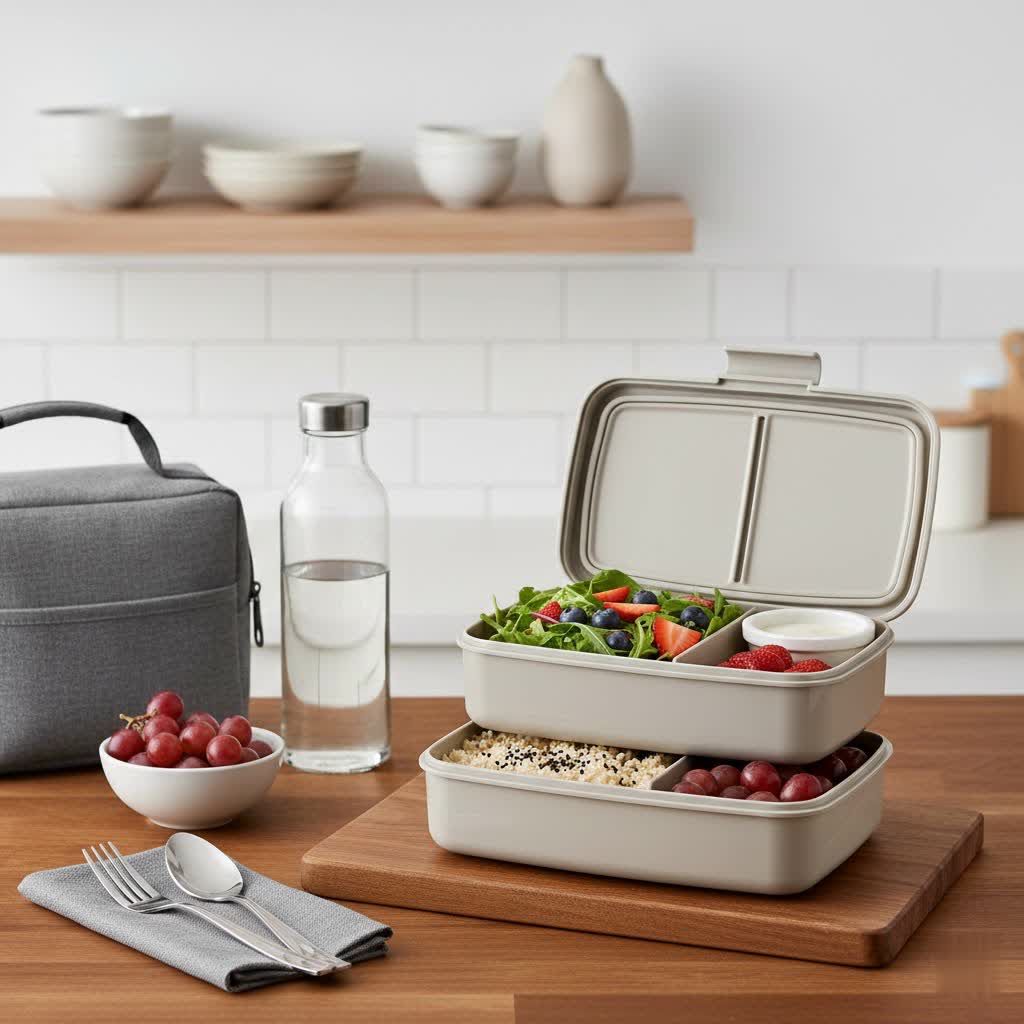
The simple act of packing a meal can be transformed into an experience of culture, health, and convenience. In Korea, this tradition finds its most beloved form in the Dosirak (도시락), a term that embodies not just a container, but a thoughtfully prepared, packed lunch. Whether for school, work, or a leisurely picnic, the Korean Lunch Box has evolved from a practical necessity into a canvas for culinary care and personal expression. This comprehensive guide will take you through the fascinating history, diverse types, myriad benefits, and essential tips for choosing and maintaining your perfect Korean lunch box, helping you discover your ideal mealtime companion.
What is a Korean Lunch Box (Dosirak)?
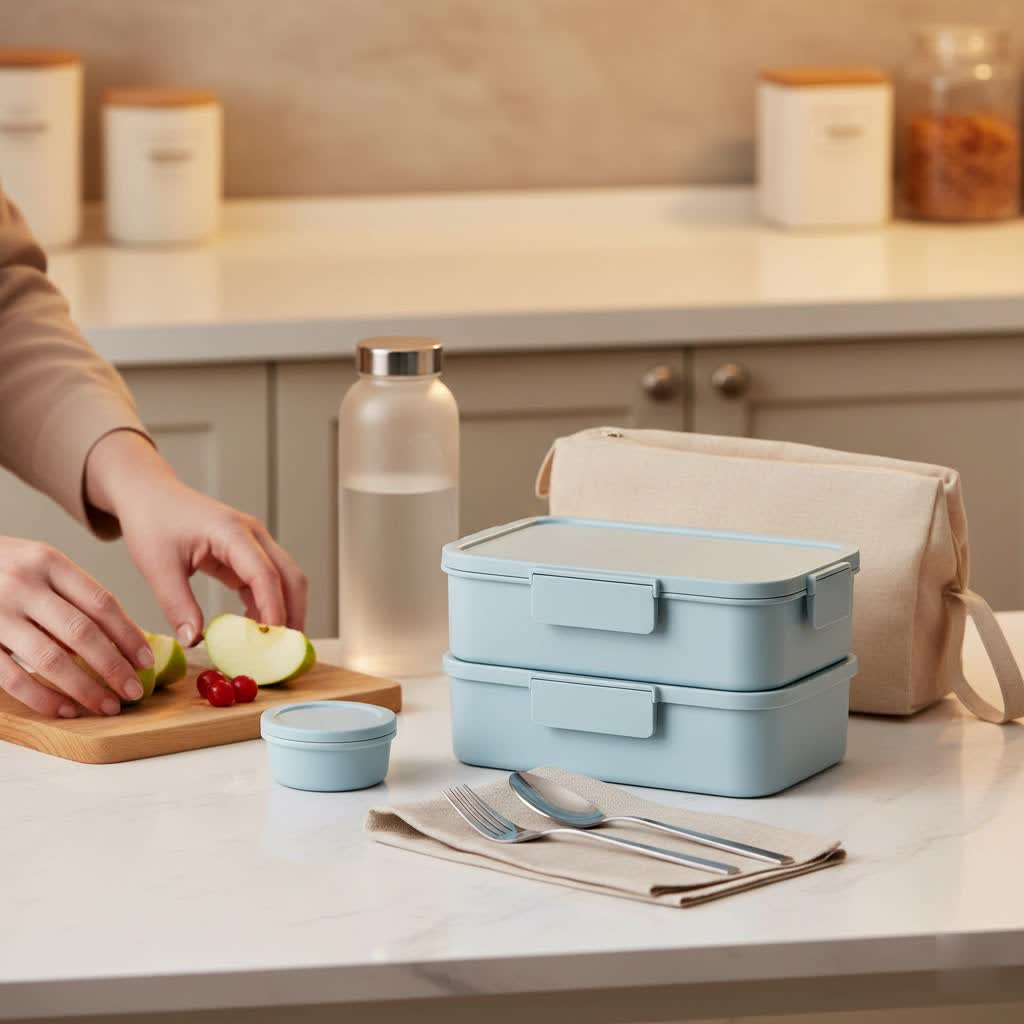
At its heart, a Dosirak is a packed meal, traditionally composed of bap (cooked rice) and an assortment of banchan (side dishes). More than just sustenance, it represents a gesture of care, often lovingly prepared at home. While the term “lunch box” might bring to mind various containers, Dosirak specifically refers to this Korean culinary tradition, encompassing both the meal itself and the vessel it’s carried in.
The practice of packing food in Korea dates back centuries, with the word Dosirak derived from the Early Modern Korean word “도슭”. Historically, these early lunch containers were crafted from natural materials like bamboo, transitioning to metal versions by the mid-20th century. The landscape of the Korean lunch box began to change significantly around the 1970s, as plastics became more accessible, leading to the widespread adoption of lighter, more versatile plastic and thermo-steel containers. For generations of Koreans, particularly those who attended school before the advent of cafeterias, the Dosirak was a daily ritual, and lunchtime became a cherished highlight of their day, filled with the warmth of home-cooked meals. Today, while still a staple of home cooking, Dosirak can also be conveniently found in various forms at train stations, convenience stores, and specialized restaurants across Korea.
Why Embrace the Korean Lunch Box Tradition?
Opting for a Korean lunch box, or any packed meal, offers a wealth of benefits that extend beyond mere practicality. Embracing the Dosirak tradition can significantly enhance your daily routine and well-being.
- Cost Savings: Preparing your own Dosirak is often far more economical than buying lunch daily. By planning meals and utilizing ingredients you already have, you can drastically cut down on dining-out expenses, saving a considerable amount over time.
- Nutritional Control: When you pack your own lunch, you have complete control over the ingredients, portion sizes, and cooking methods. This allows you to create balanced, healthy meals tailored to your dietary needs and preferences, avoiding excessive sodium, unhealthy fats, or unwanted additives often found in takeout.
- Environmental Benefits: Choosing a reusable Korean lunch box significantly reduces your reliance on single-use plastics and packaging that contribute to landfill waste. By making this simple switch, you actively participate in sustainable practices and minimize your ecological footprint.
- Convenience & Portability: Modern Korean lunch boxes are designed for an on-the-go lifestyle. They are lightweight, easy to carry, and come in various configurations to suit different needs, making it effortless to enjoy a delicious, home-cooked meal wherever you are.
- Cultural Connection & Personal Touch: Preparing a Dosirak can be a delightful way to connect with Korean culinary culture. There’s a unique satisfaction in crafting a beautiful and nutritious meal, reflecting personal taste and care. It’s a small daily pleasure that brings a touch of home to your busiest days.
Exploring the Diverse World of Korean Lunch Boxes
The market for Korean lunch boxes offers an impressive array of options, each designed to meet specific needs and preferences. Understanding the different types based on material, design, and function is key to finding your perfect fit.
By Material
The material of your Korean lunch box dictates its durability, safety, and how it can be used. Each has distinct advantages and disadvantages.
- Plastic Lunch Boxes: These are widely popular due to their affordability and lightweight nature. Many modern plastic lunch boxes are BPA-free and designed to be food-safe. However, their durability can vary, and over time, they may absorb odors or stains. It’s crucial to ensure they are high-quality, food-grade plastic, especially if you plan to microwave your meals.
- Stainless Steel Lunch Boxes: Praised for their exceptional durability and hygiene, stainless steel Korean lunch boxes are a robust choice. They are rust-resistant, do not retain odors or stains, and are inherently food-safe. While heavier than plastic, their longevity often makes them a worthwhile investment. They are, however, not microwave-safe.
- Glass Lunch Boxes: Offering superior food safety and aesthetic appeal, glass lunch boxes are ideal for those who prioritize purity. They are non-porous, meaning they won’t absorb food odors or colors, and are typically oven and microwave-safe (without the lid). The main drawbacks are their weight and fragility, making them less suitable for very active individuals or young children.
- Insulated/Thermal Lunch Boxes: Designed to maintain food temperature, these lunch boxes are perfect for keeping meals warm or cold for several hours. They often feature double-walled construction, sometimes with vacuum insulation. While excellent for temperature retention, they tend to be bulkier and may not be suitable for microwaving. They are often made from stainless steel or a combination of materials.
|
Our Picks for the Best Lunch Box in 2026
We may earn a commission when you use one of our links to make a purchase.
|
||
| Num | Product | Action |
|---|---|---|
| 1 | Lifewit Medium Lunch Bag Insulated Lunch Box Soft Cooler Cooling Tote for Adult Men Women, Dark Green 12-Can (9L) |

|
| 2 | Lunch Bag Women Girls Boys Kids Lunch Box for Men School Work Picnic Travel, Large Insulated Lunch Tote Bags for Food Container Cooler with Water Bottle Holder Handheld Shoulder Strap Black A |
|
| 3 | Lifewit Medium Lunch Bag Insulated Lunch Box Soft Cooler Cooling Tote for Adult Men Women, Black 12-Can (9L) |
|
| 4 | Lifewit Large Lunch Bag Insulated Lunch Box Soft Cooler Cooling Tote for Adult Men Women, Dark Blue 12-Can (9L) |
|
| 5 | Lifewit Medium Lunch Bag Insulated Lunch Box Soft Cooler Cooling Tote for Adult Men Women, Gray 12-Can (9L) |
|
| 6 | Carhartt Camping Cooler, Worksite Lunchbox, Soft Shell Lunch Bag for Construction Sites, Work and Everyday Use, Black |
|
| 7 | Lifewit Medium Lunch Bag Insulated Lunch Box Soft Cooler Cooling Tote for Adult Men Women, Dark Gray 12-Can (9L) |
|
| 8 | DUPASU Electric Lunch Box Food Warmer: 100W Heated Lunch Box for Adults, 1.8L Portable Fast Heating Lunchbox Food Heater for Car, Truck, Work, Travel, Lonchera Elctrica Porttil 12/24V/110-230V |
|
| 9 | Lifewit Medium Lunch Bag Insulated Lunch Box Soft Cooler Cooling Tote for Adult Men Women, Burgundy 12-Can (9L) |
|
| 10 | Bento Box Adult Lunch Box, Containers for Adults Men Women with 4 Compartments, Lunchable Food Container with Utensils, Sauce Jar, Muffin Liners, 40 Oz/5 Cup, Microwave & Dishwasher Safe, Brown |
|
By Design
Beyond material, the design of a Korean lunch box profoundly impacts its usability and how you pack your meals.
- Single Compartment: Simple and spacious, these are great for larger dishes, salads, or if you prefer to mix your food. They offer maximum volume but don’t prevent foods from touching.
- Multi-Compartment/Tiered: This design is a hallmark of many Dosirak, allowing you to separate different banchan from bap or prevent flavors from mixing. Tiered options stack separate containers, providing even more organization and often a classic look.
- Leak-Proof Lids: Essential for carrying sauces, stews, or any liquid-based dishes without worry. Look for silicone seals and secure latches to ensure your bag stays mess-free.
- With Handles/Bags: Many Korean lunch boxes come with integrated handles or are sold as sets with coordinating insulated bags. These additions make transportation easier and often add an extra layer of thermal protection.
By Function
Modern Korean lunch boxes often come with specialized features to enhance your mealtime experience.
- Microwave-Safe: A crucial feature for those who prefer to reheat their meals. Always confirm this on the product label, as only specific plastics and glass are safe for microwave use. Metal containers are strictly not microwave-safe.
- Thermal (Insulated): As mentioned, these are designed to keep food at its desired temperature for an extended period, ideal for long commutes or outdoor activities.
- Stackable: Allows for efficient storage when empty and convenient packing of multiple dishes or even multiple individuals’ lunches.
- Dishwasher-Safe: A great time-saver for cleaning. Check individual components, as some parts (like seals or exterior bags) may require hand washing.
- Airtight/Leak-Proof: Beyond just preventing spills, airtight seals can help keep food fresher for longer by minimizing exposure to air.
Comparative Table: Choosing Your Ideal Korean Lunch Box
Selecting the right Korean lunch box involves weighing various factors. This table provides a quick comparison across common materials.
| Feature | Plastic (BPA-free) | Stainless Steel | Glass (Borosilicate) | Insulated (Thermo-steel) |
|---|---|---|---|---|
| Durability | Moderate (can scratch) | High (dent-resistant) | Moderate (breakable) | High (impact-resistant) |
| Weight | Low | Medium/High | High | Medium/High |
| Microwave | Some safe | No | Yes (container only) | No |
| Dishwasher | Yes | Yes | Yes | Outer bag often not |
| Cost | Low | Medium | Medium/High | High |
| Insulation | None | Minimal | Minimal | Excellent |
| Safety | Check BPA-free | Excellent | Excellent | Varies by inner material |
| Odor/Stain | Can absorb | No absorption | No absorption | No absorption (inner) |
Expert Tips for Choosing the Perfect Korean Lunch Box
Navigating the myriad options can be daunting, but with a few expert tips, you can confidently select a Korean lunch box that perfectly aligns with your lifestyle.
Define Your Needs
Before anything else, consider your daily routine and culinary habits. What types of food will you primarily pack? If you enjoy soupy stews or saucy dishes, a leak-proof design is non-negotiable. For those who love warm meals, an insulated option is key. Think about the capacity you need—a single portion for yourself, or a larger one for a family picnic? Do you require multiple compartments to keep different banchan separate from your bap? Identifying these core requirements will narrow down your choices significantly.
Prioritize Safe Materials
The safety of your food container should always be paramount.
- For plastic: Always look for labels indicating “BPA-free” and “food-grade.” These certifications ensure that harmful chemicals won’t leach into your food.
- For stainless steel: Opt for 18/8 or 304 food-grade stainless steel, known for its corrosion resistance and safety.
- For glass: Borosilicate glass is more resistant to thermal shock, making it a safer choice for both hot and cold foods and microwave use.
Always verify any safety certifications or independent testing mentioned by the manufacturer.
Opt for Convenient Design
A well-designed lunch box makes your daily routine smoother. Consider features that enhance usability:
- Ease of use: Can it be easily opened and closed, especially if children will be using it?
- Cleaning: Is it dishwasher-safe, or does it have intricate parts that make hand washing cumbersome? Smooth, seamless interiors are easier to clean.
- Portability: Does it fit comfortably in your bag, or does it come with a carrying case or handle?
- Aesthetics: While secondary, a design that appeals to you can make mealtime more enjoyable. Many Korean lunch boxes boast sleek, minimalist, or charmingly traditional designs.
Read User Reviews
The experiences of other users can provide invaluable insights into a product’s real-world performance. Before making a purchase:
- Check for common issues: Do reviews frequently mention leakage problems, poor insulation, or material durability concerns?
- Look for positive feedback: Pay attention to comments on ease of cleaning, reliability of seals, and overall satisfaction with the product.
- Consider diverse opinions: Read reviews from various sources to get a balanced perspective.
This collective wisdom can help you avoid potential disappointments and choose a trusted product.
“With over 10 years of experience in kitchenware and lunch boxes, I’ve tested hundreds of products, understanding the pros and cons of materials, design, and features. My goal is to share this knowledge transparently, helping you find your ideal lunch companion.” – Admin, ReviewPromos.com, Kitchenware Expert
What to Look for in Popular Korean Lunch Box Options
While specific product recommendations are outside this guide’s scope, understanding the features found in highly-rated Korean lunch boxes can inform your choice. Many popular options blend traditional aesthetics with modern functionality. Look for:
- Multi-tiered stainless steel Dosirak: These often mimic traditional designs while offering the durability and food-safe properties of stainless steel. They are excellent for keeping different dishes separate and are a stylish choice.
- BPA-free plastic containers with robust seals: For everyday convenience, many prefer lightweight plastic. The best ones feature strong, often silicone, seals that guarantee leak-proof performance and multiple compartments for organized packing.
- Glass containers with secure locking lids: Ideal for those who prioritize food safety, microwaveability, and easy cleaning. Popular models often come with protective sleeves or bags to minimize breakage risk.
- Insulated thermal bags or containers: For those who need to keep food hot or cold, well-designed thermal options feature high-quality insulation, durable exteriors, and often include internal compartments for additional organization. Some even come with dedicated spaces for utensils.
When exploring these options, consider how their key features align with your individual packing style and meal requirements.
Maintaining Your Korean Lunch Box: Cleaning and Care Guide
Proper cleaning and maintenance are crucial for extending the lifespan of your Korean lunch box and ensuring food safety. Different materials require specific care routines.
-
General Cleaning Tips:
- Wash immediately: Try to wash your lunch box as soon as possible after use to prevent food residue from drying and odors from setting in.
- Use mild detergent: Harsh chemicals can damage certain materials or leave residues.
- Rinse thoroughly: Ensure all soap is rinsed off to prevent any lingering taste or film.
- Air dry completely: Before storing, make sure all parts are completely dry to prevent mold or mildew growth, especially in seals and corners.
-
Material-Specific Care:
- Plastic: While many are dishwasher-safe, hand washing can prolong their life and prevent warping. To remove stubborn stains or odors (e.g., from kimchi), soak them in a mixture of baking soda and water or use a lemon slice to rub the affected areas.
- Stainless Steel: These are typically dishwasher-safe and very easy to clean. For a deep shine or to remove water spots, a vinegar rinse can work wonders. Avoid abrasive scrubbers that could scratch the surface.
- Glass: Glass containers are usually dishwasher-safe and can be sterilized in hot water. Be careful with sudden temperature changes (thermal shock), which can cause cracking, especially if moving from a very hot dishwasher to a cold surface.
- Insulated Bags: Most insulated bags require spot cleaning with a damp cloth and mild soap. Avoid machine washing or submerging them in water, as this can damage the insulation layer.
-
Storage Best Practices:
- Store lunch boxes with lids slightly ajar or removed to allow for air circulation and prevent stale odors.
- Keep rubber gaskets and seals clean and dry; if they become brittle or cracked, they may need replacement to maintain leak-proof functionality.
- Store in a cool, dry place away from direct sunlight, which can degrade certain materials over time.
Conclusion
The Korean lunch box, or Dosirak, is far more than just a container; it’s a testament to a rich cultural heritage, a commitment to health, and a daily convenience that enriches lives. From its humble origins as bamboo and metal vessels to today’s sophisticated multi-compartment designs, the Dosirak has consistently adapted to meet the evolving needs of modern life. By understanding the diverse materials, thoughtful designs, and functional features available, you are empowered to choose a Korean lunch box that not only holds your meal but also reflects your values—whether that’s saving money, eating healthier, or reducing your environmental impact.
Investing in the right Korean lunch box is an investment in your well-being, offering a simple yet profound way to bring homemade goodness into your busy day. Ready to elevate your daily meals with a touch of Korean tradition and practicality? What delicious, nutritious meal will you pack in your Dosirak tomorrow?
Frequently Asked Questions
What does “Dosirak” mean?
Dosirak (도시락) is the Korean term for a packed meal, typically consisting of rice (bap) and various side dishes (banchan), often prepared for lunch or picnics. It signifies a complete, homemade meal on-the-go.
How is a Korean lunch box different from a Japanese bento box?
While both are packed meals, Dosirak generally emphasizes a central serving of rice with various Korean side dishes, reflecting Korean culinary traditions and flavors like kimchi. Bento often features a more compartmentalized, artfully arranged presentation with a specific focus on Japanese dishes.
Can Korean lunch boxes keep food warm?
Traditional Dosirak containers do not offer insulation. However, many modern Korean lunch boxes are specifically designed with thermo-steel or as insulated thermal bags, capable of keeping food warm or cold for several hours, depending on the product’s design and materials.
Are Korean lunch boxes microwave safe?
It depends entirely on the material. Glass and specific types of BPA-free plastic Korean lunch boxes are microwave safe (often without the lid). Metal or stainless steel containers are not microwave safe and should never be placed in a microwave oven to prevent damage or fire. Always check the product’s specifications.
What are common foods packed in a Dosirak?
Typical Dosirak contents include bap (cooked rice), kimchi, various namul (seasoned vegetables), jeon (savory pancakes), gim (seaweed), and often a protein like bulgogi (marinated beef) or gyeran-mari (rolled omelet). Kimbap (seaweed rice rolls) is also an extremely popular and convenient Dosirak item.
Are there eco-friendly Korean lunch box options?
Yes, many eco-conscious Korean lunch box options are available. Stainless steel and glass containers are excellent reusable choices. Additionally, some brands offer Dosirak containers made from sustainable bamboo or other biodegradable materials, helping to reduce reliance on single-use plastics.