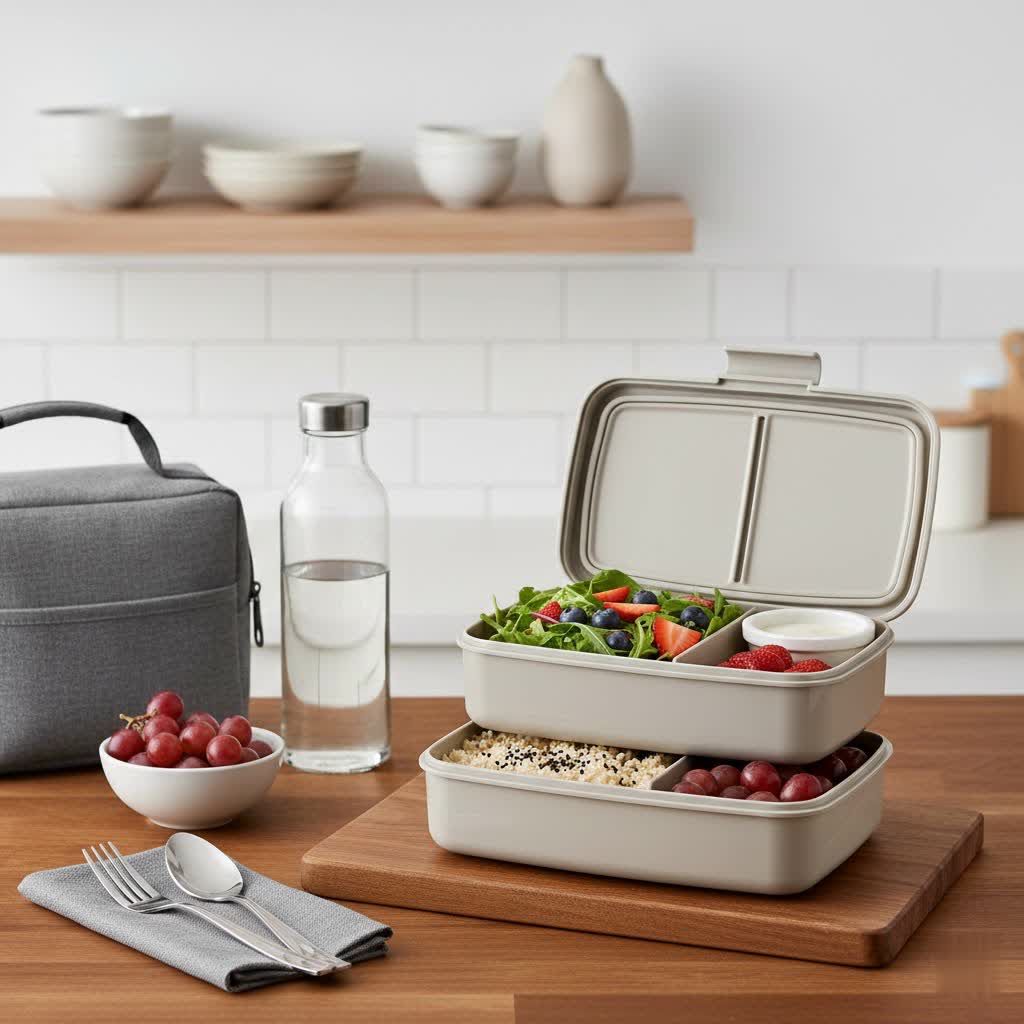
For many parents, packing a child’s lunch is a daily ritual, a blend of nutrition, creativity, and practicality. Beyond simply holding food, the right children’s lunch box is a powerful tool that can empower healthy eating habits, save money, and contribute to a more sustainable lifestyle. It’s an essential companion for school days, playdates, and family outings, designed to keep meals fresh, organized, and appealing to even the pickiest eaters.
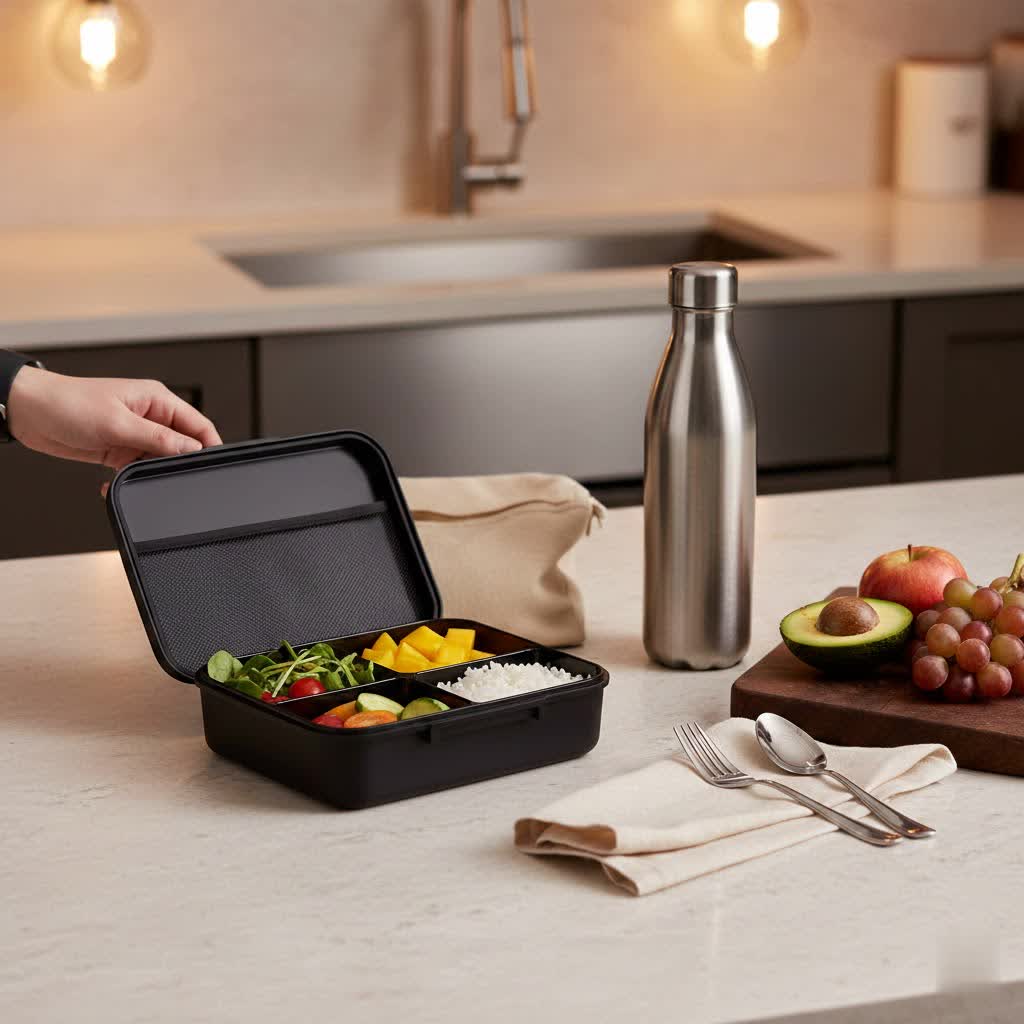
Choosing the ideal lunch box for your child can seem overwhelming with the myriad of options available. From vibrant designs to specialized compartments and advanced insulation, the market offers a solution for every need. This comprehensive guide will navigate you through the world of children’s lunch boxes, helping you understand their evolution, various types, key features, and how to select the perfect one to accompany your child’s daily adventures.
What is a Children’s Lunch Box?
A children’s lunch box is more than just a container; it’s a specially designed vessel for transporting packed meals and snacks for kids. While historically simple metal or wooden boxes carried basic provisions, today’s versions are sophisticated, engineered to meet diverse needs, from maintaining food temperature to preventing leaks and promoting balanced nutrition.
The concept of a packed lunch dates back centuries, evolving from basic provisions carried in cloths or baskets to insulated metal pails used by industrial workers in the early 20th century. As the focus shifted to children’s well-being and school lunches, the design adapted. The mid-20th century saw the rise of character-themed metal lunch boxes, becoming iconic symbols of childhood. Today, the emphasis has expanded to include food safety, environmental consciousness, and designs that encourage children’s independence and healthy eating habits. Modern children’s lunch boxes are a testament to this evolution, blending functionality with child-friendly aesthetics.
Common types of children’s lunch boxes available today include the ever-popular bento boxes with their multi-compartment designs, traditional hard-shell boxes, and flexible insulated lunch bags, each offering unique advantages for different users and lifestyles.
Why Should You Use a Children’s Lunch Box?
Opting for a reusable children’s lunch box brings a host of benefits that extend beyond mere convenience. It’s a choice that impacts your family’s finances, your child’s health, and the environment.
First, packing lunches from home can lead to significant cost savings. Purchasing school cafeteria meals or daily takeaway lunches can quickly add up. By preparing meals at home, you have greater control over ingredients and quantities, often resulting in a more budget-friendly approach to feeding your child.
Second, using a lunch box provides an excellent opportunity for nutrition control. Parents can meticulously plan and pack balanced meals, ensuring their children receive a diverse range of food groups necessary for growth, energy, and focus throughout their day. This is especially crucial for children with dietary restrictions, allergies, or picky eating habits, as meals can be tailored precisely to their needs and preferences.
Third, embracing reusable lunch boxes contributes positively to environmental protection. By avoiding single-use plastic bags, wraps, and disposable containers, families can significantly reduce their daily waste output, fostering eco-conscious habits from a young age. This small change makes a tangible difference in minimizing landfill waste and plastic pollution.
Finally, children’s lunch boxes offer unparalleled convenience and flexibility. They allow for a vast array of food options, from warm pasta to fresh fruit and crunchy snacks, all neatly organized. Modern designs, particularly bento boxes, make it easy to pack a varied and visually appealing meal, encouraging children to try new foods and enjoy their lunchtime experience. This flexibility supports a child’s unique appetite and preferences, making mealtimes more enjoyable and less stressful.
Popular Types of Children’s Lunch Boxes on the Market
The diversity in children’s lunch boxes means there’s a perfect match for every child and every meal. They can be broadly categorized by their material, design, and functional features.
By Material
The material of a lunch box dictates its durability, weight, insulation properties, and safety.
- Plastic Lunch Boxes: These are often the most common and affordable.
- Pros: Lightweight, available in a vast array of colors and designs, often dishwasher and microwave safe (check manufacturer guidelines). Many feature multiple compartments and child-friendly latches.
- Cons: Durability varies widely; cheaper plastics can crack or stain over time. It’s crucial to choose products explicitly labeled BPA-free, as BPA (Bisphenol A) is a chemical that can leach into food and has potential health concerns.
- Stainless Steel Lunch Boxes: A popular eco-friendly and durable option.
- Pros: Extremely durable, resistant to dents and scratches, non-toxic, doesn’t retain food odors or stains, and is generally plastic-free. They are excellent for long-term use and often dishwasher safe.
- Cons: Heavier than plastic, typically more expensive upfront, and cannot be used in the microwave. They may also not be inherently leak-proof between compartments unless individual silicone-sealed containers are included.
- Insulated Fabric Lunch Bags: These are flexible bags designed to hold inner containers or bento boxes.
- Pros: Lightweight, flexible, easy to carry, and often come in fun designs. Their primary function is insulation, keeping food cold or warm for several hours, especially when used with ice packs.
- Cons: They don’t provide structural protection for food like hard-sided boxes, and food must be packed in separate containers within the bag. Cleaning can sometimes be more challenging than a hard plastic or steel box.
|
Our Picks for the Best Lunch Box in 2026
We may earn a commission when you use one of our links to make a purchase.
|
||
| Num | Product | Action |
|---|---|---|
| 1 | Lifewit Medium Lunch Bag Insulated Lunch Box Soft Cooler Cooling Tote for Adult Men Women, Dark Green 12-Can (9L) |

|
| 2 | Bento Box Adult Lunch Box, Containers for Adults Men Women with 4 Compartments, Lunchable Food Container with Utensils, Sauce Jar, Muffin Liners, 40 Oz/5 Cup, Microwave & Dishwasher Safe, Brown |
|
| 3 | Lunch Bag Women Girls Boys Kids Lunch Box for Men School Work Picnic Travel, Large Insulated Lunch Tote Bags for Food Container Cooler with Water Bottle Holder Handheld Shoulder Strap Black A |
|
| 4 | Lifewit Medium Lunch Bag Insulated Lunch Box Soft Cooler Cooling Tote for Adult Men Women, Dark Gray 12-Can (9L) |
|
| 5 | Lifewit Medium Lunch Bag Insulated Lunch Box Soft Cooler Cooling Tote for Adult Men Women, Gray 12-Can (9L) |
|
| 6 | DUPASU Electric Lunch Box Food Warmer: 100W Heated Lunch Box for Adults, 1.8L Portable Fast Heating Lunchbox Food Heater for Car, Truck, Work, Travel, Lonchera Elctrica Porttil 12/24V/110-230V |
|
| 7 | Lifewit Medium Lunch Bag Insulated Lunch Box Soft Cooler Cooling Tote for Adult Men Women, Burgundy 12-Can (9L) |
|
| 8 | Lifewit Medium Lunch Bag Insulated Lunch Box Soft Cooler Cooling Tote for Adult Men Women, Black 12-Can (9L) |
|
| 9 | Lifewit Large Lunch Bag Insulated Lunch Box Soft Cooler Cooling Tote for Adult Men Women, Dark Blue 12-Can (9L) |
|
| 10 | Carhartt Camping Cooler, Worksite Lunchbox, Soft Shell Lunch Bag for Construction Sites, Work and Everyday Use, Black |
|
By Design
The internal and external design plays a key role in how easily a child can use the box and how effectively food can be organized.
- Single Compartment Lunch Boxes: These are simple, open containers, best for larger items like sandwiches, or when you prefer to use your own assortment of smaller containers inside. They offer maximum flexibility for unusual food sizes.
- Multi-Compartment (Bento Style) Lunch Boxes: Hugely popular, these boxes feature built-in dividers, creating separate sections for different foods.
- Pros: Encourages variety and balanced meals, prevents foods from touching (great for picky eaters), keeps items organized, and often reduces the need for multiple small containers, thus saving washing. Many are designed to be leak-proof between compartments for specific food types.
- Stackable Lunch Boxes: These consist of multiple tiers or containers that stack together, often held by a strap or clip. They can offer good separation and capacity, but sometimes prove cumbersome for younger children to manage.
- Lunch Boxes with Carrying Handles/Straps: Essential for children who prefer to carry their lunch box separately from their backpack, providing ease of transport.
By Function
Certain features are crucial for ensuring food safety, appeal, and user-friendliness.
- Insulated Lunch Boxes (for hot or cold food): Designed with thermal properties or integrate a thermos to keep contents at safe temperatures for longer. This is vital for perishable items and can also allow for packing warm meals like soup or pasta.
- Leak-Proof Lunch Boxes: This is a top priority for most parents. Effective leak-proof designs typically feature silicone seals around lids and sometimes around individual compartments to prevent spills within the bag.
- Microwave-Safe Lunch Boxes: Some plastic or glass models are safe for reheating food directly in the microwave, offering convenience if your child has access to one at school. (Note: Stainless steel is never microwave safe).
- Easy-Open Latches: For younger children, simple yet secure latches are essential for fostering independence and preventing frustration at lunchtime.
Comparison Table: Choosing Your Child’s Ideal Lunch Box
| Feature | Plastic (BPA-Free) Lunch Box | Stainless Steel Lunch Box | Insulated Fabric Lunch Bag |
|---|---|---|---|
| Durability | Moderate to High (quality varies) | Very High (long-lasting) | High (fabric can withstand wear, but not impact) |
| Weight | Lightweight | Heavier | Very Lightweight |
| Cost | Most affordable | Higher upfront cost | Affordable to Moderate |
| Insulation | Minimal (needs ice pack) | Minimal (needs ice pack/separate thermos) | Good (often built-in thermal lining) |
| Leak-Proof | Can be, especially bento styles with silicone seals | Often needs separate leak-proof containers for wet foods | Not inherently leak-proof (requires leak-proof containers inside) |
| Microwave Safe | Often (check specific product) | No | No |
| Dishwasher Safe | Often (top rack recommended) | Often | Outer surface wipeable, some machine washable |
| Customization | Wide range of colors, designs, character prints | Fewer aesthetic options, sometimes comes with magnets/sleeves | Endless designs, patterns, and character options |
| Pros | Affordable, lightweight, versatile, many compartment options | Eco-friendly, highly durable, non-toxic, no lingering odors | Lightweight, flexible, good insulation, easy to carry |
| Cons | Can stain/retain odors, durability varies, requires BPA-free | Heavier, more expensive, not microwave safe, can dent | Offers no structural protection, requires internal containers |
| Best For | Everyday use, picky eaters, younger kids, budget-conscious | Eco-conscious families, older kids, long-term investment | Carrying bento boxes/containers, keeping food temperature constant |
How to Choose the Right Children’s Lunch Box
Selecting the perfect lunch box requires a thoughtful assessment of your child’s individual needs, your family’s lifestyle, and the practicalities of daily use.
Determine Your Child’s Needs
Start by considering who will be using the lunch box and what they will be eating.
- What type of food will you pack? If your child prefers hot meals like soup or pasta, an insulated lunch box with a thermos is essential. For cold sandwiches, fruits, and snacks, a standard bento or insulated bag with an ice pack will suffice.
- What is your child’s appetite and portion size? A toddler might need a compact mini lunch box, while a growing elementary schooler will require a larger capacity. Multi-compartment boxes are excellent for variety and portion control.
- What features are necessary for their age? Younger children need easy-to-open latches and lightweight options. Older children might prioritize style and more robust designs.
- Are there school restrictions? Some schools have policies against certain materials (e.g., glass) or require specific types of containers for allergy management.
Prioritize Safety and Material Quality
Always put safety first. Look for lunch boxes made from food-grade, non-toxic materials. If opting for plastic, ensure it is clearly labeled BPA-free, PVC-free, and phthalate-free. Stainless steel is naturally a safe and durable choice. Checking for certifications or reputable brands can offer peace of mind.
Choose for Convenience and Practicality
A lunch box that isn’t easy to use or clean quickly becomes a hassle.
- Ease of Opening and Closing: Children should be able to manage their lunch box independently, especially at school, to avoid delays in eating.
- Ease of Cleaning: Dishwasher-safe components are a huge time-saver. Consider materials that don’t stain easily or absorb odors. Smooth interiors without hard-to-reach crevices simplify daily washing.
- Durability: Children can be rough with their belongings. A sturdy construction that can withstand drops and daily wear and tear is crucial for longevity.
- Fit and Portability: Ensure the lunch box fits comfortably into your child’s backpack or chosen lunch bag, and is a manageable weight for them to carry.
- Aesthetic Appeal: While not purely functional, a lunch box with a fun design, favorite colors, or characters can significantly increase your child’s excitement about eating their packed meal.
Consult Reviews and Recommendations
Before making a final decision, take time to read reviews from other parents. Real-world experiences can highlight practical pros and cons not always evident in product descriptions. Look for comments on leak-proof performance, ease of cleaning, durability, and whether children enjoy using them. Recommendations from friends, family, or online parenting communities can also provide valuable insights.
Top 5 Children’s Lunch Boxes Praised by Parents
Based on widespread parent reviews and expert analyses, several brands consistently stand out for their quality, functionality, and child-friendly designs. While specific models may vary, these brands represent excellent choices in the market:
- Bentgo Kids Lunch Box: Renowned for its leak-proof, five-compartment bento design, the Bentgo Kids is a favorite for younger children (ages 3-7). Its rubber-coated edges offer durability, and the various compartments encourage balanced meals. Parents appreciate its ability to keep different foods separate without spills.
- OmieBox Bento Box with Insulated Thermos: This innovative lunch box features a unique built-in, removable insulated thermos, allowing parents to pack both hot and cold foods in one compact unit. It’s highly versatile, durable, and leak-proof, making it ideal for kids who enjoy warm meals or need to keep items chilled.
- PlanetBox Rover Stainless Steel Lunch Box: An eco-friendly champion, the PlanetBox Rover offers a durable, plastic-free solution with multiple stainless steel compartments. It’s designed for longevity and comes with small, leak-proof dip containers. While a higher investment, its robust construction and sustainability appeal to many families.
- Yumbox Original Leakproof Bento Lunch Box: The Yumbox is celebrated for its compact size, illustrated food tray that guides healthy portioning, and impressive leak-proof seal. Its pre-portioned compartments are perfect for school lunches, camp, or snacks on the go, with designs that make healthy eating visually engaging.
- Easy Lunch Boxes 3-Compartment Lunch Containers: Offering exceptional value, these basic bento-style containers come in multi-packs, making them a budget-friendly choice for families. While not as robust as some premium options, they are lightweight, stackable, and effective for separating foods, proving to be a reliable everyday option for many.
Guide to Cleaning and Maintaining Your Children’s Lunch Box
Proper cleaning and maintenance are key to extending the life of your child’s lunch box and ensuring food safety. Neglecting these steps can lead to lingering odors, stains, and even bacterial growth.
Daily Cleaning Routine
Immediately after use, empty any leftover food and rinse the lunch box and all its components. For most lunch boxes, especially plastic and stainless steel ones, a good wash with warm, soapy water is sufficient. Pay extra attention to corners, seals, and latches where food particles can accumulate. Many plastic and stainless steel components are dishwasher safe (often top-rack for plastic), which simplifies the process for busy parents. For insulated fabric bags, wipe the interior liner clean with a damp cloth and mild soap.
Deep Cleaning Tips
Occasionally, a more thorough cleaning might be necessary.
- Eliminating Odors: For plastic lunch boxes that have absorbed food odors, a solution of baking soda and water (or vinegar and water) left to sit overnight can help neutralize smells. A quick rinse and wash the next morning should leave it fresh.
- Stain Removal: Lemon juice or a baking soda paste can often help lift stubborn food stains from plastic. For stainless steel, warm water and dish soap are usually enough.
- Addressing Mold/Mildew: If you notice any signs of mold, typically in silicone seals or hard-to-reach areas, a solution of diluted white vinegar can be effective. Ensure thorough scrubbing and rinsing.
Storage and Longevity
- Dry Completely: Always ensure all parts of the lunch box are thoroughly dry before reassembling and storing. Trapped moisture can lead to mildew and unpleasant odors. Air drying is often best.
- Store Open: If possible, store hard-sided lunch boxes with the lid slightly ajar or removed to allow for airflow and prevent stale odors from building up.
- Handle with Care: While many lunch boxes are durable, avoiding harsh scrubbing pads or abrasive cleaners can help preserve their finish and seals, especially for plastic. Hand washing specific components, like silicone seals, can extend their leak-proof integrity. Replace seals if they show signs of wear or damage.
By following these simple steps, your child’s lunch box will remain a clean, safe, and reliable companion for countless healthy and happy mealtimes.
Conclusion
The children’s lunch box has evolved into an indispensable item for modern families, offering a blend of practicality, health benefits, and environmental consciousness. From the early days of simple containers to today’s innovative bento-style designs and insulated solutions, these essential companions play a crucial role in nourishing our children and shaping their eating habits.
Choosing the right lunch box involves considering various factors, including materials like durable stainless steel or versatile BPA-free plastic, designs that cater to organizational needs, and functional elements such as leak-proof seals and thermal insulation. By carefully evaluating your child’s preferences, their dietary requirements, and your daily routine, you can select a lunch box that not only keeps meals fresh and appealing but also fosters independence and a love for healthy food.
Ultimately, a well-chosen children’s lunch box empowers parents to provide nutritious, cost-effective, and environmentally friendly meals, making lunchtime an exciting and integral part of a child’s day. What wonderful meal will you pack for your child tomorrow?
Frequently Asked Questions
How do I know what size lunch box my child needs?
Consider your child’s age and appetite. Smaller children or those with smaller appetites will benefit from compact mini lunch boxes, while older children or big eaters will require larger capacities to accommodate more food and snacks.
Can I pack hot food safely in a children’s lunch box?
Yes, but you need a specific type of lunch box. Use a high-quality thermal food jar or an insulated lunch box with a built-in thermos. Ensure the food is packed piping hot to maintain a safe temperature until lunchtime.
What foods should I avoid packing in a lunch box without refrigeration?
Avoid highly perishable items like soft cheeses, deli meats, mayonnaise-based salads, and seafood unless you are using a well-insulated lunch box with multiple ice packs that can reliably keep the temperature below 5°C (41°F) for the entire duration until lunch.
How often should I replace a child’s lunch box?
Replace a lunch box if you notice any cracks, persistent leaks, lingering odors that won’t wash away, or if components like seals or latches become damaged or difficult to clean thoroughly. Regular inspection ensures continued safety and functionality.