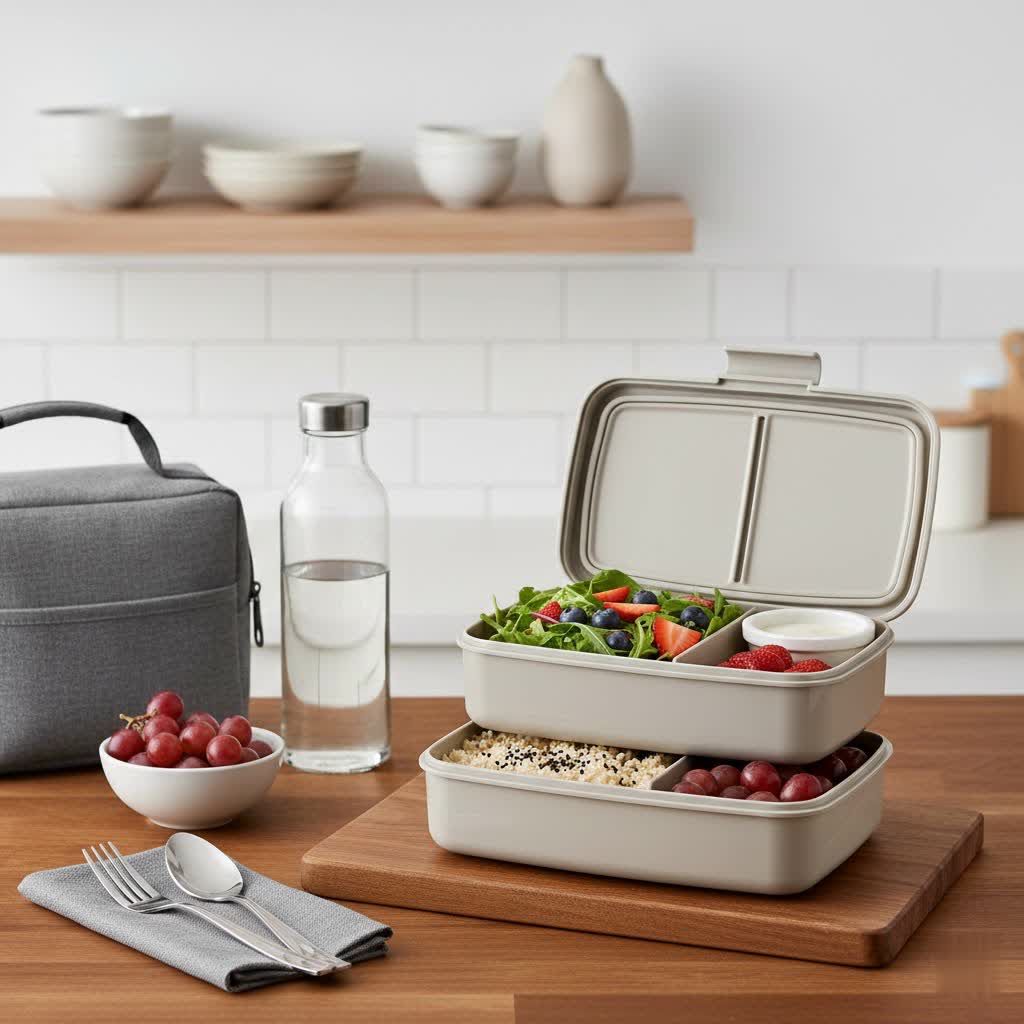
Do you often find yourself looking forward to a refreshing lunch, only to discover it’s lukewarm and unappetizing? In today’s fast-paced world, maintaining the ideal temperature for your meals on the go is more than a luxury—it’s a necessity for food safety, health, and enjoyment. Whether you’re commuting to work, sending kids to school, or heading out for an adventure, a Cooler Lunch Box is your secret weapon for ensuring every bite is as fresh and delicious as when it left your kitchen. This comprehensive guide will explore everything you need to know about cooler lunch boxes, helping you choose the perfect companion for your daily dining needs.
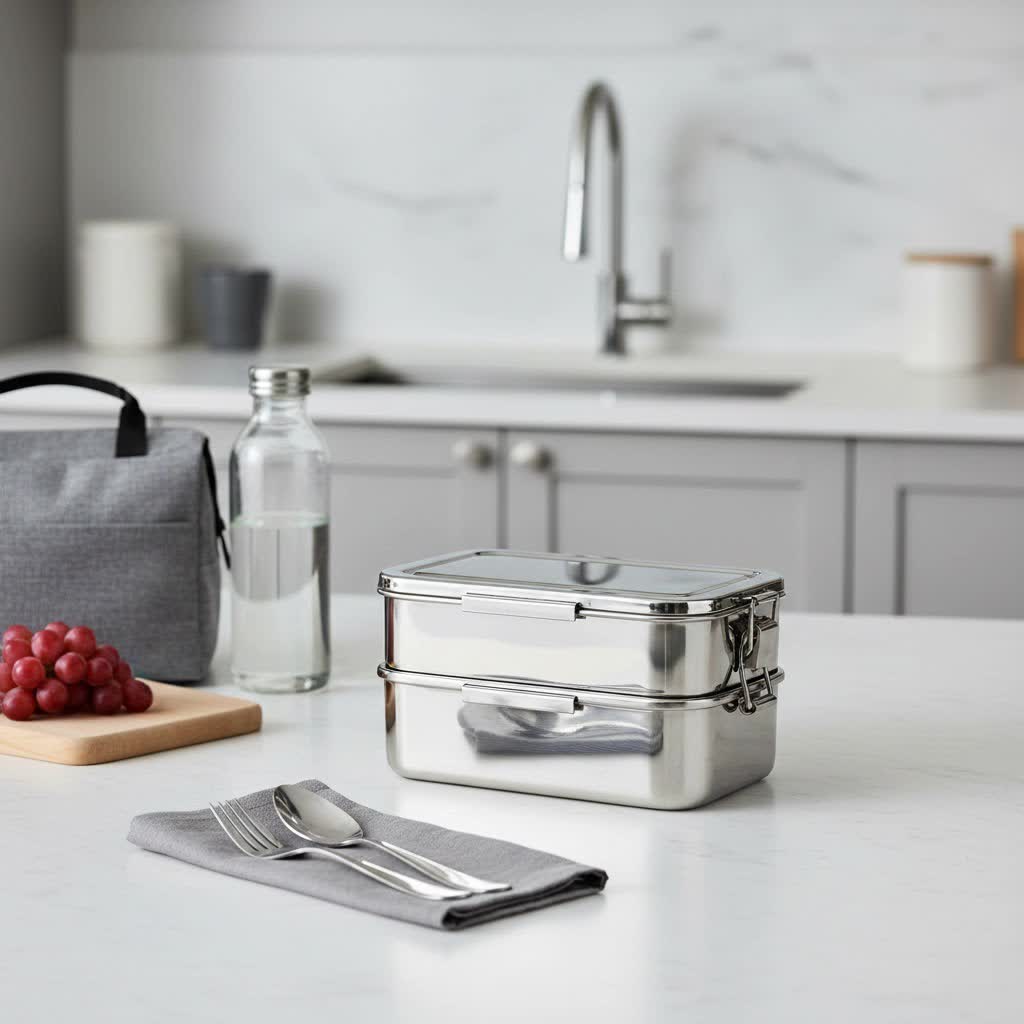
What is a Cooler Lunch Box?
At its core, a cooler lunch box is an insulated container designed to maintain the temperature of its contents, primarily keeping food and drinks cold for extended periods. Unlike traditional lunch pails, which offer minimal temperature control, cooler lunch boxes feature specialized insulation layers that slow down heat transfer, preserving freshness and preventing spoilage.
The concept of keeping food cool on the go has evolved significantly. Early versions were simple metal boxes, but as technology advanced, so did insulation methods. Today’s cooler lunch boxes incorporate materials and designs that can keep items chilled for several hours, making them indispensable for anyone who packs meals away from home. These modern solutions range from compact bags to robust, hard-sided containers, each offering unique benefits for different lifestyles.
Why You Need a Cooler Lunch Box
Investing in a cooler lunch box offers a multitude of benefits that extend beyond just keeping your sandwich cool.
- Food Safety and Freshness: The most crucial benefit is safeguarding your food. Perishable items like dairy, cooked meats, and certain fruits and vegetables can quickly enter the “danger zone” (between 40°F and 140°F, or 4°C and 60°C) where harmful bacteria multiply rapidly. A cooler lunch box keeps your food below this threshold, ensuring it remains safe and fresh until lunchtime.
- Health and Nutrition Control: Packing your own meals allows you to control ingredients, portion sizes, and nutritional content. This is especially vital for those with dietary restrictions or health goals, helping you avoid unhealthy temptations and stick to your wellness plan.
- Cost Savings: Eating out, even occasionally, adds up quickly. Bringing a packed lunch consistently can lead to significant financial savings over time, freeing up your budget for other priorities.
- Environmental Impact: By opting for a reusable cooler lunch box, you dramatically reduce your reliance on single-use plastic bags, disposable containers, and wasteful packaging, contributing positively to environmental conservation efforts.
- Convenience and Versatility: Cooler lunch boxes offer unparalleled convenience. They are perfect for a variety of scenarios: from daily work and school routines to picnics in the park, beach trips, hiking adventures, or long road trips. Many models are designed for easy portability, featuring comfortable handles or shoulder straps.
Popular Types of Cooler Lunch Boxes on the Market
The market for cooler lunch boxes is diverse, offering options tailored to every need and preference. They can broadly be categorized by their material, design, and functionality.
By Material and Construction
The material dictates much about a cooler lunch box’s durability, insulation efficiency, and portability.
- Soft-Sided Cooler Lunch Boxes: These are typically made from durable fabrics like polyester or nylon, often with a waterproof lining (such as PEVA or EVA) and foam insulation.
- Pros: Lightweight, flexible, often collapsible for easy storage, comfortable to carry, and generally more affordable.
- Cons: Less rigid, offering minimal protection against crushing, and typically provide shorter cold retention compared to hard-sided options.
- Hard-Sided Cooler Lunch Boxes: Constructed from rigid plastics, these are built for robustness and superior insulation.
- Pros: Extremely durable, excellent protection for contents, often feature thicker insulation for extended cold retention, and can sometimes double as a seat.
- Cons: Bulkier, heavier, less flexible, and generally more expensive.
- Hybrid Cooler Lunch Boxes: These aim to combine the best of both worlds, often featuring a soft exterior with a more rigid, insulated inner liner or base.
- Pros: Good balance of portability and durability, decent cold retention.
- Cons: Can still be a bit bulky and may not offer the extreme cold retention of premium hard-sided coolers.
- Insulation Types: Regardless of the exterior, the insulation material is key. Common types include closed-cell foam (providing good thermal resistance), gel packs (often integrated or removable), and sometimes even vacuum insulation for high-performance models.
|
Our Picks for the Best Lunch Box in 2026
We may earn a commission when you use one of our links to make a purchase.
|
||
| Num | Product | Action |
|---|---|---|
| 1 | Lifewit Medium Lunch Bag Insulated Lunch Box Soft Cooler Cooling Tote for Adult Men Women, Gray 12-Can (9L) |

|
| 2 | Lifewit Medium Lunch Bag Insulated Lunch Box Soft Cooler Cooling Tote for Adult Men Women, Dark Gray 12-Can (9L) |
|
| 3 | Carhartt Camping Cooler, Worksite Lunchbox, Soft Shell Lunch Bag for Construction Sites, Work and Everyday Use, Black |
|
| 4 | DUPASU Electric Lunch Box Food Warmer: 100W Heated Lunch Box for Adults, 1.8L Portable Fast Heating Lunchbox Food Heater for Car, Truck, Work, Travel, Lonchera Elctrica Porttil 12/24V/110-230V |
|
| 5 | Bento Box Adult Lunch Box, Containers for Adults Men Women with 4 Compartments, Lunchable Food Container with Utensils, Sauce Jar, Muffin Liners, 40 Oz/5 Cup, Microwave & Dishwasher Safe, Brown |
|
| 6 | Lifewit Medium Lunch Bag Insulated Lunch Box Soft Cooler Cooling Tote for Adult Men Women, Burgundy 12-Can (9L) |
|
| 7 | Lunch Bag Women Girls Boys Kids Lunch Box for Men School Work Picnic Travel, Large Insulated Lunch Tote Bags for Food Container Cooler with Water Bottle Holder Handheld Shoulder Strap Black A |
|
| 8 | Lifewit Large Lunch Bag Insulated Lunch Box Soft Cooler Cooling Tote for Adult Men Women, Dark Blue 12-Can (9L) |
|
| 9 | Lifewit Medium Lunch Bag Insulated Lunch Box Soft Cooler Cooling Tote for Adult Men Women, Dark Green 12-Can (9L) |
|
| 10 | Lifewit Medium Lunch Bag Insulated Lunch Box Soft Cooler Cooling Tote for Adult Men Women, Black 12-Can (9L) |
|
By Design and Features
Beyond material, the design significantly impacts usability and organization.
- Single-Compartment: A straightforward design with one main insulated space. Simple and effective for basic packing needs.
- Multi-Compartment: Features separate insulated sections, allowing you to organize different food items, keep them at varying temperatures, or prevent items from getting squished.
- With Pockets and Organizers: Many cooler lunch boxes include external mesh pockets for water bottles, zippered pockets for utensils, napkins, or small snacks, enhancing overall utility.
- Carrying Options: Common designs include top grab handles, adjustable shoulder straps, or even backpack styles for hands-free carrying, catering to different commuting styles.
- Leakproof Seals: Essential for preventing spills. Look for designs with tight-sealing zippers or roll-top closures, particularly in soft-sided models.
By Functionality
Some cooler lunch boxes offer specialized functions to meet specific needs.
- Basic Insulated: Designed simply to keep food cold with ice packs or frozen items.
- Freezable Lunch Boxes: These have built-in freezable gel packs within their walls, eliminating the need for separate ice packs. You simply freeze the entire bag overnight.
- Electric Cooler Lunch Boxes: Less common for individual meals but available, these plug into a car’s 12V outlet or a wall socket to actively cool or even warm food. Ideal for long drives or jobs without refrigeration.
Comparing Cooler Lunch Boxes: What to Look For
Choosing the right cooler lunch box involves weighing several factors to match it with your specific lifestyle and requirements.
When evaluating options, consider the following:
- Insulation Performance: How long does it keep food cold? This is often measured in hours. Premium models can maintain cold temperatures for 8-12 hours or even longer, while basic ones might last 3-5 hours. Look for test results or user reviews that speak to actual cold retention.
- Capacity and Size: What do you typically pack? A small, compact box is fine for a sandwich and a fruit, but if you carry multiple containers, snacks, and drinks, you’ll need a larger capacity. Ensure it fits comfortably into your backpack, work bag, or car space.
- Durability and Materials: A good cooler lunch box should withstand daily wear and tear. Look for robust exterior fabrics, strong zippers, reinforced seams, and quality linings. For hard-sided options, examine the plastic for sturdiness. Always check that internal linings are food-safe and preferably BPA-free.
- Ease of Cleaning: Spills happen. An interior that is easy to wipe clean, preferably with a seamless or well-sealed liner, will save you a lot of hassle and prevent odors or mold build-up. Removable liners are a bonus.
- Portability: How will you carry it? A comfortable handle or a well-padded, adjustable shoulder strap can make a big difference, especially if you have a longer commute or carry other items.
- Price: Cooler lunch boxes range widely in price. Determine your budget and balance it with the features and performance you need. Sometimes, spending a bit more on a durable, high-performing model can be a better long-term investment.
How to Choose the Perfect Cooler Lunch Box for Your Needs
With so many options, finding “the one” can feel daunting. Here’s a structured approach to help you make an informed decision:
Assess Your Daily Routine
- Who is it for? An adult’s work lunch, a child’s school meal, or a family picnic? This impacts size, durability, and ease of use.
- How long do you need items to stay cold? A few hours for an office job versus a 12-hour construction shift or a day-long outing will require different insulation levels.
- Where will you be using it? An air-conditioned office vs. an outdoor job site or a sunny beach determines the required insulation strength.
Consider Capacity and Contents
- What type of food will you pack? Will you need space for bulky containers, multiple small snacks, a thermos, or several drinks?
- How much food? Estimate the volume needed to ensure all your essentials fit without being cramped or squished.
Prioritize Material and Insulation
- Soft-sided is ideal for those who value flexibility, lightweight design, and easy storage. They are perfect for daily use where extreme cold retention isn’t a primary concern.
- Hard-sided is the go-to for maximum durability, superior protection, and extended cooling performance. Choose these for rugged environments or when you need food to stay cold all day.
- Ensure the lining is leakproof and food-safe, ideally BPA-free, to prevent contamination and spills.
Look for User-Friendly Features
- Pockets: External pockets for water bottles, internal mesh pockets for ice packs, or zippered compartments for utensils and napkins add immense value.
- Carrying comfort: Padded handles, adjustable shoulder straps, or backpack designs improve portability.
- Easy access: Wide openings, smooth zippers, or secure roll-top closures make packing and unpacking effortless.
Read Reviews and Check Safety Standards
- User feedback: Reading reviews from other users can provide real-world insights into a product’s performance, durability, and any potential quirks.
- Safety certifications: Look for indications that the materials used are food-grade and free from harmful chemicals like BPA.
Top Recommended Cooler Lunch Boxes
Based on widespread popularity, user reviews, and effective insulation technology, certain types of cooler lunch boxes consistently rise to the top. While specific brands and models may vary, understanding the categories they represent can guide your choice.
- For All-Day Cold Retention: Look for premium hard-sided coolers or soft-sided bags with exceptionally thick insulation and robust zippers. These are often designed with outdoor enthusiasts or demanding work environments in mind, prioritizing extended ice retention over ultimate portability.
- For Portability and Flexibility: Soft-sided lunch bags with comfortable shoulder straps or backpack designs are highly favored. They are lightweight, often collapsible, and can easily adapt to various carrying styles, making them ideal for daily commutes and light travel.
- For Kids: The best options for children often feature durable, easy-to-clean materials, multiple compartments to keep different food types separate, and fun designs. Features like leakproof seals and easy-to-open clasps are crucial.
- Budget-Friendly Options: There are many affordable cooler lunch bags that still offer decent insulation for a few hours. These are excellent choices for casual users who need a basic, reliable way to keep their lunch cool without breaking the bank.
Maximize Freshness: Cleaning and Maintenance Tips
Proper care is essential to extend the lifespan of your cooler lunch box and ensure it remains hygienic for your food.
- Daily Cleaning: After each use, empty all contents and wipe the interior with a damp cloth and mild soap. For soft-sided bags, ensure you dry the interior thoroughly to prevent mold and mildew. A mixture of equal parts water and white vinegar can help sanitize and remove lingering odors.
- Deep Cleaning: Periodically, especially if spills occur, give your lunch box a more thorough cleaning. For hard-sided coolers, you can often wash them in a sink with warm soapy water. For soft bags, check manufacturer instructions; some are machine washable, while others require hand washing.
- Odor Removal: If odors persist, place an open container of baking soda inside the empty, dry lunch box overnight. You can also wipe the interior with a lemon juice solution.
- Storage Tips: Always ensure your cooler lunch box is completely dry before storing it. Leave zippers slightly open or prop open the lid for hard-sided coolers to allow for air circulation and prevent moisture buildup, which can lead to mildew.
- Using Ice Packs Effectively: For optimal cooling, use enough ice packs to fill any empty space. Place them on top and around perishable items. Pre-chilling your cooler lunch box before packing can also significantly improve cold retention.
“A well-maintained cooler lunch box is not just an accessory; it’s an investment in your health and daily well-being.”
Conclusion
A high-quality cooler lunch box is an invaluable tool for anyone looking to enjoy fresh, healthy, and safe meals away from home. From ensuring food safety to saving money and reducing environmental impact, the benefits are clear. By understanding the different types, key features, and maintenance practices, you can confidently select a cooler lunch box that perfectly aligns with your needs and lifestyle. No more lukewarm leftovers or sad, squished sandwiches—just perfectly chilled, delicious meals every time. What will you pack in your cooler lunch box tomorrow?
Frequently Asked Questions
How long can a cooler lunch box typically keep food cold?
The duration depends on the type of insulation, the quality of the cooler, ambient temperature, and whether ice packs are used. Basic soft-sided bags might keep food cold for 3-5 hours, while premium hard-sided coolers can maintain temperatures for 8-12 hours or even longer.
Are all cooler lunch boxes leakproof?
No, not all cooler lunch boxes are entirely leakproof. While many feature water-resistant linings, true leakproof designs usually boast sealed zippers or robust, interlocking lids common in hard-sided models to prevent any liquid from escaping or entering.
Can I put hot food in a cooler lunch box?
While some insulated lunch boxes are designed to retain both hot and cold temperatures, most are optimized for cooling. If you intend to pack hot food, ensure the product specifically states it is suitable for hot items, often indicating thermal insulation capable of holding warmth.
How do I prevent mold and odors in my cooler lunch box?
To prevent mold and odors, always empty and wipe down the interior of your cooler lunch box with a damp, soapy cloth after each use. Ensure it is completely dry before storing, perhaps by leaving it open overnight or using a baking soda sachet to absorb moisture and smells.
Are eco-friendly cooler lunch box options available?
Yes, many brands now offer eco-friendly cooler lunch boxes made from recycled materials, such as rPET (recycled polyethylene terephthalate) fabrics. These options contribute to reducing plastic waste while still providing effective insulation.