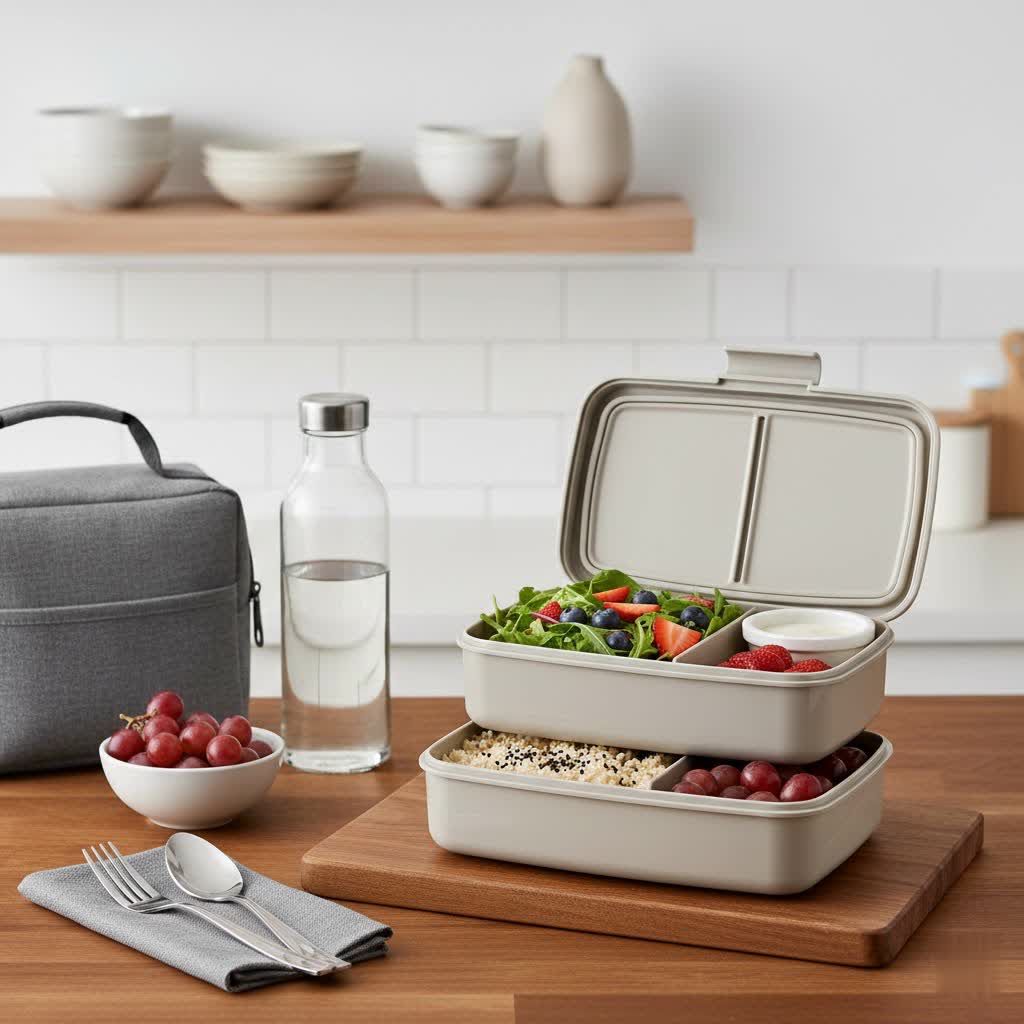
Are you tired of sad, squished sandwiches or lukewarm leftovers at midday? For many men, the lunch break is a vital recharge, and what you carry your meal in can make all the difference. Beyond a simple container, a quality lunch box is an investment in your daily routine, impacting everything from your budget and health to your mood and productivity. From the construction site to the corporate office, or even a weekend adventure, the right lunch box combines durability, thermal performance, and smart design to ensure your food stays fresh, protected, and ready to enjoy.
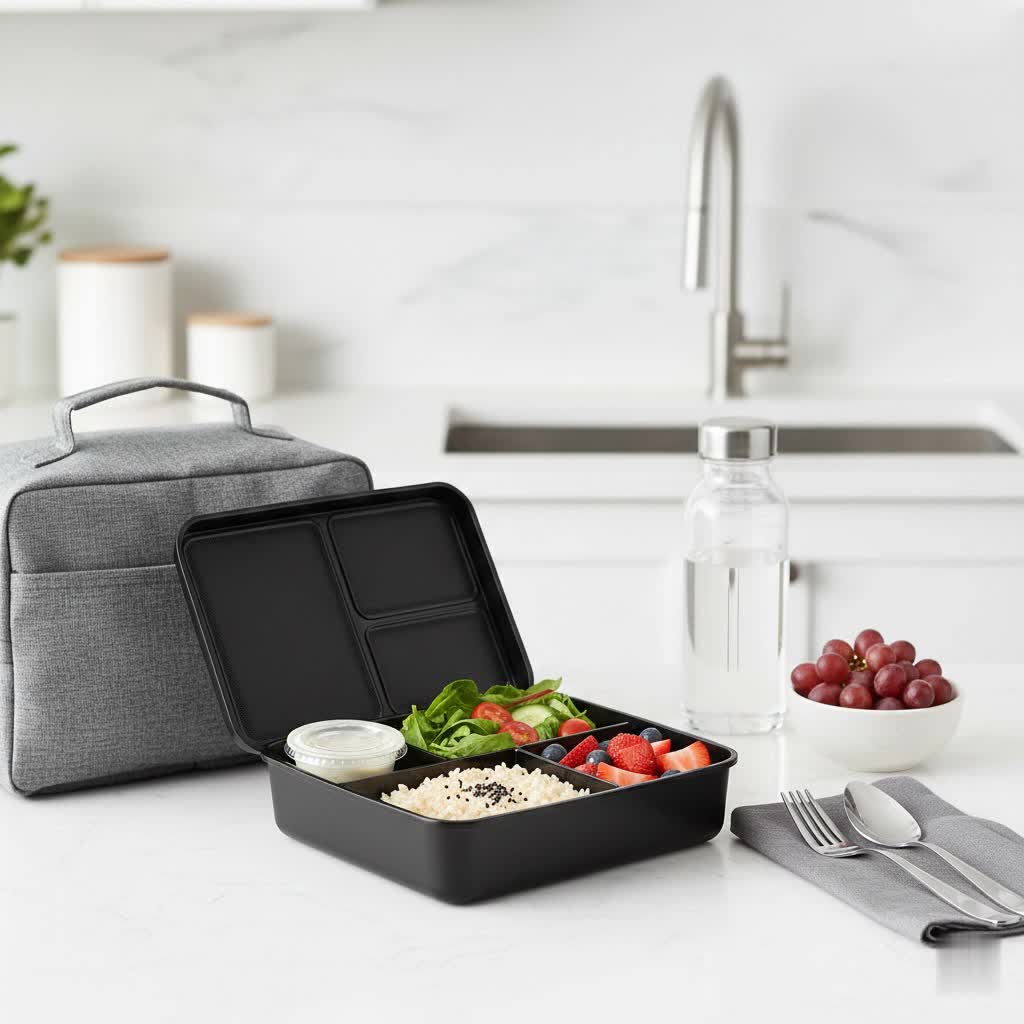
Choosing the ideal men’s lunch box might seem straightforward, but with an array of materials, designs, and features available, it can quickly become overwhelming. This comprehensive guide will navigate you through the world of lunch boxes, helping you understand their evolution, the benefits of making your own meals, and how to select a companion that truly fits your lifestyle.
What is a Lunch Box?
At its core, a lunch box is a portable container designed to carry food and beverages. While its humble origins trace back to simple metal pails or wooden boxes for laborers, the concept has evolved dramatically. Modern lunch boxes are sophisticated solutions, far removed from the brown paper bags of old or even the cartoon-emblazoned tins of childhood. Today, they are engineered to meet diverse needs, incorporating advanced insulation, modular compartments, and ergonomic designs.
Historically, lunch boxes served a purely functional purpose: keeping a meal safe during transport. Over time, as lifestyles changed and meal preferences diversified, so did the lunch box. The iconic metal designs gave way to plastic, then to insulated bags, and now a blend of innovative materials that prioritize convenience, hygiene, and thermal efficiency. Today’s market offers everything from rugged hard-shell coolers to sleek bento-style containers, each catering to different demands and preferences.
Why Use a Lunch Box?
Bringing your own lunch isn’t just a habit; it’s a strategic choice that offers a multitude of benefits. If you’ve been relying on takeout or expensive cafeteria meals, embracing a lunch box can revolutionize your daily routine.
Firstly, using a lunch box is a significant cost-saver. Buying lunch daily can quickly deplete your wallet, often adding up to hundreds of dollars a month. Preparing meals at home and packing them saves you money that can be put towards other goals.
Secondly, it gives you complete control over your nutrition. You dictate the ingredients, portion sizes, and preparation methods, ensuring your meals are healthy, balanced, and align with your dietary goals. No more guessing about hidden sugars, unhealthy fats, or excessive sodium.
Thirdly, opting for a reusable lunch box actively contributes to environmental protection. By reducing your reliance on single-use plastics, disposable containers, and paper bags, you minimize waste and shrink your ecological footprint. It’s a simple yet impactful way to support sustainability.
Finally, a well-chosen lunch box offers unmatched convenience and flexibility. Whether you’re stuck in meetings, on a long drive, or working outdoors, your meal is always ready when you are. No need to search for food options or wait in lines – simply open your lunch box and enjoy.
Popular Types of Lunch Boxes on the Market
The variety of lunch boxes available today is vast, each designed with specific applications and user preferences in mind. Understanding the different categories can help you narrow down your choices.
By Material
The material of your lunch box dictates its durability, insulation properties, weight, and even how you can clean and use it.
- Plastic Lunch Boxes: These are generally lightweight and affordable. Modern plastic lunch boxes are often made from BPA-free materials, ensuring food safety. While convenient, they may not offer the same level of insulation or long-term durability as other options and can sometimes retain food odors or stains.
- Stainless Steel Lunch Boxes: A popular choice for their robustness and sleek appearance, stainless steel containers are highly durable, rust-resistant, and won’t leach chemicals into your food. They are also easy to clean and often dishwasher-safe. However, they can be heavier than plastic, and typically cannot be used in a microwave.
- Glass Lunch Boxes: Borosilicate glass containers are excellent for reheating food directly in a microwave or oven (without the lid), and they don’t absorb odors or stains. They offer a clear view of your meal and are generally considered highly safe and hygienic. The main drawback is their weight and fragility, making them less ideal for rugged environments.
- Insulated Fabric Lunch Bags: These flexible bags, often made from polyester, nylon, or waxed canvas, feature thermal insulation layers (like foam or foil lining) to keep food hot or cold for several hours. They are lightweight, often collapsible for easy storage, and come in various styles. While great for temperature control, they usually require separate containers for food and may not be fully leak-proof for liquids without proper inner containers.
|
Our Picks for the Best Lunch Box in 2026
We may earn a commission when you use one of our links to make a purchase.
|
||
| Num | Product | Action |
|---|---|---|
| 1 | Bento Box Adult Lunch Box, Containers for Adults Men Women with 4 Compartments, Lunchable Food Container with Utensils, Sauce Jar, Muffin Liners, 40 Oz/5 Cup, Microwave & Dishwasher Safe, Brown |

|
| 2 | Lifewit Medium Lunch Bag Insulated Lunch Box Soft Cooler Cooling Tote for Adult Men Women, Dark Gray 12-Can (9L) |
|
| 3 | Carhartt Camping Cooler, Worksite Lunchbox, Soft Shell Lunch Bag for Construction Sites, Work and Everyday Use, Black |
|
| 4 | Lifewit Medium Lunch Bag Insulated Lunch Box Soft Cooler Cooling Tote for Adult Men Women, Dark Green 12-Can (9L) |
|
| 5 | Lifewit Medium Lunch Bag Insulated Lunch Box Soft Cooler Cooling Tote for Adult Men Women, Burgundy 12-Can (9L) |
|
| 6 | Lifewit Medium Lunch Bag Insulated Lunch Box Soft Cooler Cooling Tote for Adult Men Women, Gray 12-Can (9L) |
|
| 7 | Lunch Bag Women Girls Boys Kids Lunch Box for Men School Work Picnic Travel, Large Insulated Lunch Tote Bags for Food Container Cooler with Water Bottle Holder Handheld Shoulder Strap Black A |
|
| 8 | DUPASU Electric Lunch Box Food Warmer: 100W Heated Lunch Box for Adults, 1.8L Portable Fast Heating Lunchbox Food Heater for Car, Truck, Work, Travel, Lonchera Elctrica Porttil 12/24V/110-230V |
|
| 9 | Lifewit Large Lunch Bag Insulated Lunch Box Soft Cooler Cooling Tote for Adult Men Women, Dark Blue 12-Can (9L) |
|
| 10 | Lifewit Medium Lunch Bag Insulated Lunch Box Soft Cooler Cooling Tote for Adult Men Women, Black 12-Can (9L) |
|
By Design
Beyond materials, the internal and external design plays a crucial role in usability and organization.
- Single Compartment Lunch Boxes: Simple and spacious, these are ideal for larger meals or those who prefer to pack their food in individual containers inside the main box. They offer maximum flexibility for what you can carry.
- Multi-Compartment Lunch Boxes (Bento Boxes): Designed for organized meal prepping, bento boxes feature multiple separated sections, allowing you to pack different food items without them mixing. This is perfect for balanced meals with a main course, sides, and snacks, promoting portion control and food variety.
- Lunch Boxes with Tight-Sealing Lids: Essential for preventing spills and leaks, especially when carrying liquids like soups or sauces. Look for silicone gaskets or robust locking mechanisms.
- Lunch Boxes with Carrying Options: Many lunch bags and some hard boxes come with integrated handles, adjustable shoulder straps, or even backpack-style designs for easy portability, catering to different commuting styles.
By Function
Specialized functions can enhance the utility of your lunch box, addressing specific needs like heating or extended cooling.
- Heated Lunch Boxes: Also known as electric lunch boxes, these plug into a wall outlet or a car’s 12V adapter, allowing you to warm your food without a microwave. They are a game-changer for those working in environments without kitchen facilities or on the go.
- Thermal/Insulated Lunch Boxes: Designed primarily to maintain food temperature, these can keep meals hot or cold for extended periods. They often feature robust insulation and may include space for ice packs or hot packs.
- Microwave-Safe Lunch Boxes: While glass and some plastic containers are microwave-safe, always check the product specifications. This feature is critical for convenient reheating at work or school.
- Leak-Proof/Spill-Proof Lunch Boxes: A must-have feature for anyone who dreads discovering a messy bag. Look for strong seals, secure latches, and high-quality construction.
Comparing Different Lunch Box Types
To help you make an informed decision, here’s a comparative overview of common lunch box types:
| Feature | Plastic Lunch Box | Stainless Steel Lunch Box | Glass Lunch Box | Insulated Fabric Lunch Bag |
|---|---|---|---|---|
| Material | BPA-free plastic | Food-grade stainless steel | Borosilicate glass with plastic/silicone lid | Polyester, nylon, waxed canvas with insulation |
| Durability | Good, but can crack/stain over time | Excellent, virtually indestructible | Good, but fragile if dropped | Good, tear-resistant, but can wear at seams |
| Insulation | Minimal, relies on external insulation | Minimal, relies on external insulation | Minimal, relies on external insulation | Excellent (keeps hot/cold for hours) |
| Microwave Safe | Yes (check specific product) | No | Yes (without lid) | No |
| Oven Safe | No | No | Yes (without lid) | No |
| Leak-Proof | Varies, look for good seals | Good, with silicone seal lids | Excellent, with secure lids | Less inherent, relies on inner containers |
| Weight | Lightweight | Heavier | Heaviest | Lightweight |
| Ease of Cleaning | Good, can sometimes stain | Excellent, dishwasher safe | Excellent, no stains/odors | Varies, usually wipe clean, some machine washable |
| Price Range | Low to Mid | Mid to High | Mid to High | Low to Mid |
| Pros | Affordable, lightweight, often compartmentalized | Extremely durable, non-toxic, stylish, easy to clean | Healthy, clear, microwave/oven safe, no odors/stains | Excellent thermal performance, flexible, often collapsible |
| Cons | Can stain, less durable, potential for odor retention | Heavier, no microwave, can dent | Fragile, heavy | Less structural protection, may require additional containers |
How to Choose the Right Lunch Box for You
Selecting the perfect lunch box requires a thoughtful assessment of your daily habits, needs, and personal preferences. It’s about finding a balance between practicality, performance, and style.
Determine Your Usage Needs
Before diving into features, consider how and where you’ll be using your lunch box.
- What kind of food do you pack? If you often bring soups or stews, a highly leak-proof design is paramount. If it’s mostly sandwiches and snacks, structural integrity to prevent crushing might be more important.
- What capacity do you need? Are you packing a light lunch or a hearty meal with multiple containers and snacks? Consider the volume in liters or quarts.
- Which features are essential? Do you need to keep food hot or cold for hours? Is microwave reheating a must? Do you prefer multiple compartments for meal separation?
Prioritize Safe and Durable Materials
Invest in a lunch box made from food-grade, non-toxic materials.
- For plastics, always look for “BPA-free” labels to avoid harmful chemicals.
- Stainless steel (e.g., 18/8 grade) and borosilicate glass are excellent, inert options that won’t react with food or retain flavors.
- For insulated bags, check for durable outer fabrics like ballistic nylon or waxed canvas, and food-safe inner linings that are easy to wipe clean.
“Durability is key for a lunch box that withstands daily wear and tear, especially for those in demanding professions.” – John Smith, Industrial Design Expert
Select a Convenient Design
A well-designed lunch box simplifies your daily routine.
- Ease of use: Can you easily open and close it, even with one hand? Is it simple to disassemble and clean? Dishwasher-safe components are a huge plus.
- Portability: Does it have a comfortable handle or a shoulder strap if you carry it long distances? Does it fit well within your backpack or work bag?
- Leak Resistance: This cannot be overstated. Look for strong seals and locking mechanisms to prevent spills.
- Aesthetics: Your lunch box is an extension of your personal style. Choose a design and color that you’ll be happy to carry daily.
Check User Reviews and Ratings
Before making a final decision, always read reviews from other users. Real-world feedback can provide invaluable insights into a product’s actual performance, durability, and any common issues. Look for comments on insulation effectiveness, leak-proof claims, ease of cleaning, and overall satisfaction. Sites like HiConsumption and Men’s Health often provide thorough reviews and comparisons.
Top 7 Men’s Lunch Boxes for 2026
Based on durability, insulation, functionality, and user acclaim, here are some of the top lunch boxes currently favored by men:
- Carhartt Deluxe Dual Compartment Insulated Lunch Cooler Bag: Renowned for its rugged durability, the Carhartt lunch cooler features two insulated compartments, a top handle, and a shoulder strap. Its Rain Defender water-repellent fabric makes it a top choice for outdoor work or demanding environments.
- Yeti Daytrip Lunch Bag: A premium option, the Yeti Daytrip excels in thermal performance with its Coldcell Flex Insulation. It’s known for its incredibly tough exterior, leak-proof zipper, and magnetic Thermo-Snap Closure, keeping food perfectly chilled for hours.
- Stanley Classic 10-Quart Lunch Box: This iconic metal lunch box offers a timeless, industrial aesthetic combined with robust construction. It’s spacious and can accommodate a thermos inside, making it ideal for those who prefer classic durability and ample capacity.
- Hydro Flask Large Insulated Lunch Bag: Known for its excellent temperature retention, this insulated bag from Hydro Flask is a reimagining of the classic square lunch box. It’s lightweight, easy to carry, and features durable materials, making it a reliable choice for daily use.
- Pelican Elite 8 Quart Personal Cooler: For ultimate protection and extreme insulation, the Pelican Elite cooler is a hard-sided option that can withstand harsh conditions. It’s perfect for those who need to keep food and drinks cold for extended periods in tough environments.
- Monbento MB Original (Bento Box): If organization and portion control are priorities, the Monbento offers a sleek, multi-tiered design with separate compartments. It’s often microwave and dishwasher safe, making it a stylish and practical choice for office workers.
- Thermos Stainless King 16 Ounce Food Jar: While not a “box,” this thermal food jar is a perfect companion for men who enjoy hot soups, chili, or pasta. It keeps food hot for up to 9 hours and cold for up to 14 hours, with an integrated serving bowl and spoon.
Cleaning and Maintaining Your Lunch Box
Proper cleaning and maintenance are crucial for extending the lifespan of your lunch box and ensuring food safety. Neglecting this can lead to unpleasant odors, bacterial growth, and material degradation.
- Daily Cleaning: After each use, empty all food remnants. For most materials (plastic, stainless steel, glass), wash with warm, soapy water. Use a bottle brush for hard-to-reach corners. Rinse thoroughly and allow to air dry completely before storing to prevent mold and mildew. Many components are dishwasher-safe, but always check manufacturer instructions.
- For Insulated Bags: Wipe the interior lining with a damp cloth and mild soap. For stubborn stains or odors, a solution of baking soda and water can be effective. Avoid submerging fabric bags unless specifically stated as machine washable.
- Addressing Odors: If your lunch box develops lingering smells, try placing an open container of baking soda inside overnight. For severe odors, a solution of diluted vinegar can help, followed by thorough rinsing and drying.
- Storage: Store your lunch box open, allowing air to circulate. This prevents moisture buildup and keeps it fresh for the next use. Avoid storing it in humid or confined spaces.
By following these simple steps, your chosen men’s lunch box will remain a reliable and hygienic partner for your meals for years to come.
Conclusion
Choosing the right men’s lunch box is more than just a purchase; it’s an investment in your health, your finances, and your daily convenience. From robust insulated bags that brave construction sites to sleek bento boxes for the corporate world, the options are designed to meet every need and preference. By prioritizing durability, thermal performance, and smart design, you ensure your meals are always fresh, protected, and ready to fuel your day.
Are you ready to elevate your lunch game and find the perfect meal companion that genuinely fits your demanding lifestyle?
Câu Hỏi Thường Gặp
What are the most durable lunch box materials for men?
For ultimate durability, stainless steel and high-grade insulated fabric (like ballistic nylon or waxed canvas) are excellent choices. Hard-sided coolers from brands like Pelican also offer extreme protection against impacts and harsh conditions, making them ideal for demanding environments.
Can men’s lunch boxes keep food hot?
Yes, many men’s lunch boxes and bags are designed with excellent thermal insulation to keep food hot for several hours. Look for insulated fabric bags with thick foam liners or dedicated thermal food jars like those from Thermos, which are specifically engineered for superior heat retention.
Are multi-compartment lunch boxes practical for men?
Absolutely. Multi-compartment designs, often found in bento boxes or modular plastic containers, are highly practical for men who prefer to pack varied meals, control portion sizes, and keep different food items separated. They prevent food from mixing and make meal prep more organized.
How do I prevent my lunch box from leaking?
To prevent leaks, choose lunch boxes with secure, airtight seals, often featuring silicone gaskets and strong locking latches. For insulated bags, always use leak-proof inner containers for liquids to avoid spills that could soak through the bag’s fabric.
What size lunch box is best for a man’s lunch?
The best size depends on your meal volume. For a typical hearty lunch, a capacity of 6-8 liters (or approximately 6-8 quarts) is often suitable. If you pack multiple containers, snacks, and a drink, consider larger options or those with expandable features.