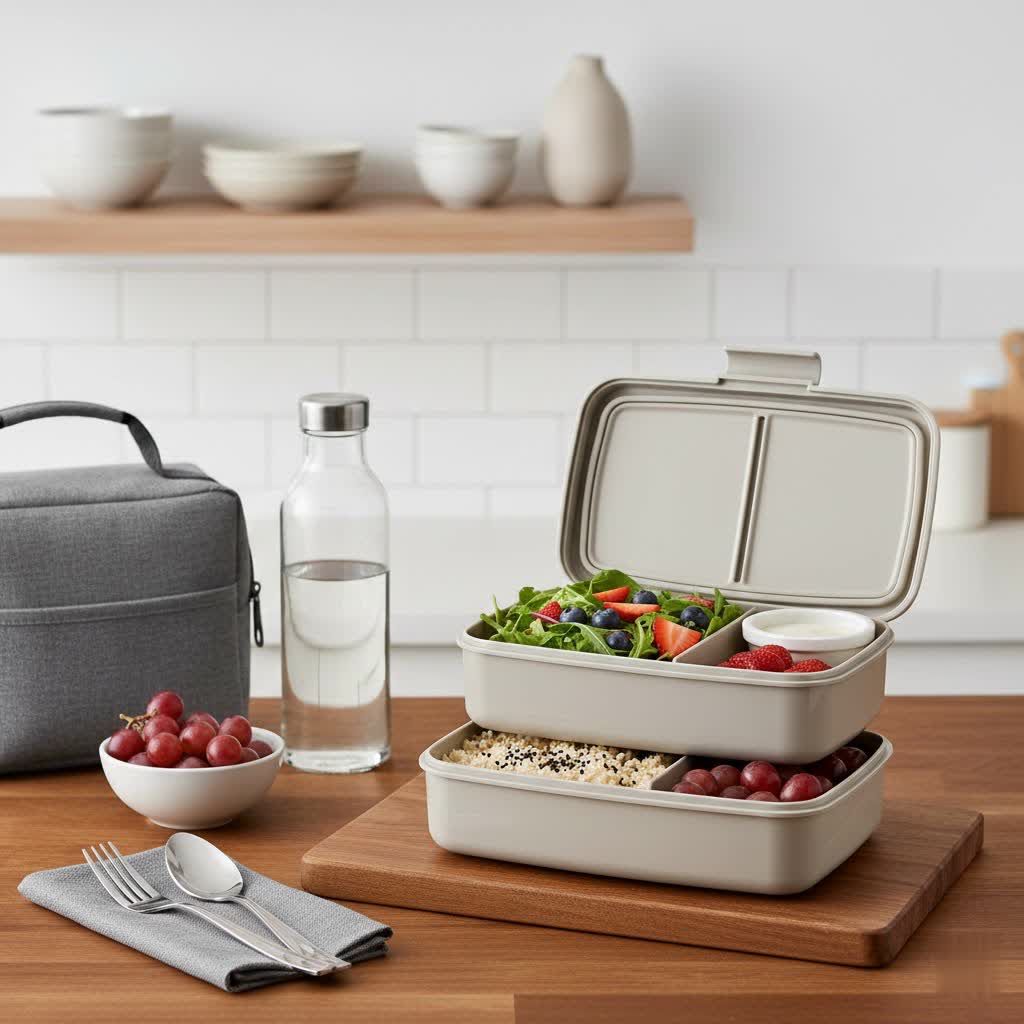
Tired of lukewarm leftovers or the daily hunt for a microwave? Imagine savoring a piping hot, homemade meal wherever your day takes you. Self-heating lunch boxes are revolutionizing mealtime for busy individuals, offering a convenient and healthier alternative to cold sandwiches or expensive takeout. This innovative kitchen gadget allows you to enjoy warm, delicious food, transforming your lunch break from a mundane necessity into a delightful experience.
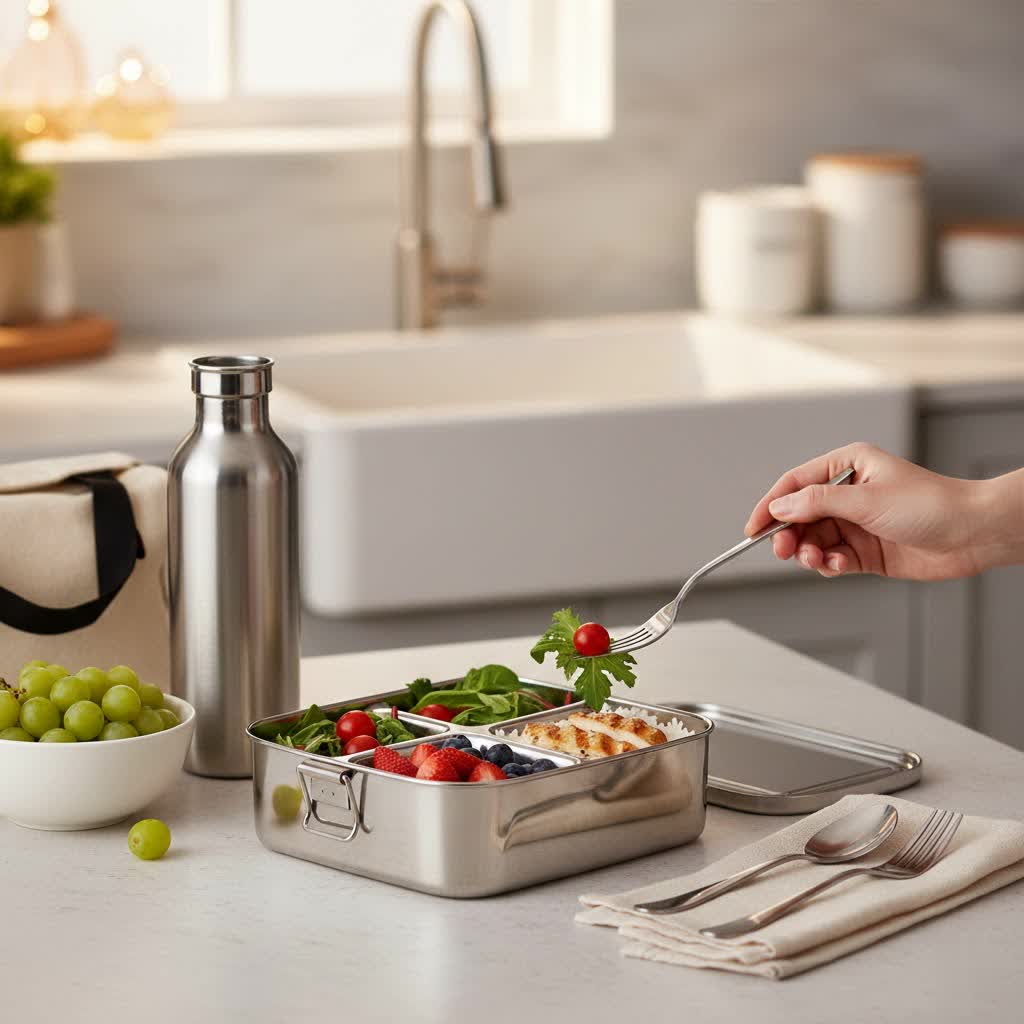
Whether you’re an office worker, a student, a truck driver, or an outdoor enthusiast, a self-heating lunch box could be the perfect companion for your culinary adventures. This comprehensive guide will explore everything you need to know about these clever devices, from how they work and their benefits to the various types available and essential tips for choosing and maintaining one. Let’s unlock the world of warm lunches and discover your ideal mealtime partner!
What is a Self-Heating Lunch Box?
At its core, a self-heating lunch box is a portable, insulated container equipped with a built-in heating mechanism designed to warm your food on demand. Unlike traditional insulated lunch boxes that merely attempt to retain food’s initial temperature, these devices actively generate heat to bring your meal to a satisfying warmth, much like a mini-oven or slow cooker on the go.
The evolution of lunch containers has brought us from simple metal tins to highly advanced systems. Early lunch boxes focused solely on transport and basic insulation. Over time, as lifestyles became more dynamic, the need for heated meals away from home grew. This led to the development of electric lunch boxes, which integrate heating elements directly into the food container.
Today, there are primarily two categories of self-heating lunch boxes: electric and chemical. Electric models use a power source (like a wall outlet, car adapter, or rechargeable battery) to activate an internal heating element, often made of PTC (Positive Temperature Coefficient) material or employing thermal heating technology. Chemical self-heating lunch boxes, more common in some disposable bento styles, use an exothermic chemical reaction (such as quicklime and water) to produce heat and steam, warming the food without any electricity. This technological leap means you no longer have to compromise on the quality or temperature of your lunch, ensuring a fresh-tasting meal every time.
Why Should You Use a Self-Heating Lunch Box?
Embracing a self-heating lunch box offers a wealth of benefits that extend beyond just a warm meal. It’s a lifestyle upgrade that impacts your wallet, health, and daily routine.
First and foremost, cost savings are significant. Preparing meals at home and heating them on the go is considerably cheaper than buying takeout daily. A typical homemade lunch costs a fraction of a restaurant meal, leading to substantial savings over weeks and months. Imagine cutting your lunch expenses by half or more; that money can quickly add up!
Beyond finances, a self-heating lunch box empowers you with greater nutritional control. When you pack your own meals, you know exactly what ingredients are going into your body, avoiding unhealthy additives, excessive salt, or hidden sugars often found in processed foods or restaurant offerings. This makes it easier to stick to dietary goals, manage allergies, or simply eat healthier.
Using reusable self-heating containers also contributes positively to the environment. By reducing your reliance on single-use plastic containers, bags, and disposable cutlery from takeout, you minimize waste and help protect our planet. It’s a small change that makes a big collective difference.
The convenience and flexibility are unparalleled. No more waiting in long lines for the office microwave or settling for a cold, unappetizing meal because no heating options are available. Simply plug in your electric lunch box, or activate your chemical one, and your meal heats up while you continue with your tasks. This makes it ideal for a variety of settings, including offices, construction sites, long commutes, road trips, and outdoor excursions where power outlets might be scarce or non-existent.
Furthermore, these devices excel in food quality. Unlike microwaves, which can unevenly heat food, leaving some spots cold and others rubbery or dried out, self-heating lunch boxes typically use a gentle, even heating process. Many models utilize steam or gradual thermal heating, which helps retain moisture, preserve flavors, and prevent your food from becoming soggy or overcooked.
Finally, they enhance food safety. Maintaining food at safe temperatures is crucial to prevent bacterial growth and spoilage. Traditional lunch boxes often fail to keep food adequately warm or cool, posing health risks. Self-heating lunch boxes, by actively warming your meal to a safe eating temperature, significantly reduce the risk of foodborne illnesses.
Popular Types of Self-Heating Lunch Boxes
The market for self-heating lunch boxes has diversified to meet various needs and preferences. Understanding the different types based on their heating mechanism, material, and design features can help you pinpoint the perfect model.
By Heating Mechanism
- Electric (Plug-in) Lunch Boxes: These are the most common type, requiring an electrical outlet to operate.
- Wall Adapters: Designed for use in offices, homes, or any location with a standard electrical socket (e.g., 110V or 220V, depending on region). They offer consistent heating and are reliable when stationary.
- Car/Truck Adapters: Equipped with 12V or 24V plugs that fit into vehicle cigarette lighter sockets. These are incredibly popular among truck drivers, commuters, and those who work remotely from their vehicles, providing hot meals even on the road. Some models offer dual compatibility, coming with both wall and car adapters.
- Electric (Cordless/Battery-powered) Lunch Boxes: These advanced models integrate rechargeable lithium-ion batteries, offering true portability without being tethered to an outlet during heating.
- They typically require charging beforehand and often feature smart controls, such as app connectivity to schedule heating times, digital displays, and precise temperature settings. While offering ultimate freedom, they tend to be more expensive and have specific battery life considerations.
- Chemical Self-Heating Lunch Boxes: Less common for daily reusable use, these are often found in single-use bento boxes.
- They operate without electricity by triggering an exothermic chemical reaction (e.g., mixing quicklime with water) that generates heat and steam to warm the food. These are ideal for situations with absolutely no power access, but they are disposable after one use.
|
Our Picks for the Best Lunch Box in 2026
We may earn a commission when you use one of our links to make a purchase.
|
||
| Num | Product | Action |
|---|---|---|
| 1 | DUPASU Electric Lunch Box Food Warmer: 100W Heated Lunch Box for Adults, 1.8L Portable Fast Heating Lunchbox Food Heater for Car, Truck, Work, Travel, Lonchera Elctrica Porttil 12/24V/110-230V |

|
| 2 | Bento Box Adult Lunch Box, Containers for Adults Men Women with 4 Compartments, Lunchable Food Container with Utensils, Sauce Jar, Muffin Liners, 40 Oz/5 Cup, Microwave & Dishwasher Safe, Brown |
|
| 3 | Lifewit Medium Lunch Bag Insulated Lunch Box Soft Cooler Cooling Tote for Adult Men Women, Burgundy 12-Can (9L) |
|
| 4 | Lifewit Medium Lunch Bag Insulated Lunch Box Soft Cooler Cooling Tote for Adult Men Women, Dark Green 12-Can (9L) |
|
| 5 | Lifewit Large Lunch Bag Insulated Lunch Box Soft Cooler Cooling Tote for Adult Men Women, Dark Blue 12-Can (9L) |
|
| 6 | Lifewit Medium Lunch Bag Insulated Lunch Box Soft Cooler Cooling Tote for Adult Men Women, Black 12-Can (9L) |
|
| 7 | Lunch Bag Women Girls Boys Kids Lunch Box for Men School Work Picnic Travel, Large Insulated Lunch Tote Bags for Food Container Cooler with Water Bottle Holder Handheld Shoulder Strap Black A |
|
| 8 | Carhartt Camping Cooler, Worksite Lunchbox, Soft Shell Lunch Bag for Construction Sites, Work and Everyday Use, Black |
|
| 9 | Lifewit Medium Lunch Bag Insulated Lunch Box Soft Cooler Cooling Tote for Adult Men Women, Dark Gray 12-Can (9L) |
|
| 10 | Lifewit Medium Lunch Bag Insulated Lunch Box Soft Cooler Cooling Tote for Adult Men Women, Gray 12-Can (9L) |
|
By Material
The material of your lunch box affects durability, heat retention, ease of cleaning, and safety.
- Stainless Steel: Highly popular for its durability, hygiene, and resistance to odors and stains. Stainless steel containers are often removable and dishwasher-safe, making them very easy to clean. They are also non-reactive, ensuring your food’s taste isn’t altered.
- Food-Grade Plastic: Many electric lunch boxes use high-quality, BPA-free plastic for their outer casing and sometimes for inner compartments. Plastic is lightweight and often more affordable. Ensure it’s certified food-grade and heat-resistant. However, some plastics can retain food odors or stain over time.
- Glass (liners): While less common for the main heating component due to weight and fragility, some models feature removable glass inserts. Glass is excellent for purity, doesn’t retain odors or stains, and is often microwave and oven-safe (though not for the electric heating element itself).
By Design & Features
Modern self-heating lunch boxes come with a variety of features to enhance usability and convenience.
- Capacity: Ranges from single-serving (around 0.6-0.8 liters or 20-30 oz) to larger capacities (up to 1.8 liters) suitable for full meals and sides, or even multiple servings.
- Compartments: Many feature multiple compartments or removable dividers to keep different food items separate, preventing flavors from mixing and allowing for a balanced meal.
- Lids: Look for leak-proof designs with secure latches and silicone seals to prevent spills. A steam release valve is crucial to allow pressure to escape during heating.
- Portability: Integrated carry handles or included insulated carry bags make transportation easy and protect the lunch box.
- Smart Features: Advanced models may include digital displays for temperature and time, programmable timers to have your meal ready at a specific hour, and even smartphone app connectivity for remote control and customization.
Comparing Self-Heating Lunch Box Features
Choosing the right self-heating lunch box depends heavily on understanding the trade-offs between different features. Here’s a general comparison to help you evaluate your options:
| Feature | Electric (Plug-in) | Electric (Cordless/Battery) | Chemical (Disposable) |
|---|---|---|---|
| Heating Mechanism | Thermal heating element, sometimes steam-based | Thermal heating element, sometimes steam-based | Exothermic chemical reaction (e.g., quicklime) |
| Power Source | Wall outlet (AC), Car adapter (DC) | Rechargeable Lithium-ion battery | Self-contained chemical pack |
| Material (Inner) | Stainless steel, food-grade plastic | Stainless steel, food-grade plastic | Food-grade plastic |
| Heating Time | 20-55 minutes (can vary by model/wattage) | 20-60 minutes (can vary by model/wattage/battery) | 5-10 minutes (single use) |
| Key Advantages | Reliable power, generally more affordable, dual power options common | Ultimate portability, no power outlet needed, often smart features | Fastest heating, truly independent from power outlets |
| Potential Drawbacks | Requires power outlet or car socket | Higher cost, battery life limits, charging required | Single-use, specific refills needed, can be bulky |
| Typical Wattage | 40-100W | 60-100W | N/A |
| Average Cost | Low to Mid-range | Mid to High-range | Low (per unit) |
How to Choose the Right Self-Heating Lunch Box
Selecting the ideal self-heating lunch box involves a thoughtful assessment of your personal needs, safety priorities, and desired features. Considering these factors will ensure your investment genuinely enhances your mealtime routine.
Assess Your Lifestyle & Needs
Begin by reflecting on how and where you’ll primarily use the lunch box.
- Work Environment: Are you in an office with readily available wall outlets, or do you work in a vehicle (like a truck driver or field technician) where a car adapter is essential? For construction sites or outdoor jobs, a cordless, battery-powered model might be a game-changer, eliminating the need for power access during heating.
- Frequency of Use: Will you be using it daily, or only occasionally for special trips? Daily users might prioritize durability, larger capacity, and advanced features.
- Types of Food: Do you mostly pack soups, stews, pasta, rice dishes, or solid proteins? Some designs are better suited for specific food types, particularly those with multiple compartments or leak-proof seals for liquids.
- Desired Capacity: Consider your typical portion sizes. A single-serving box is fine for individuals, but a larger capacity might be needed if you pack substantial meals or want to bring food for more than one person.
- Specific Features: Do you need a programmable timer, app control, or a “keep warm” function? Prioritize features that align with your daily schedule and preferences. For instance, some users appreciate being able to schedule their meal to be hot exactly at lunchtime, rather than having to remember to plug it in.
Prioritize Safety & Material Quality
Your health and safety should be paramount when choosing a food-related appliance.
- Material Safety: Always opt for products made from food-grade, BPA-free plastics and high-quality stainless steel. These materials are non-toxic and won’t leach harmful chemicals into your food, especially when heated. Stainless steel is often preferred for inner containers due to its durability and ease of cleaning.
- Certifications: Look for safety certifications from recognized bodies. These indicate that the product has met certain safety standards.
- Durability: A well-constructed lunch box will withstand daily wear and tear. Check for sturdy latches, robust hinges, and overall solid build quality.
Consider Design & Usability
The practical design of the lunch box directly impacts your user experience.
- Ease of Cleaning: Removable inner containers that are dishwasher-safe can save you significant time and effort. Non-stick surfaces also contribute to easier cleaning.
- Leak-Proof Design: A secure, airtight seal is crucial to prevent messy spills, especially when transporting liquids like soups or sauces. Look for silicone gaskets and strong locking clips.
- Portability and Size: While you want sufficient capacity, the lunch box should also be a manageable size and weight for carrying. Many models come with insulated carry bags, which can add convenience and protection.
- Temperature Control: Some advanced models offer adjustable temperature settings, allowing you to customize how hot your food gets. This is a valuable feature for delicate dishes or for those who prefer their food at a specific warmth.
Read Reviews and Compare Prices
Before making a final decision, leverage the experiences of other users.
- User Reviews: Thoroughly read reviews on reputable retail sites and product review blogs. Pay attention to consistent feedback regarding heating performance (speed and evenness), durability, battery life (for cordless models), and customer service experiences. Look out for any red flags, such as reports of malfunctions or poor heating.
- Price Comparison: Self-heating lunch boxes vary widely in price based on features, brand, and power source. While higher-priced models often offer more advanced features and better build quality, there are also excellent value options. Compare features across different price points to find the best balance for your budget and needs.
Top Self-Heating Lunch Box Features to Look For
When exploring the market for a self-heating lunch box, certain features stand out for their ability to deliver convenience, efficiency, and a superior user experience. Prioritizing these aspects will help you find a model that truly meets your needs.
- Efficient Heating Technology: Look for systems that promise even and consistent heating. PTC (Positive Temperature Coefficient) heating elements are commonly used for their self-regulating properties, preventing overheating. Steam-based heating is another excellent option, known for keeping food moist and flavorful, avoiding the dry, rubbery texture often associated with microwaves.
- Dual Power Options: For maximum versatility, consider models that include both an AC (wall outlet) adapter and a DC (car/truck adapter). This flexibility allows you to heat your meals at home, in the office, or during commutes and road trips, making the lunch box adaptable to various scenarios.
- Cordless Capability: If absolute freedom from power outlets during heating is a priority, a battery-powered self-heating lunch box is ideal. These models typically feature long-lasting rechargeable batteries and are perfect for outdoor activities, construction sites, or any location where power access is limited. Remember to check the average heating time and battery life per charge.
- Durable & Safe Materials: High-quality food-grade stainless steel for the inner containers is highly recommended. It’s durable, easy to clean, doesn’t retain odors or stains, and is free from harmful chemicals. The outer casing should be made of robust, BPA-free plastic capable of withstanding daily use.
- Leak-Proof Design: A secure, airtight lid with reliable latches and a silicone seal is non-negotiable, especially if you plan to carry liquid-rich meals like soups or stews. A steam release valve is also crucial to ensure safe heating and easy opening.
- Multiple Compartments: To keep different food items separated and prevent flavors from mingling, opt for a design with multiple compartments or removable dividers. This allows you to pack a well-organized and balanced meal with a main course and side dishes.
- Programmable Timers & App Control: Advanced models offer smart features like digital displays, programmable timers, and even smartphone app connectivity. These allow you to set your meal to be hot and ready precisely when you want to eat, enhancing convenience and ensuring your food is always at the perfect temperature.
Cleaning and Maintaining Your Self-Heating Lunch Box
Proper cleaning and maintenance are vital to ensure the longevity, hygiene, and optimal performance of your self-heating lunch box. A little care goes a long way in keeping your appliance in top condition.
- Regular Cleaning: Always clean your lunch box immediately after each use. Remove all food residue to prevent odors, stains, and bacterial growth. For electric models, ensure the heating base and electrical components never come into direct contact with water.
- Dishwasher-Safe Components: Many self-heating lunch boxes feature removable inner containers (often stainless steel or food-grade plastic) that are dishwasher-safe. Always check the manufacturer’s instructions before placing any part in the dishwasher. Components like outer casings or lids with electronic parts are usually hand-wash only.
- Hand Washing Non-Electrical Parts: For parts that aren’t dishwasher-safe, hand wash them with warm, soapy water and a soft sponge. Pay attention to seals and crevices where food can accumulate. Rinse thoroughly and allow all parts to air dry completely before reassembling to prevent moisture buildup and mildew.
- Care for Electrical Parts: The main heating unit, especially if it’s permanently attached to the outer shell, should only be wiped clean with a damp cloth. Never submerge it in water. Ensure all electrical ports are dry before plugging in the device.
- Battery Maintenance (for Cordless Models): For battery-powered units, follow the manufacturer’s guidelines for charging and battery care. Avoid overcharging or completely draining the battery frequently, as this can impact its lifespan. Store the unit in a cool, dry place.
- Inspect Seals and Latches: Regularly check the silicone seals and latches for any signs of wear, damage, or degradation. Damaged seals can lead to leaks and affect heat retention. Replace them if necessary.
- Avoid Harsh Cleaners: Do not use abrasive scrubbers, harsh chemicals, or bleach, as these can damage the materials and surfaces of your lunch box.
By adhering to these simple cleaning and maintenance tips, your self-heating lunch box will continue to provide you with delicious, hot meals for years to come.
Conclusion
The self-heating lunch box stands as a true game-changer in how we approach mealtime outside the home. It offers a revolutionary blend of convenience, health, and economic benefits, allowing you to savor hot, homemade meals wherever your day may lead. From cutting down on costly takeout to ensuring your nutritional goals are met with fresh, evenly heated food, the advantages are clear.
With a variety of models available—from powerful plug-in options suitable for the office or car, to truly cordless solutions for ultimate portability—there’s a self-heating lunch box designed to fit every lifestyle. By considering your specific needs, prioritizing safe and durable materials, and paying attention to practical design features, you can easily find the perfect companion to transform your daily routine. Step away from cold lunches and embrace the warmth and satisfaction that a self-heating lunch box brings. What delicious hot meal will you pack first?
Frequently Asked Questions
Are self-heating lunch boxes safe to use?
Yes, reputable self-heating lunch boxes are designed with safety in mind. They use food-grade, BPA-free materials and often feature automatic shut-off functions to prevent overheating. Always follow the manufacturer’s instructions and ensure electrical parts are kept dry.
How long do self-heating lunch boxes take to heat food?
Heating times vary by model and food type, but most electric self-heating lunch boxes can warm your meal in about 20 to 55 minutes. Some advanced models or those designed for quicker heating might be faster, while others, particularly battery-powered ones with lower wattage, might take a bit longer.
Can I put any type of food in a self-heating lunch box?
Self-heating lunch boxes are versatile and suitable for a wide range of foods, including soups, stews, pasta, rice dishes, and solid proteins. It’s best to cut food into uniformly sized pieces for more even heating. Avoid extremely dense or frozen foods unless the manufacturer specifically states the box is designed for them.
Are self-heating lunch boxes dishwasher safe?
Typically, only the removable inner food containers (often stainless steel) are dishwasher safe. The main heating unit and outer shell, especially if they contain electrical components, usually require hand washing with a damp cloth. Always check the specific cleaning instructions provided by the manufacturer.
How long does the battery last on cordless models?
Battery life for cordless self-heating lunch boxes varies significantly based on the model, battery capacity, and heating duration. Many offer enough power for one full heating cycle (20-60 minutes), and some high-end models may include a “keep warm” function that lasts for several hours on a single charge. It’s crucial to review the battery specifications for your chosen model.
Are self-heating lunch boxes worth the investment?
For many, the investment in a self-heating lunch box pays for itself quickly through savings on takeout meals. The added benefits of healthier eating, convenience, improved food quality, and environmental friendliness make them a valuable tool for anyone seeking a better mealtime experience on the go.
What’s the difference between electric and chemical self-heating lunch boxes?
Electric self-heating lunch boxes use electricity (from an outlet, car adapter, or rechargeable battery) to power an internal heating element. Chemical self-heating lunch boxes (often disposable) generate heat through an exothermic chemical reaction, typically by mixing water with quicklime, and do not require electricity.