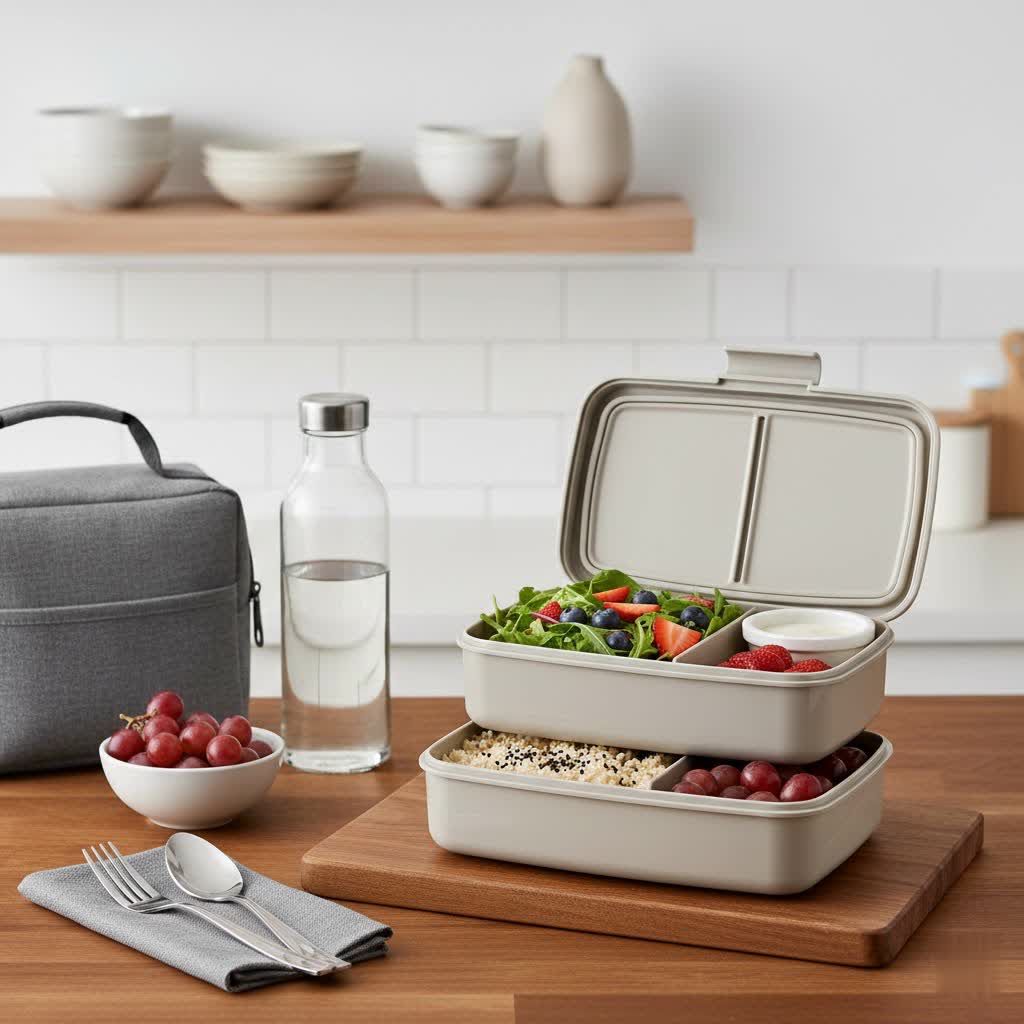
In our fast-paced lives, preparing and enjoying a healthy meal on the go can feel like a luxury. Yet, the right Small Lunch Box can transform your daily routine, making nutritious eating effortless, economical, and environmentally friendly. Whether you’re a busy professional, a student, or a parent packing for little ones, a compact meal container is an invaluable companion. It’s more than just a box; it’s a commitment to healthier habits, mindful eating, and a clutter-free bag. Let’s explore the world of small lunch boxes and discover how to find your ideal mealtime partner.
What is a Lunch Box?
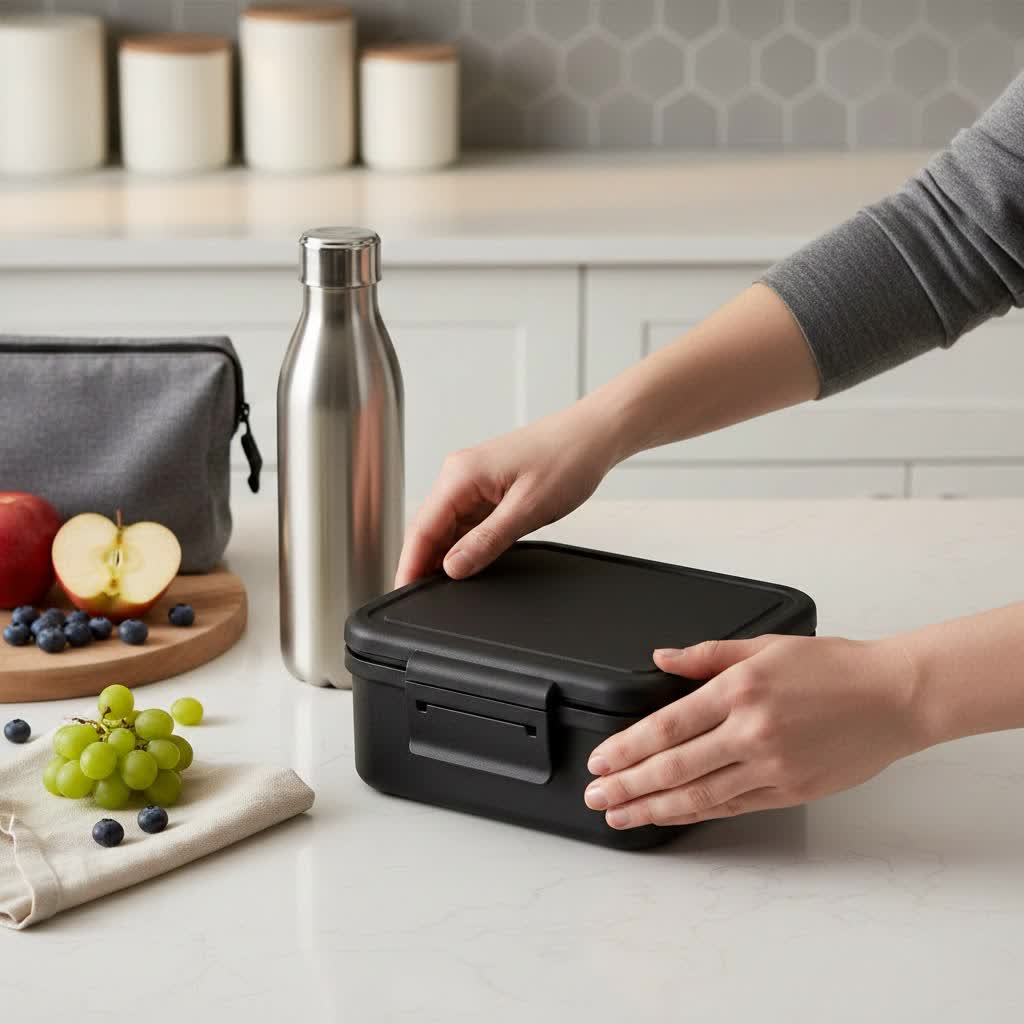
At its core, a lunch box is a portable container designed to carry food. While historically simple tins or buckets, modern lunch boxes have evolved into sophisticated meal management systems. From the classic metal pails of industrial workers to the intricately divided bento boxes of Japan, their purpose remains the same: to transport food safely and conveniently from home to wherever your day takes you. Today’s options boast innovative designs, advanced materials, and features tailored to diverse needs, making them an indispensable item for anyone who values homemade meals.
Why Use a Small Lunch Box?
Opting for a small lunch box offers a multitude of benefits that extend beyond mere convenience. It’s a choice that impacts your wallet, your health, and even the planet.
Firstly, packing your own meals in a small lunch box is a significant cost-saver. Regularly buying takeout or cafeteria food adds up quickly. By bringing food from home, you bypass inflated prices, allocating your money towards fresh ingredients rather than convenience fees.
Secondly, a small lunch box allows for precise nutrition control. You dictate exactly what goes into your meal, enabling you to manage portion sizes, calorie intake, and macronutrient balance. This is crucial for maintaining a healthy diet, adhering to specific dietary needs, or simply ensuring you get a balanced array of fruits, vegetables, and proteins. It empowers you to avoid unhealthy fats, excess sugar, and artificial additives often found in pre-packaged options.
Moreover, embracing a reusable small lunch box is a powerful step towards environmental protection. It dramatically reduces your reliance on single-use plastic bags, disposable containers, and wasteful packaging, contributing to less landfill waste and a smaller carbon footprint. This small change has a ripple effect, fostering a more sustainable lifestyle.
Finally, the convenience and flexibility of a small lunch box are unmatched. Its compact size ensures it fits easily into backpacks, briefcases, or purses without adding bulk. It means your favorite homemade dish is always within reach, offering a sense of comfort and familiarity wherever you are. For those with smaller appetites or who prefer multiple snacks throughout the day, a small lunch box provides just the right capacity without overpacking.
Popular Types of Lunch Boxes on the Market
The variety of small lunch boxes available can be overwhelming, each designed with specific purposes in mind. Understanding their classifications by material, design, and function can help narrow down your choices.
By Material
The material of your small lunch box dictates its durability, safety, weight, and even how you can use it.
- Plastic Lunch Boxes: These are often the most lightweight and budget-friendly. Modern plastic lunch boxes, especially those made from polypropylene (PP), are typically BPA-free and safe for food storage. However, it’s crucial to select food-grade plastics and avoid types like PVC or polycarbonate, which can release harmful chemicals, especially when heated. While convenient, some plastics may retain food odors over time.
- Stainless Steel Lunch Boxes: A durable and hygienic choice, stainless steel lunch boxes are known for their longevity and resistance to rust and corrosion. They don’t retain odors or stains, making them easy to clean. Look for 304 food-grade stainless steel (often labeled 18/8 or 18/10) for optimal safety and quality. While generally heavier than plastic, they are a fantastic eco-friendly investment.
- Glass Lunch Boxes: Offering superior food safety and visibility, glass lunch boxes are excellent for microwave use as they don’t leach chemicals or absorb odors. Borosilicate glass is particularly resistant to thermal shock. Their primary drawbacks are fragility and weight, making them less ideal for active commutes or younger children.
- Insulated Lunch Bags/Boxes: Often made from fabric (like nylon or polyester) with an insulating layer (like EVA foam), these are designed to keep food at safe temperatures, whether hot or cold, for several hours. They are usually lightweight and come in various styles, sometimes with hard liners for extra protection.
|
Our Picks for the Best Lunch Box in 2026
We may earn a commission when you use one of our links to make a purchase.
|
||
| Num | Product | Action |
|---|---|---|
| 1 | Carhartt Camping Cooler, Worksite Lunchbox, Soft Shell Lunch Bag for Construction Sites, Work and Everyday Use, Black |

|
| 2 | Lifewit Medium Lunch Bag Insulated Lunch Box Soft Cooler Cooling Tote for Adult Men Women, Dark Gray 12-Can (9L) |
|
| 3 | DUPASU Electric Lunch Box Food Warmer: 100W Heated Lunch Box for Adults, 1.8L Portable Fast Heating Lunchbox Food Heater for Car, Truck, Work, Travel, Lonchera Elctrica Porttil 12/24V/110-230V |
|
| 4 | Bento Box Adult Lunch Box, Containers for Adults Men Women with 4 Compartments, Lunchable Food Container with Utensils, Sauce Jar, Muffin Liners, 40 Oz/5 Cup, Microwave & Dishwasher Safe, Brown |
|
| 5 | Lunch Bag Women Girls Boys Kids Lunch Box for Men School Work Picnic Travel, Large Insulated Lunch Tote Bags for Food Container Cooler with Water Bottle Holder Handheld Shoulder Strap Black A |
|
| 6 | Lifewit Medium Lunch Bag Insulated Lunch Box Soft Cooler Cooling Tote for Adult Men Women, Gray 12-Can (9L) |
|
| 7 | Lifewit Medium Lunch Bag Insulated Lunch Box Soft Cooler Cooling Tote for Adult Men Women, Burgundy 12-Can (9L) |
|
| 8 | Lifewit Medium Lunch Bag Insulated Lunch Box Soft Cooler Cooling Tote for Adult Men Women, Black 12-Can (9L) |
|
| 9 | Lifewit Large Lunch Bag Insulated Lunch Box Soft Cooler Cooling Tote for Adult Men Women, Dark Blue 12-Can (9L) |
|
| 10 | Lifewit Medium Lunch Bag Insulated Lunch Box Soft Cooler Cooling Tote for Adult Men Women, Dark Green 12-Can (9L) |
|
By Design
Design considerations significantly impact usability and what you can pack.
- Single Compartment Lunch Boxes: These simple designs are perfect for larger items like sandwiches, salads, or a single main dish. Their straightforward nature makes them easy to clean.
- Multi-Compartment Lunch Boxes (Bento Style): Inspired by Japanese bento boxes, these feature integrated dividers or removable containers that keep different food items separate. This is ideal for portion control, preventing foods from mixing, and catering to picky eaters. Small bento boxes are particularly popular for packing varied snacks and mini-meals.
- Leak-Proof Lids: Essential for carrying liquid or semi-liquid foods like soups, yogurts, or dressings without spills. Silicone seals and strong latches are key features to look for.
- Handles or Straps: For easy portability, many small lunch boxes or accompanying bags come with sturdy handles or adjustable shoulder straps, making them convenient for commuting or carrying alongside other belongings.
By Function
Beyond basic food transport, some small lunch boxes offer specialized functions.
- Heating Lunch Boxes: Some advanced models include electric heating elements, allowing you to warm your food without a microwave. These are particularly useful for those without access to kitchen facilities at work.
- Thermal Insulated Lunch Boxes: Distinct from insulated bags, these are typically rigid containers, often stainless steel, designed with double walls to maintain food temperature for extended periods. They are excellent for keeping soups hot or salads crisp.
- Microwave-Safe Lunch Boxes: While glass is inherently microwave-safe, many plastic and some silicone lunch boxes are designed to withstand microwave heating, though it’s always important to check product specifications.
- Anti-Spill/Leak-Proof Lunch Boxes: Focused on preventing any leakage, these boxes feature robust seals and locking mechanisms, giving you peace of mind when carrying liquids in your bag.
Comparison Table of Popular Small Lunch Box Materials
| Feature | Plastic (Food-Grade PP) | Stainless Steel | Glass (Borosilicate) | Insulated Fabric Bags |
|---|---|---|---|---|
| Durability | Good, can crack | Excellent, long-lasting | Fragile, can break | Moderate, can tear |
| Weight | Very Lightweight | Moderate | Heavy | Very Lightweight |
| Microwave-Safe | Some (check label) | No | Yes | No |
| Dishwasher-Safe | Yes (top rack) | Yes | Yes | Often spot-clean only |
| Leak-Proof | Often with good seals | Often with good seals | Often with good seals | Generally not box itself |
| Insulation | Minimal | Can be insulated | Minimal | Excellent |
| Odor/Stain Retention | Can retain over time | Virtually none | Virtually none | Can retain over time |
| Cost | Low to Moderate | Moderate to High | Moderate to High | Low to Moderate |
| Eco-Friendly | Reusable, but waste concern | Highly reusable, recyclable | Highly reusable, recyclable | Reusable, less waste |
Tips for Choosing the Right Small Lunch Box
Selecting the perfect small lunch box for your needs involves a thoughtful assessment of your lifestyle and priorities.
Determine Your Usage Needs
Before anything else, consider how and where you’ll use your small lunch box.
- What foods will you pack? If you often carry liquids like soup or yogurt, prioritize a truly leak-proof design. For multiple snacks, a bento-style box with several small compartments is ideal. If you’re packing a single sandwich or salad, a simpler, single-compartment box might suffice.
- What capacity do you need? Small lunch boxes typically range from around 1 cup to 4-5 cups. For light snacks or a child’s small meal, a lower capacity is perfect. For an adult’s lunch, you might need something slightly larger, but still compact.
- What features are essential? Do you need to keep food hot or cold? Then insulation is a must. Will you rely on a microwave? Glass or microwave-safe plastic options are key. Do you dislike foods touching? Bento dividers are non-negotiable.
Choose Safe and Durable Materials
Your health and the longevity of your lunch box depend heavily on its material.
- Prioritize BPA-free: When choosing plastic, always ensure it is labeled BPA-free (Bisphenol A) and phthalate-free, as these chemicals can leach into food. Polypropylene (PP) is generally considered a safer plastic for food containers.
- Invest in quality: For maximum durability and safety, stainless steel (304 food-grade) and borosilicate glass are excellent choices. They are non-reactive, easy to clean, and built to last, reducing the need for frequent replacements.
- Consider insulation: If temperature retention is important, look for insulated lunch bags with quality lining, or small thermal containers specifically designed to keep food hot or cold.
Opt for a Convenient Design
A good design enhances your daily experience with the lunch box.
- Ease of opening and closing: Ensure the lid mechanism is secure but easy to operate, especially if it’s for a child.
- Effortless cleaning: Dishwasher-safe components save time and ensure thorough hygiene. Boxes with fewer nooks and crannies are generally easier to handwash.
- Leak-proof reliability: A secure, airtight, and leak-proof seal is paramount to prevent messy spills in your bag. Look for silicone gaskets and strong, reliable latches.
- Portability: A lightweight design with a comfortable handle or strap makes carrying your small lunch box a breeze, particularly when juggling other items.
Consult User Reviews and Expert Opinions
Leverage the experiences of others to inform your decision.
- Read reviews: Check product reviews on various retail sites and forums. Pay attention to comments regarding durability, leak-proof performance, ease of cleaning, and how the lunch box holds up over time.
- Seek recommendations: Ask friends, family, or colleagues for their favorite small lunch box recommendations, especially if they have similar needs or lifestyles.
Top Small Lunch Boxes Popular Today
The market offers a wide array of excellent small lunch boxes that cater to various preferences. Many popular options today blend functionality with aesthetic appeal. Bento-style small lunch boxes remain highly favored, especially for children and adults who enjoy varied, portion-controlled meals. These often feature multiple leak-proof compartments, ideal for separating main dishes from sides and snacks. Materials like food-grade stainless steel and BPA-free plastics dominate, lauded for their durability and safety. Insulated soft-sided bags are also top contenders, valued for their ability to maintain food temperatures and their collapsible nature for easy storage. Brands that focus on compact design, robust construction, and user-friendly features like easy-open latches and simple cleaning processes tend to garner the highest praise. Whether you need a tiny container for fruit or a multi-compartment solution for a light lunch, the best small lunch boxes prioritize practical design without compromising on quality or style.
How to Clean and Maintain Your Lunch Box
Proper cleaning and maintenance are crucial for extending the life of your small lunch box and ensuring food safety.
- Daily Cleaning: After each use, empty your lunch box and wash it thoroughly. For most materials like plastic, stainless steel, and glass, warm soapy water is sufficient. Use a soft sponge or brush to reach all corners and remove food residues. If your lunch box is dishwasher-safe, place it on the top rack.
- Addressing Odors: If your plastic lunch box starts to retain food odors, try soaking it in a solution of warm water and baking soda for a few hours or overnight. For tougher odors, a mixture of vinegar and water can also be effective. Stainless steel and glass are naturally resistant to odors.
- Drying Thoroughly: Always ensure your lunch box and its lid are completely dry before storing to prevent mold and mildew growth. Air-drying with the lid off is ideal.
- Checking Seals: Regularly inspect silicone seals and gaskets for any signs of wear, tears, or food buildup. Clean these components meticulously, as they are often the culprit for leaks and lingering smells. Some seals are removable for easier cleaning.
- Avoid Harsh Abrasives: Do not use abrasive scrubbers or harsh chemical cleaners, especially on plastic or coated surfaces, as they can scratch the material or degrade its integrity.
- Storage: Store your clean, dry lunch box with the lid slightly ajar or off to allow for air circulation and prevent stale odors from building up inside.
Conclusion
Choosing the right small lunch box is an investment in your health, your finances, and the environment. With so many innovative options available, finding a compact, durable, and functional container to suit your individual needs has never been easier. By considering factors like material safety, design convenience, and essential features, you can confidently select a lunch box that not only keeps your meals fresh and secure but also simplifies your daily routine. So, are you ready to elevate your meal-prep game and discover the perfect small lunch box for your lifestyle?
Câu Hỏi Thường Gặp
What is the ideal size for a small lunch box?
The ideal size for a small lunch box typically ranges from 1 to 5 cups (240ml to 1.2 liters), depending on whether it’s for snacks, a child’s meal, or an adult’s light lunch. Consider your usual portion sizes and the types of food you pack.
Are all plastic small lunch boxes safe for health?
No, not all plastic small lunch boxes are safe. Always choose lunch boxes explicitly labeled “BPA-free” and “phthalate-free.” Food-grade polypropylene (PP) is generally considered a safer plastic option for food storage, especially when heated.
Can I microwave food directly in my small lunch box?
It depends on the material. Glass lunch boxes are generally safe for microwave use. For plastic and silicone, you must check the product label for “microwave-safe” instructions, as not all are designed to withstand high temperatures.
How do I prevent my small lunch box from leaking?
To prevent leaks, look for small lunch boxes with tight-fitting lids that include silicone gaskets or seals and strong locking clips. Ensure these seals are clean and properly seated before closing the box. Avoid overfilling compartments.
What are the benefits of a bento-style small lunch box?
Bento-style small lunch boxes are great for portion control, separating different food items to prevent them from mixing, and encouraging a varied diet. Their multiple compartments make it easy to pack a main course and several snacks.