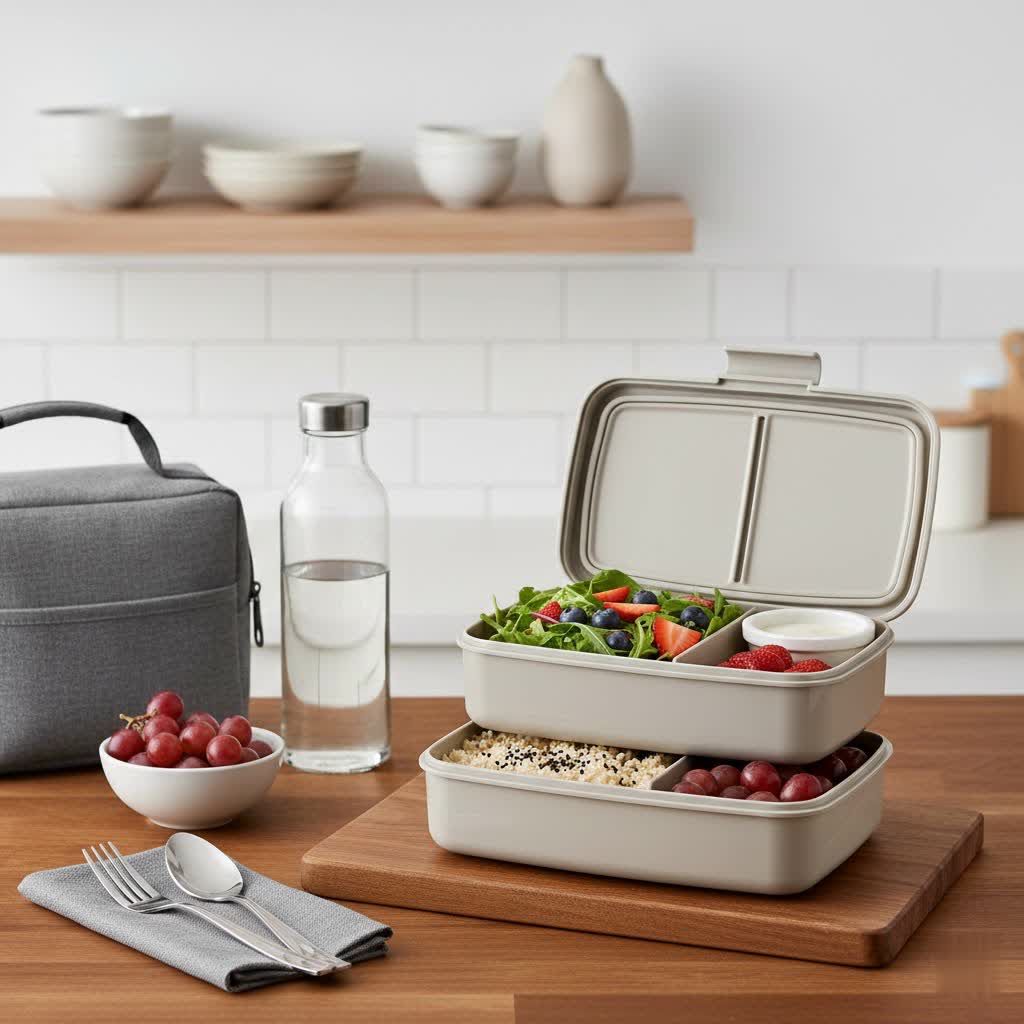
In our busy, modern lives, the humble lunch box has evolved from a simple container to an essential companion, offering a blend of convenience, health, and sustainability. Whether you’re a student, a professional, or an adventurer, choosing the right lunch box can transform your midday meal experience. No more sad, squished sandwiches or expensive takeout; a great lunch box empowers you to enjoy fresh, homemade meals wherever you go. This comprehensive guide will navigate the vast world of lunch boxes, helping you discover the ideal partner for your daily culinary journey.
What is a Lunch Box?
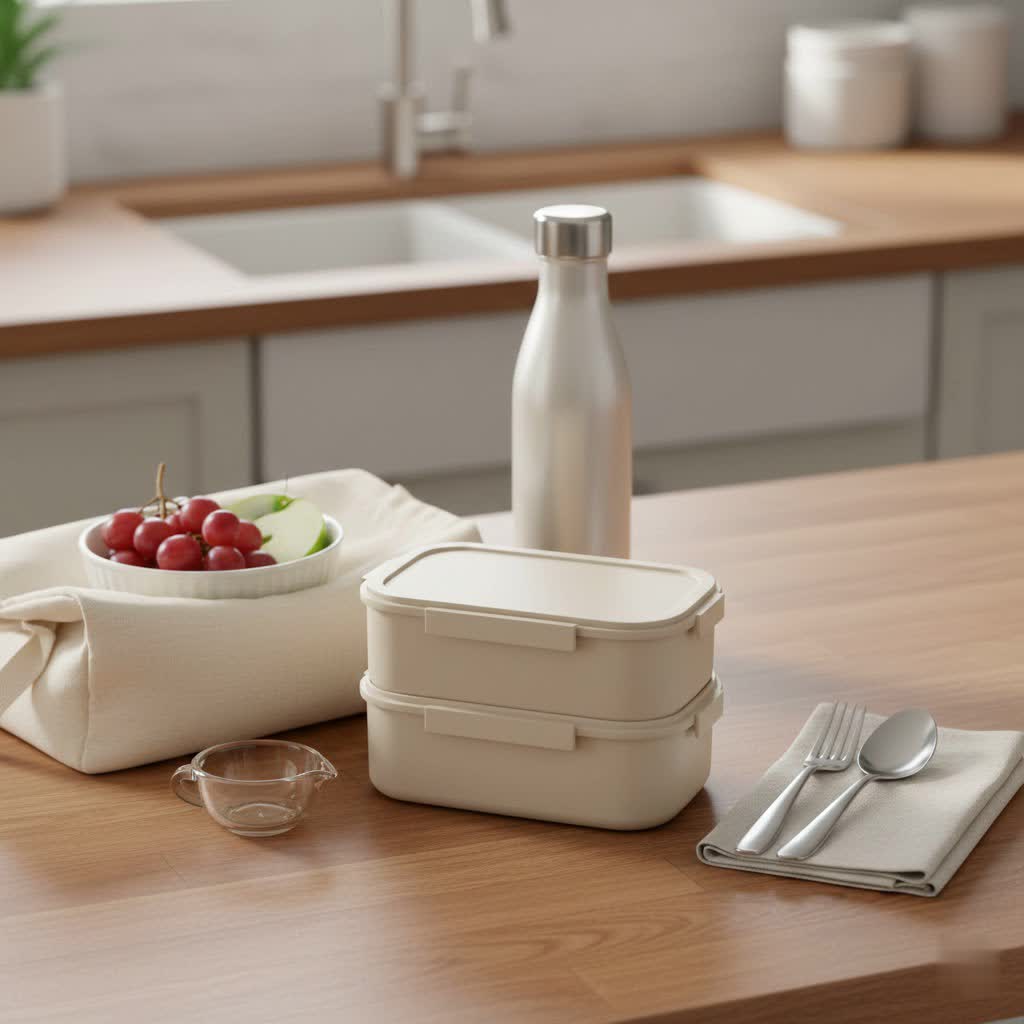
At its core, a lunch box is a specialized container designed to transport food from home to be consumed at a later time, typically during lunch hours at work or school. Often hand-held for easy mobility, these versatile items are also known as lunch bags, tiffin boxes, or lunch containers.
The concept of carrying packed meals emerged around the 1880s, when adult workers would bring their daily sustenance in bags. Children, observing their elders, soon began repurposing empty cookie or tobacco tins as makeshift carriers for their school lunches. This rudimentary practice laid the groundwork for the first commercially distributed lunch box, introduced in 1920 by the Thermos Bottle Company. These early metal boxes, featuring a leather handle and a dome shape, marked the beginning of a long journey of innovation in lunch box design and functionality. Over the decades, technological advancements have significantly refined these products, leading to a diverse market offering improved temperature retention, enhanced durability, and extensive personalization options.
Why Should You Use a Lunch Box?
Embracing the habit of packing your own meals in a lunch box offers a myriad of benefits that extend beyond mere practicality, impacting your wallet, health, and the planet.
Firstly, using a lunch box is a significant cost-saver. Regularly buying lunch out can quickly add up, draining your budget over time. Preparing meals at home and packing them allows for substantial savings, redirecting those funds towards other priorities or simply enjoying more culinary freedom.
Secondly, a lunch box provides unparalleled nutrition control. When you pack your own food, you decide exactly what goes into it. This enables you to manage portion sizes, choose fresh, wholesome ingredients, and avoid unhealthy additives, excessive sodium, or unwanted fats often found in convenience foods. It’s a direct path to a healthier lifestyle tailored to your dietary needs.
Beyond personal gains, choosing a reusable lunch box actively contributes to environmental protection. Disposable plastic bags, containers, and wrappers are major contributors to landfill waste and plastic pollution. By opting for a durable, reusable lunch box, you dramatically reduce your personal carbon footprint and support a more sustainable future.
Finally, lunch boxes offer immense convenience and flexibility. They free you from relying on cafeterias or nearby restaurants, allowing you to enjoy your meal whenever and wherever suits you best. Whether it’s a quick bite between meetings, a picnic in the park, or a carefully prepped meal for a long day, a lunch box ensures your food is ready when you are, perfectly suited to your schedule and preferences.
Popular Lunch Box Types on the Market
The variety of lunch boxes available today is astounding, categorized mainly by their material, design, and specific functions. Understanding these classifications can help you pinpoint the best fit for your lifestyle.
Classified by Material
The material of your lunch box dictates much of its durability, safety, and performance.
- Plastic Lunch Boxes: These are widely popular due to their affordability and lightweight nature. Modern plastic lunch boxes often come in a vast array of colors, shapes, and sizes, appealing to all ages. Many high-quality options are made from BPA-free plastics like polypropylene (PP) and Tritan, which are food-grade and considered safer. Certain polypropylene plastics are also microwave-safe. However, plastic’s primary drawback is its environmental impact; it can take hundreds of years to decompose, and lower-quality plastics may leach chemicals, especially when exposed to heat.
- Stainless Steel Lunch Boxes: Praised for their exceptional durability, stainless steel lunch boxes are a favorite among those seeking a robust and long-lasting option. They are resistant to rust, corrosion, and oxidation, often outliving other household items. Food-grade 304 stainless steel (available in 18/8 and 18/10 variations) is the most common and safest choice, as it doesn’t affect food taste, smell, or color, nor does it release toxins. Stainless steel is also eco-friendly due to its recyclability and is generally easy to clean, often being dishwasher-safe. While traditionally not insulated, some innovative designs now offer microwave-safe stainless steel options.
- Glass Lunch Boxes: Glass lunch containers are gaining popularity, particularly for their food safety and aesthetic appeal. Glass is a non-porous material, meaning it won’t absorb odors or stains, making it ideal for messy foods like pasta sauce. It’s 100% food-safe, naturally toxin-free, and can withstand extreme temperatures, making it microwave-safe, oven-safe, freezer-safe, and dishwasher-safe. Glass is also highly sustainable, being endlessly recyclable. The main disadvantage is its fragility and heavier weight, which makes it less ideal for rough handling or for young children.
- Insulated Lunch Bags (Fabric): These soft-sided options, typically made from materials like polyester, nylon, or vinyl with an interior lining of plastic or aluminum foil, are designed primarily for temperature retention. They are often lightweight, flexible, and can be easily collapsed when empty for storage. Many feature built-in insulation (foam or gel walls) or require separate ice packs to keep food hot or cold for several hours. While convenient for portability and insulation, they may not always be completely leak-proof, requiring additional leak-proof containers for wet foods.
- Bamboo/Wood Lunch Boxes: As an eco-friendly alternative, bamboo and wood lunch boxes are made from rapidly renewable resources and offer a natural, aesthetically pleasing look. They are lightweight and possess decent insulation properties. However, they typically require more careful maintenance, such as hand-washing and thorough drying, to prevent mold growth and extend their lifespan.
|
Our Picks for the Best Lunch Box in 2026
We may earn a commission when you use one of our links to make a purchase.
|
||
| Num | Product | Action |
|---|---|---|
| 1 | DUPASU Electric Lunch Box Food Warmer: 100W Heated Lunch Box for Adults, 1.8L Portable Fast Heating Lunchbox Food Heater for Car, Truck, Work, Travel, Lonchera Elctrica Porttil 12/24V/110-230V |

|
| 2 | Lifewit Medium Lunch Bag Insulated Lunch Box Soft Cooler Cooling Tote for Adult Men Women, Black 12-Can (9L) |
|
| 3 | Lifewit Medium Lunch Bag Insulated Lunch Box Soft Cooler Cooling Tote for Adult Men Women, Gray 12-Can (9L) |
|
| 4 | Lifewit Medium Lunch Bag Insulated Lunch Box Soft Cooler Cooling Tote for Adult Men Women, Burgundy 12-Can (9L) |
|
| 5 | Carhartt Camping Cooler, Worksite Lunchbox, Soft Shell Lunch Bag for Construction Sites, Work and Everyday Use, Black |
|
| 6 | Lifewit Large Lunch Bag Insulated Lunch Box Soft Cooler Cooling Tote for Adult Men Women, Dark Blue 12-Can (9L) |
|
| 7 | Lifewit Medium Lunch Bag Insulated Lunch Box Soft Cooler Cooling Tote for Adult Men Women, Dark Gray 12-Can (9L) |
|
| 8 | Lunch Bag Women Girls Boys Kids Lunch Box for Men School Work Picnic Travel, Large Insulated Lunch Tote Bags for Food Container Cooler with Water Bottle Holder Handheld Shoulder Strap Black A |
|
| 9 | Lifewit Medium Lunch Bag Insulated Lunch Box Soft Cooler Cooling Tote for Adult Men Women, Dark Green 12-Can (9L) |
|
| 10 | Bento Box Adult Lunch Box, Containers for Adults Men Women with 4 Compartments, Lunchable Food Container with Utensils, Sauce Jar, Muffin Liners, 40 Oz/5 Cup, Microwave & Dishwasher Safe, Brown |
|
Classified by Design
Beyond materials, the physical design significantly impacts a lunch box’s usability.
- One-Compartment Lunch Boxes: These are the simplest design, offering a single, open space ideal for larger items like sandwiches, salads, or main courses. Their straightforward nature makes them easy to clean.
- Multi-Compartment (Bento) Lunch Boxes: Inspired by Japanese bento culture, these lunch boxes feature multiple internal divisions, either fixed or removable. They are perfect for packing a variety of foods separately, preventing mixing and squishing, which can be particularly appealing for picky eaters or those who enjoy diverse meals.
- Airtight and Leak-Proof Lunch Boxes: Essential for transporting liquid-based foods like soups, stews, or saucy dishes, these designs incorporate robust seals, often made of silicone, to prevent spills and keep food fresh.
- Lunch Boxes with Carry Handles or Straps: For commuters and students, the ease of transport is key. Many lunch boxes come with comfortable top handles, while others offer adjustable shoulder straps for hands-free carrying, enhancing convenience during daily commutes.
Classified by Function
Some lunch boxes come with specialized features catering to specific needs.
- Insulated/Thermal Lunch Boxes: As mentioned, these are designed with special materials or structures (like double walls or integrated gel packs) to maintain food temperature, keeping meals hot or cold for extended periods without external refrigeration or heating.
- Microwave-Safe Lunch Boxes: These containers are made from materials (e.g., specific plastics or glass) that can safely be heated in a microwave, allowing you to warm your food directly in the box. Always check the product label for “microwave-safe” certification.
- Electric Lunch Boxes: A modern innovation, electric lunch boxes come with a built-in heating element and a power cable. They allow you to plug in and warm your meal, providing a hot lunch without needing a microwave, ideal for office workers or travelers.
Comparison Table: Popular Lunch Box Materials
Choosing the best lunch box involves weighing the pros and cons of common materials against your personal needs. This table provides a quick overview:
| Feature | Plastic Lunch Box | Stainless Steel Lunch Box | Glass Lunch Box | Insulated Fabric Lunch Bag |
|---|---|---|---|---|
| Material | Polypropylene, Tritan (BPA-free) | Food-grade 304 stainless steel | Tempered glass (borosilicate) | Polyester, Nylon, Vinyl with insulated lining |
| Durability | Good; resistant to breaking when dropped; can scratch | Excellent; highly resistant to rust, corrosion, dents | Excellent (if not dropped); scratch-resistant | Good; fabric can wear, zippers can snag |
| Food Safety | Good (choose BPA-free plastics) | Excellent; non-reactive, no leaching | Excellent; non-reactive, no leaching | Good (food-safe linings) |
| Insulation | No (unless part of an insulated system) | No (unless double-walled or paired with bag) | No | Excellent (designed for temperature retention) |
| Microwave Safe | Yes (specific types like PP); check label | No (traditionally); some new models are microwavable | Yes | No |
| Dishwasher Safe | Yes (often top-rack) | Yes | Yes | No (hand wipe interior) |
| Leak-Proof | Varies by design; many modern options are | Varies by design; often with silicone seals | Yes (with proper lid seals) | No (bag itself); requires leak-proof inner containers |
| Weight | Lightweight | Moderate to Heavy | Heavy | Lightweight |
| Price | Low to Moderate | Moderate to High | Moderate to High | Low to Moderate |
| Eco-Friendliness | Varies; can be difficult to recycle; some are reusable | High; recyclable, long-lasting | High; endlessly recyclable, long-lasting | Low to Moderate; reusable, but made from synthetic materials |
Tips for Choosing the Right Lunch Box
Selecting the perfect lunch box requires a thoughtful assessment of your personal needs and preferences. With so many options available, here’s how to narrow down your choices:
Determine Your Usage Needs
Before anything else, consider how and where you’ll be using your lunch box.
- What type of food will you pack? If you love soups, stews, or saucy dishes, prioritize a truly leak-proof design. For a sandwich and dry snacks, a basic model with compartments might suffice.
- What capacity do you need? A child’s lunch typically requires less space than an adult’s hearty meal. Consider your appetite and whether you pack multiple items or just a main course.
- Which features are essential? Do you need it to keep food hot or cold for hours? Will you need to reheat food in a microwave? Is separating different food items important to you? Identify your non-negotiable features first.
Prioritize Safe Materials
Your health should always be a top concern.
- Look for BPA-free plastics: If choosing plastic, ensure it’s labeled “BPA-free” to avoid harmful chemicals. Polypropylene (PP) and Tritan are generally considered safe plastic choices.
- Opt for food-grade stainless steel: For metal options, 304 stainless steel is the gold standard for food safety.
- Glass is always a safe bet: Glass is naturally non-toxic and non-reactive, making it an excellent choice for health-conscious users.
- Check for certifications: Reputable brands often provide certifications for food-safe materials.
Choose a Convenient and Functional Design
A great lunch box should make your life easier, not harder.
- Ease of use and cleaning: Can it be easily opened and closed, especially if small hands will be using it? Is it dishwasher-safe, or easy to hand wash? Complex designs with many nooks and crannies can be a hassle to clean thoroughly.
- Leak-proof capabilities: Look for secure seals, often silicone-lined lids, that prevent spills. This is crucial for peace of mind, especially if carrying your lunch in a bag with other items.
- Portability: Consider the carry method – a comfortable handle, a shoulder strap, or a compact design that fits easily into a backpack or tote bag.
- Aesthetics: While not strictly functional, a lunch box that you enjoy looking at and carrying can positively impact your daily routine. Choose a design that reflects your personal style.
Consult User Reviews and Expert Opinions
Leverage the experiences of others to make an informed decision.
- Read online reviews: Websites, forums, and e-commerce platforms often contain valuable insights from real users about product performance, durability, and any potential issues.
- Ask for recommendations: Friends, family, or colleagues who regularly pack lunches can offer practical advice based on their own experiences.
Top 5 Lunch Boxes for Smart Eaters
Based on extensive testing and user feedback across various categories, here are some highly-rated lunch boxes that stand out for their performance, design, and durability:
- Carhartt Deluxe Lunch Cooler Bag: An all-purpose, insulated soft cooler known for its rugged durability and excellent cold retention. It features two spacious compartments, separating soft and hard items effectively, making it a reliable choice for adults needing to keep food chilled for hours.
- Mier Adult Lunch Box: This insulated soft-shell lunch box offers a generous capacity with dual compartments and multiple exterior pockets. It’s praised for keeping food cold for several hours and its wipe-clean interior, making it a convenient option for adults.
- LunchBots Bento Cinco: A top pick for kids, this stainless steel bento box is celebrated for its durable construction and ease of cleaning (dishwasher-safe). It offers five individual compartments perfect for portioned snacks and meals, though it lacks insulation, requiring an insulated lunch bag for temperature control.
- Bentgo Kids Lunch Box: Ideal for younger children (ages 3-7), this bento-style plastic lunch box is renowned for its near-indestructible design and leak-proof seals, preventing messes even with multiple food sections. It comes in a wide array of fun colors and patterns.
- Yeti Daytrip Lunch Bag: While a splurge, this compact yet rigid soft cooler excels in insulation and durability. It’s lightweight, waterproof, and designed to keep food at its optimal temperature for extended periods, making it a premium choice for those prioritizing performance and resilience.
How to Clean and Maintain Your Lunch Box
Proper care is paramount to extending the life of your lunch box and ensuring food safety. While specific instructions may vary by product and material, here are some general guidelines:
- Daily Cleaning: For most lunch boxes, a simple wash with warm, soapy water and a soft sponge or cloth after each use is sufficient. Pay extra attention to corners, seams, and seals where food particles can accumulate.
- Dishwasher Safety: Many stainless steel and glass containers, as well as the trays of some plastic bento boxes, are dishwasher-safe. Always check the manufacturer’s instructions; for plastics, often only the top rack is recommended to prevent warping. Lids with silicone seals may benefit from hand-washing to preserve their integrity.
- Air Drying: After washing, ensure all components are thoroughly air-dried before reassembling or storing. This prevents moisture buildup, which can lead to mold, mildew, and unpleasant odors.
- Spot Cleaning Fabric Bags: For insulated fabric lunch bags, interiors can typically be wiped clean with a damp cloth and mild soap. Avoid submerging them in water or putting them in a washing machine unless explicitly stated by the manufacturer, as this can damage insulation and compromise structural integrity.
- Addressing Stains and Odors: For stubborn stains in plastic, a paste of baking soda and water can help. For lingering odors, a mix of vinegar and water, or placing an open container of baking soda inside overnight, can be effective.
- Handle with Care: While many lunch boxes are designed for durability, avoiding unnecessary drops and impacts can prevent damage, especially for glass or hard-shell options.
“A well-chosen lunch box is more than just a container; it’s an investment in your health, your finances, and a greener planet.” – ReviewPromos Admin, Kitchenware Expert with 10+ Years Experience
Conclusion
Choosing the right lunch box is a simple yet impactful decision that significantly enhances your daily routine. From cutting costs and promoting healthier eating habits to reducing environmental waste, the benefits are clear. By understanding the various materials, designs, and functionalities available, you can confidently select a lunch box that perfectly aligns with your needs and preferences. Whether you opt for the robust reliability of stainless steel, the pristine safety of glass, the lightweight convenience of modern plastics, or the superior insulation of a fabric bag, a world of fresh, satisfying meals awaits. So, which lunch box will be your trusted companion for delicious, on-the-go nourishment?
Frequently Asked Questions
What’s the ideal size for an adult lunch box?
The ideal size for an adult lunch box typically ranges from 6 to 12 can capacity, allowing enough space for a substantial meal and snacks without excess room that could cause food to shift and get squished. Consider your appetite and whether you carry multiple items or just a main course.
Are all plastic lunch boxes safe for food storage?
No, not all plastic lunch boxes are equally safe. It’s crucial to choose those specifically labeled “BPA-free” and made from food-grade plastics like polypropylene (PP) or Tritan, as these do not leach harmful chemicals into your food.
How long can an insulated lunch box keep food cold?
A good quality insulated lunch box, especially when paired with an ice pack, can keep food cold for up to 8 hours, which is typically sufficient for a full workday or school day. Performance can vary based on external temperature and the quality of insulation.
Can I put a stainless steel lunch box in the microwave?
Traditionally, stainless steel lunch boxes are not microwave-safe due to the risk of sparking and damage. However, some newer, specialized stainless steel lunch boxes are designed for microwave use; always check the product’s specific labeling and instructions before microwaving.
How can I prevent my lunch box from leaking?
To prevent leaks, look for lunch boxes with robust, airtight seals, often made of silicone. Ensure lids are securely fastened, and for very liquid foods like soups, consider using dedicated leak-proof inner containers even within an insulated bag.