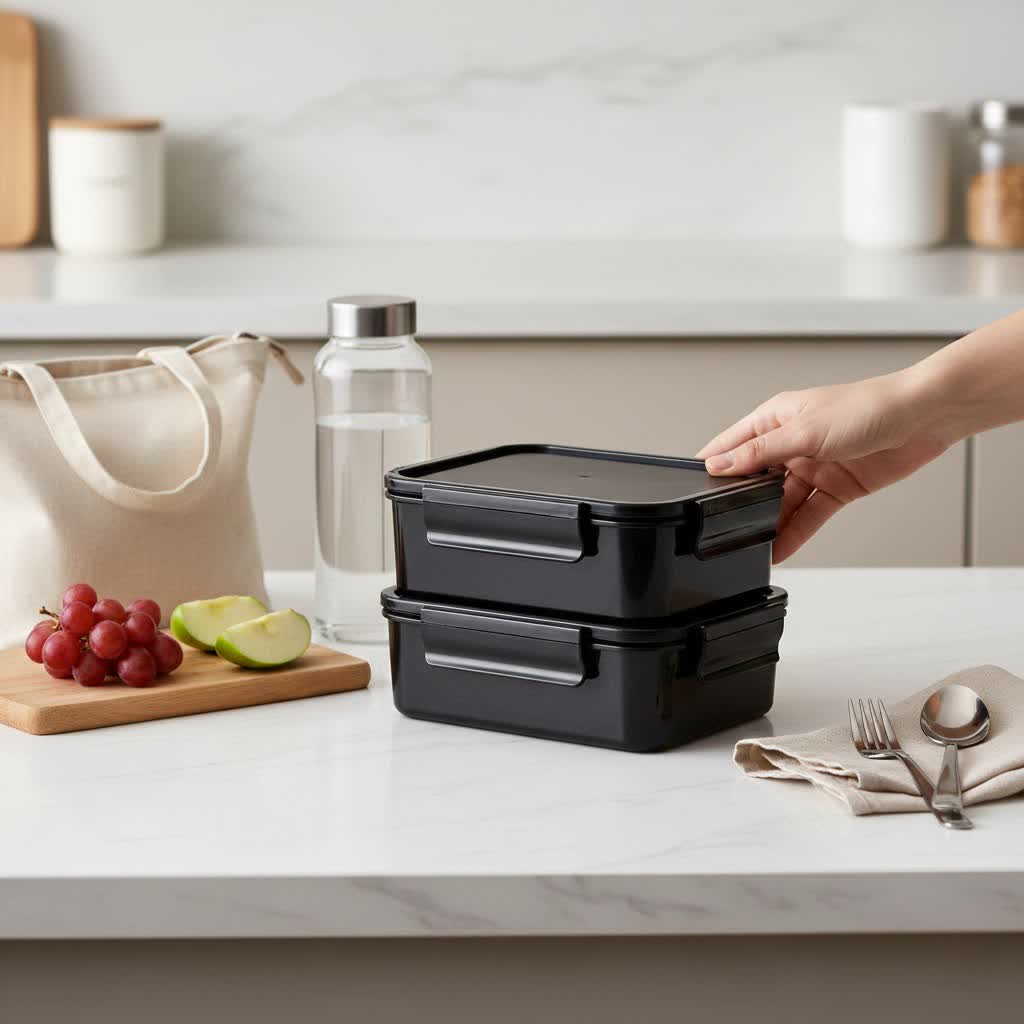
Are you tired of flimsy containers that leak, stain, and leave your food tasting odd? Many of us wrestle with the daily challenge of packing a nutritious and appealing lunch, often resorting to less-than-ideal solutions. If you’re seeking a robust, safe, and sustainable way to carry your meals, it’s time to discover the world of stainless steel lunch boxes. These dependable companions offer a superior alternative, promising to keep your food fresh, your body healthy, and our planet happier.
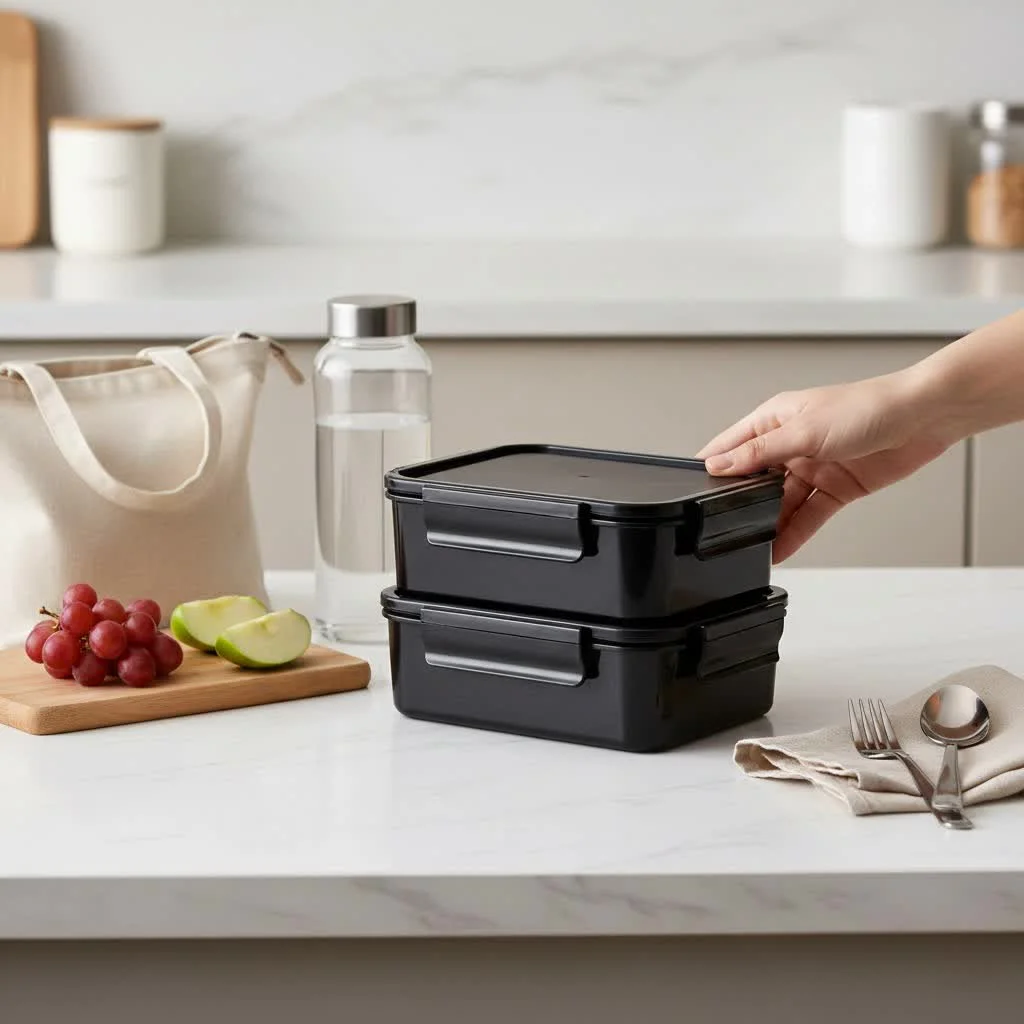
What is a Lunch Box?
At its core, a lunch box is a portable container designed to hold and transport food, typically for consumption away from home. Its purpose is simple: to make sure you have a meal ready when hunger strikes, whether at work, school, or on an adventure. For explore our lunch box reviews on this site.
The concept of carrying packed meals has a rich history. Early forms date back to the 19th century when workers used old tin boxes, like those for cookies or tobacco, to carry their midday sustenance. These utilitarian metal containers were durable enough to withstand the demanding conditions of mines and factories. The 1920s saw the emergence of the first commercially produced lunch boxes, often made of metal with a handle. Over time, lunch boxes evolved significantly, moving through various materials and designs to meet changing consumer needs, culminating in the diverse and specialized options we see today.
Why Choose a Stainless Steel Lunch Box?
Choosing a stainless steel lunch box offers a multitude of benefits that extend beyond mere food storage. They are a smarter choice for your health, your wallet, and the environment.
Save Money in the Long Run
While the initial investment in a high-quality stainless steel lunch box might be slightly higher than a plastic counterpart, their unparalleled durability makes them incredibly cost-effective over time. Unlike plastic, which often degrades, stains, and needs frequent replacement, stainless steel is built to last for years, saving you money on disposable containers and recurring purchases.
Take Control of Your Nutrition
Packing your own lunch gives you complete control over what you eat. With a reliable stainless steel lunch box, you can easily prepare wholesome, balanced meals from home, avoiding expensive and often unhealthy takeout options. This allows you to monitor ingredients, portion sizes, and dietary needs, supporting a healthier lifestyle.
Protect Our Environment
Embracing a reusable stainless steel lunch box is a powerful step towards reducing waste. Each use eliminates the need for single-use plastic bags, wraps, and containers that contribute to overflowing landfills and ocean pollution. Stainless steel is also a highly recyclable material, making it an eco-friendly choice from production to disposal. Using stainless steel avoids the potential for microplastic contamination in your food, a growing concern for both human and environmental health.
Enjoy Convenience and Hygiene
|
Our Picks for the Best Lunch Box in 2026
As an Amazon Associate I earn from qualifying purchases.
|
||
| Num | Product | Action |
|---|---|---|
| 1 | Lifewit Medium Lunch Bag Insulated Lunch Box Soft Cooler Cooling Tote for Adult Men Women, Burgundy 12-Can (9L) |

|
| 2 | DUPASU Electric Lunch Box Food Warmer: 100W Heated Lunch Box for Adults, 1.8L Portable Fast Heating Lunchbox Food Heater for Car, Truck, Work, Travel, Lonchera Elctrica Porttil 12/24V/110-230V |
|
| 3 | Carhartt Camping Cooler, Worksite Lunchbox, Soft Shell Lunch Bag for Construction Sites, Work and Everyday Use, Black |
|
| 4 | Lunch Bag Women Girls Boys Kids Lunch Box for Men School Work Picnic Travel, Large Insulated Lunch Tote Bags for Food Container Cooler with Water Bottle Holder Handheld Shoulder Strap Black A |
|
| 5 | Lifewit Medium Lunch Bag Insulated Lunch Box Soft Cooler Cooling Tote for Adult Men Women, Dark Gray 12-Can (9L) |
|
| 6 | Lifewit Large Lunch Bag Insulated Lunch Box Soft Cooler Cooling Tote for Adult Men Women, Dark Blue 12-Can (9L) |
|
| 7 | Bento Box Adult Lunch Box, Containers for Adults Men Women with 4 Compartments, Lunchable Food Container with Utensils, Sauce Jar, Muffin Liners, 40 Oz/5 Cup, Microwave & Dishwasher Safe, Brown |
|
| 8 | Lifewit Medium Lunch Bag Insulated Lunch Box Soft Cooler Cooling Tote for Adult Men Women, Black 12-Can (9L) |
|
| 9 | Lifewit Medium Lunch Bag Insulated Lunch Box Soft Cooler Cooling Tote for Adult Men Women, Dark Green 12-Can (9L) |
|
| 10 | Lifewit Medium Lunch Bag Insulated Lunch Box Soft Cooler Cooling Tote for Adult Men Women, Gray 12-Can (9L) |
|
Stainless steel is a non-porous material, which means it doesn’t absorb food odors or stains. This makes it exceptionally easy to clean, whether by hand with warm soapy water or in the dishwasher. Its smooth surface also resists bacterial buildup, ensuring a hygienic environment for your meals. Many designs feature secure, leak-proof seals, preventing spills and keeping your bag clean.
Prioritize Health and Safety
One of the most compelling reasons to choose stainless steel is its inherent safety. High-grade food-safe stainless steel (typically 18/8 or 304) is free from harmful chemicals like BPA, phthalates, and other plasticizers that can leach into food, especially when exposed to heat. This chemical-free nature provides peace of mind, knowing your food remains pure and uncontaminated.
Keep Food Hot or Cold
Many stainless steel lunch boxes, particularly those with double-walled insulation, excel at maintaining food temperatures. They can keep your hot meals warm for several hours and your cold salads or fruits chilled, ensuring your food is enjoyable when it’s time to eat.
Popular Types of Lunch Boxes on the Market
The lunch box market offers a wide array of choices, but understanding how stainless steel fits into these categories and compares with other materials can help you make the best decision.
Classification by Material
The material of your lunch box dictates many of its characteristics, from durability to safety.
- Plastic Lunch Boxes: These are often the most affordable and lightweight option, coming in countless shapes and colors. However, many plastics can contain harmful chemicals like BPA and phthalates, which may leach into food, especially when heated. Plastic also tends to absorb odors and stains over time and can degrade, becoming brittle or shedding microplastics.
- Stainless Steel Lunch Boxes: Celebrated for their exceptional durability, stainless steel boxes are non-toxic, rust-resistant, and do not retain food odors or stains. They are an ideal choice for carrying various foods and are largely resistant to dents, cracks, and warping. While typically heavier than plastic and generally not microwave-safe (unless specifically designed as “MicroSteel”), their longevity and health benefits often outweigh these minor drawbacks.
- Glass Lunch Boxes: Glass containers are another excellent non-toxic choice, free from chemical leaching. They are microwave and oven safe, allowing for easy reheating, and don’t absorb odors or stains. The main downsides are their fragility and heavier weight, which can make them less ideal for active commutes or for young children.
- Insulated Lunch Boxes: While often made with outer fabric layers, the inner containers of high-quality insulated lunch boxes frequently feature stainless steel. This combination leverages stainless steel’s excellent temperature retention properties to keep food hot or cold for extended periods.
Classification by Design
Lunch box designs vary to accommodate different meal types and user preferences.
- Single Compartment Lunch Boxes: These are straightforward and best for single items like sandwiches, wraps, or larger salads. They offer simplicity and maximum space.
- Multi-Compartment (Bento) Lunch Boxes: Inspired by Japanese bento culture, these boxes feature dividers or separate containers to keep different food items from mixing. Stainless steel bento boxes are popular for packing varied meals with distinct components, perfect for a balanced lunch.
- Leak-Proof Lunch Boxes: A crucial feature for many, leak-proof designs ensure that sauces, dressings, or wet foods stay contained. This is typically achieved through silicone seals within the lid that create an airtight barrier.
- Lunch Boxes with Handles or Straps: Designed for ultimate portability, these features make carrying your meal convenient and comfortable, whether you’re heading to the office or a picnic.
Classification by Function
Beyond basic storage, modern lunch boxes offer various functionalities.
- Heated Lunch Boxes: While some specialized electric lunch boxes exist for heating, typical stainless steel lunch boxes are not microwave-safe due to the metal reflecting microwaves. However, most food-grade stainless steel is oven-safe, allowing for reheating in conventional ovens, or even on a camp stove. Some innovative “MicroSteel” products are entering the market that are microwave-compatible.
- Insulated Lunch Boxes: These are specifically designed to maintain the temperature of your food, keeping it hot or cold for several hours. Stainless steel is a prime material for the inner construction of these thermal containers.
- Anti-Spill/Leak-Proof Lunch Boxes: This function, as mentioned, relies on robust sealing mechanisms, often involving silicone or rubber gaskets, to prevent any leakage or spillage during transport.
Comparison Table: Stainless Steel vs. Other Lunch Box Materials
To help you visualize the strengths and weaknesses of different materials, here’s a comparative overview:
| Feature | Plastic Lunch Boxes | Glass Lunch Boxes | Stainless Steel Lunch Boxes |
|---|---|---|---|
| Durability | Prone to scratches, stains, degradation | Breakable, can chip | Highly durable, resistant to dents/shattering |
| Safety | Can leach BPA/phthalates | Non-toxic, chemical-free | Non-toxic, chemical-free (food-grade stainless steel) |
| Hygiene | Can absorb odors/stains, harbor bacteria | Easy to clean, non-porous, no odors/stains | Easy to clean, non-porous, resists odors/stains |
| Heat Resistance | Not microwave/oven safe (can melt/leach) | Microwave & oven safe | Oven/stovetop safe, generally NOT microwave safe (some exceptions) |
| Portability | Very lightweight | Heavy, fragile | Moderately heavy, very robust |
| Initial Cost | Low | Medium to High | Medium to High |
| Eco-Friendliness | Poor (single-use plastic waste) | Good (reusable, recyclable, but energy-intensive to produce) | Excellent (reusable, recyclable, long-lasting) |
Tips for Choosing the Right Lunch Box
Selecting the perfect lunch box involves considering your personal lifestyle and specific needs. With the right approach, you can find a stainless steel lunch box that serves you well for years.
Determine Your Usage Needs
Start by thinking about what and how you’ll use your lunch box. Do you need it for a simple sandwich, or do you prefer to pack multiple food items that require separation? Consider the volume you need, especially if you pack larger meals or snacks. Do you need insulation for hot or cold food? Are leak-proof features paramount for carrying liquids or saucy dishes? Identifying these needs will guide your choice towards appropriate capacities, compartments, and functionalities.
Choose Safe, High-Quality Materials
When opting for stainless steel, always prioritize food-grade options, typically marked as 18/8 or 304 stainless steel. These grades are non-toxic, rust-resistant, and ensure no harmful chemicals leach into your food. While stainless steel is inherently safe, also check any accompanying silicone seals or plastic components (e.g., lids) to ensure they are also food-grade and BPA-free.
Opt for a Convenient and Practical Design
A good lunch box should be easy to use and maintain. Look for designs that are simple to open and close, especially if it’s for a child. Easy cleaning is essential; smooth surfaces and dishwasher-safe components simplify your routine. A secure, leak-proof seal is vital to prevent messy accidents. Consider the overall aesthetics and whether the design fits comfortably into your bag or backpack.
Consult User Reviews and Expert Opinions
Before making a purchase, take time to read reviews from other users. Real-world feedback can offer valuable insights into a product’s performance, durability, and any potential quirks. Look for consistent praise regarding features important to you, and be mindful of recurring complaints. Expert reviews, like those from seasoned product testers, can also highlight key features and performance aspects.
Top Stainless Steel Lunch Boxes Today
The market for stainless steel lunch boxes has grown significantly, with many brands offering excellent choices. Here are some highly-regarded options known for their quality, design, and functionality:
- PlanetBox: Known for its iconic bento-style designs, PlanetBox offers multi-compartment stainless steel lunch boxes that are durable and popular for kids and adults. They are often praised for their robust latches and ability to separate foods.
- LunchBots: This brand specializes in various sizes and compartment configurations, from single-compartment containers to five-section bento boxes. LunchBots are often lauded for their high quality, sleek design, and long-lasting nature.
- Yumbox Presto: If you appreciate the organizational aspect of Yumbox but prefer stainless steel, the Presto offers a leak-proof, multi-compartment stainless steel bento solution, often lighter and deeper than some competitors.
- Bentgo Stainless Steel: A popular choice for its leak-resistant design and various compartments, Bentgo’s stainless steel line provides a durable and stylish option, often with silicone-coated removable partitions.
- EcoCocoon Bento Lunch Box: Similar to Yumbox, EcoCocoon offers multi-compartment stainless steel boxes, with some models featuring all-stainless steel lids for enhanced durability and no plastic components touching food.
- Black+Blum Stainless Steel Lunch Box: This option is often celebrated for its sleek, minimalist design, often featuring a bamboo lid and a silicone strap. It’s a great choice for those who appreciate aesthetics and a single-compartment or easily divided space.
When considering these top choices, always check the specific features like insulation, number of compartments, and lid design to ensure they align with your unique needs.
Cleaning and Maintaining Your Stainless Steel Lunch Box
Proper care is essential to ensure your stainless steel lunch box remains hygienic, looks great, and lasts for years to come. Here’s how to keep it in prime condition.
Daily Cleaning Routine
After each use, clean your lunch box promptly to prevent food residue from drying and sticking.
- Empty and Rinse: Remove all food scraps and rinse the box with warm water.
- Wash with Soap: Apply a small amount of mild dish soap to a soft sponge or microfiber cloth. Gently scrub both the inside and outside of the box. Avoid harsh or abrasive scrubbers like steel wool, as these can scratch the surface.
- Rinse Thoroughly: Rinse the box completely with warm water to remove all soap residue.
- Dry: Dry the lunch box immediately with a clean cloth to prevent water spots and ensure no moisture remains, which could lead to mold or mildew over time. Allow it to air dry completely before storing. Many stainless steel lunch boxes are also dishwasher-safe, offering added convenience.
Tackling Tough Stains and Discoloration
Sometimes, certain foods can leave behind stubborn stains or discoloration.
- For Food Stains (e.g., Turmeric, Oil): Mix baking soda with a small amount of water to form a thick paste. Apply the paste to the stained area and let it sit for about 20-30 minutes. Gently scrub with a soft cloth or brush, then rinse and dry. Lemon juice can also be added to the baking soda paste for extra cleaning power.
- For Heat Tint (Rainbow Discoloration): This subtle rainbow-like discoloration is common and often caused by minerals in water or heat. Simply wipe the affected area with a cloth dampened with white vinegar, then rinse and dry.
- For Mold or Mildew: If you notice any signs of mold or mildew, especially on silicone seals, a natural disinfectant like distilled white vinegar can be effective. Fill the box halfway with warm water, add a couple of tablespoons of vinegar, seal, shake, then scrub with a brush, rinse, and dry completely.
Essential Preservation Tips
- Avoid Harsh Chemicals: Do not use bleach, abrasive cleansers, or harsh chemicals, as these can damage the stainless steel finish or degrade silicone seals.
- Care for Gaskets and Seals: If your lunch box has silicone seals or gaskets, remove them periodically for separate cleaning to ensure no food particles get trapped underneath. Hand wash any painted lids or intricate clip mechanisms to prevent damage.
- Store Properly: Ensure the lunch box is completely dry before closing it or storing it in a cabinet to prevent moisture buildup and odors.
Conclusion
Choosing a stainless steel lunch box is more than just buying a container; it’s an investment in your health, your daily convenience, and the well-being of our planet. With their unmatched durability, chemical-free composition, and ease of maintenance, these lunch boxes stand out as a superior choice. Whether you’re aiming to save money, eat healthier, or reduce your environmental footprint, a high-quality stainless steel lunch box is your ideal partner. Ready to upgrade your mealtime routine and make a positive impact? Which feature will be most important in helping you choose your perfect stainless steel companion?
Get our weekly buyer guide
Practical specs, not advice. Unsubscribe anytime.
