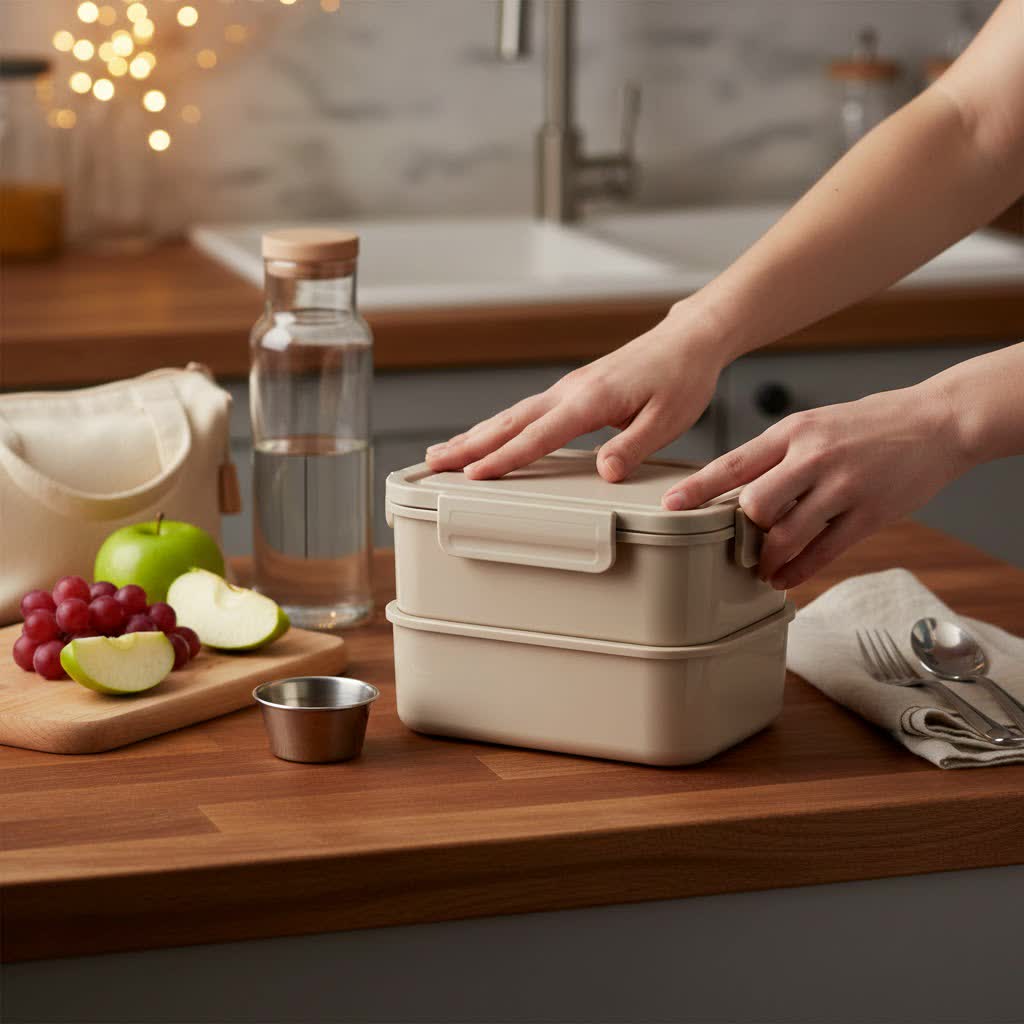
Are you tired of lackluster lunches, soggy sandwiches, or the endless parade of disposable containers? Imagine opening your lunch to a beautifully arranged, perfectly portioned meal, where every bite is fresh and flavorful. That’s the magic of the bento lunch box, a trend that has captivated individuals worldwide for its blend of practicality, health benefits, and aesthetic appeal. Whether you’re a busy professional, a student, or a parent packing meals for picky eaters, the right bento box can improve your midday meal from a chore into a delightful experience.
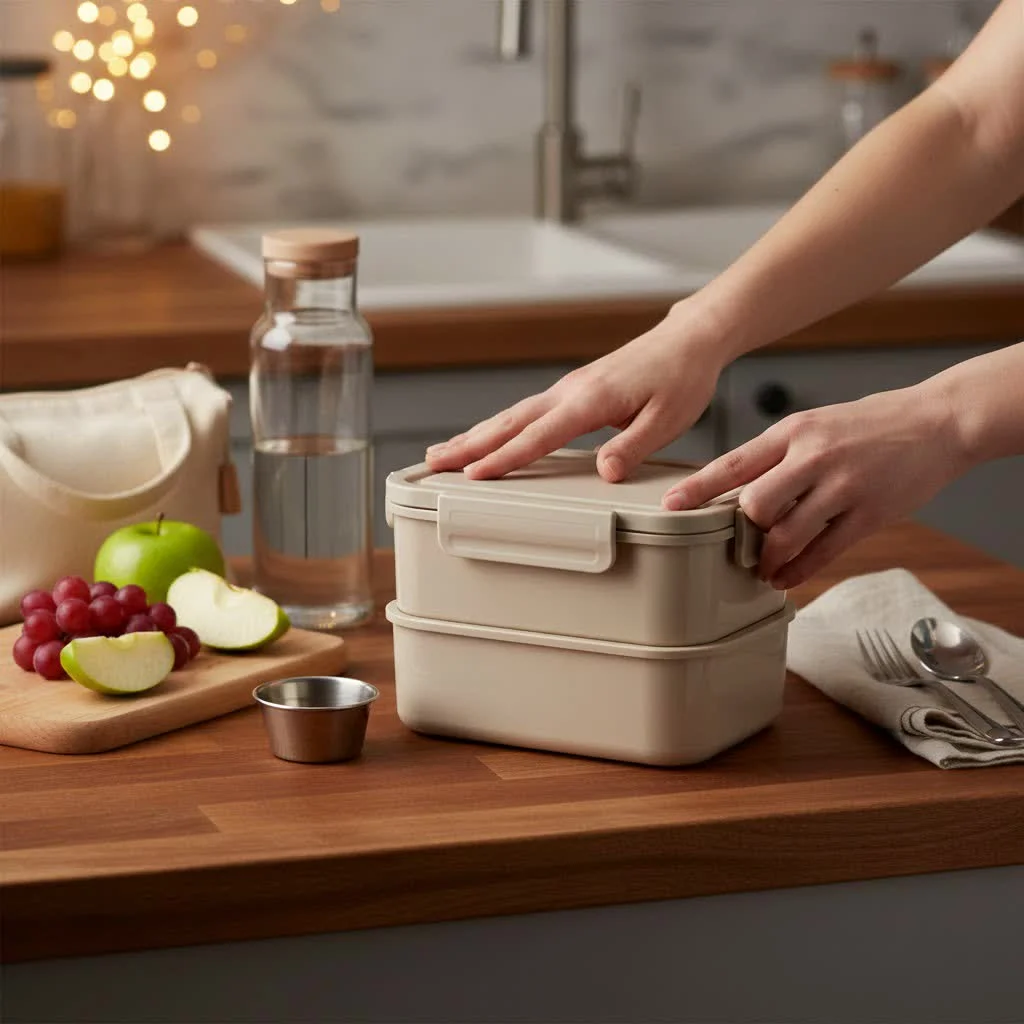
What is a Bento Lunch Box?
At its core, a bento (弁当, bentō) is a single-portion, home-packed meal of Japanese origin, typically featuring rice alongside fish or meat, and an assortment of pickled or cooked vegetables, all neatly arranged within a lidded box. The word “bento” itself traces its roots back to the Chinese term “biandang,” meaning “convenient”. Unlike traditional Western lunchboxes that often prioritize quantity or sheer durability, bento boxes emphasize balance, meticulous portion control, and an appealing presentation. These containers are frequently divided into multiple compartments, a design choice that serves to keep different foods separate, maintain distinct flavors, and encourage a varied diet. For shop curated lunch box on this site.
The evolution of the bento box is a fascinating journey through centuries of Japanese culture. The practice of carrying food for consumption outside the home dates back to Japan’s 8th century, where dried boiled rice known as “hoshi-ii” was a common portable meal. The term “bento” is said to have gained popularity during the Azuchi-Momoyama period (16th century) under military commander Oda Nobunaga, who arranged food distribution for large gatherings. By the Edo period (1603–1867), bento culture had become widespread and more refined, with travelers and sightseers carrying “koshibentō” (waist bentos) and theater-goers enjoying “makunouchi bentō” between acts. The Meiji era (1868–1912) saw the introduction of the first “ekiben” (train station bentos) and lightweight aluminum boxes. While a temporary decline in school bento use occurred in the Taishō era (1912–1926) due to concerns about wealth disparities, the 1980s marked a resurgence in popularity, driven by the advent of microwave ovens and convenience stores. Today, bento boxes continue to blend traditional aesthetics with modern practicality, remaining a staple for packed lunches across various settings.
Why Use a Bento Lunch Box?
Embracing a bento lunch box goes beyond just carrying food; it’s a commitment to a more mindful and efficient approach to daily meals. Here are some compelling reasons why people are making the switch:
- Cost Savings: Packing your own bento can significantly reduce spending on expensive takeout lunches. Utilizing leftovers and preparing meals at home means more money stays in your pocket.
- Nutritional Control: Bento boxes with their compartmentalized design inherently promote portion control and balanced eating. They make it easy to include a variety of food groups—carbohydrates, proteins, fruits, and vegetables—ensuring a nutritious meal tailored to your dietary needs.
- Environmental Protection: Opting for a reusable bento box dramatically cuts down on single-use plastic waste, such as bags, wraps, and disposable containers. This eco-friendly choice contributes to a reduced environmental footprint.
- Convenience and Flexibility: These all-in-one containers streamline your meal prep and transportation. Whether for work, school, picnics, or travel, bento boxes offer an organized and compact way to carry your food, simplifying daily routines.
- Enhanced Food Freshness and Separation: The dividers in a bento box prevent different foods from touching, avoiding soggy textures or mixed flavors. This is particularly beneficial for picky eaters and ensures that crisp items remain crisp and wet items stay contained. Many designs also feature leak-proof seals for worry-free transport.
- More Enjoyable Meals: The visual appeal of a well-packed bento can genuinely boost your mealtime enjoyment. Colorful arrangements and creative food styling (like “kyaraben” or character bentos) make eating a delightful experience for both children and adults.
- Easy Cleanup: Many modern bento boxes are designed with convenience in mind, featuring dishwasher-safe components (though lids and delicate parts often require hand washing).
Popular Types of Bento Lunch Boxes
The world of bento boxes offers a vast array of choices, primarily differentiated by their material, design, and functionality. Understanding these distinctions will help you select the perfect companion for your meals.
Classification by Material
|
Our Picks for the Best Lunch Box in 2026
As an Amazon Associate I earn from qualifying purchases.
|
||
| Num | Product | Action |
|---|---|---|
| 1 | Lifewit Medium Lunch Bag Insulated Lunch Box Soft Cooler Cooling Tote for Adult Men Women, Black 12-Can (9L) |

|
| 2 | Lifewit Large Lunch Bag Insulated Lunch Box Soft Cooler Cooling Tote for Adult Men Women, Dark Blue 12-Can (9L) |
|
| 3 | Lifewit Medium Lunch Bag Insulated Lunch Box Soft Cooler Cooling Tote for Adult Men Women, Dark Green 12-Can (9L) |
|
| 4 | Bento Box Adult Lunch Box, Containers for Adults Men Women with 4 Compartments, Lunchable Food Container with Utensils, Sauce Jar, Muffin Liners, 40 Oz/5 Cup, Microwave & Dishwasher Safe, Brown |
|
| 5 | Lifewit Medium Lunch Bag Insulated Lunch Box Soft Cooler Cooling Tote for Adult Men Women, Gray 12-Can (9L) |
|
| 6 | Lunch Bag Women Girls Boys Kids Lunch Box for Men School Work Picnic Travel, Large Insulated Lunch Tote Bags for Food Container Cooler with Water Bottle Holder Handheld Shoulder Strap Black A |
|
| 7 | DUPASU Electric Lunch Box Food Warmer: 100W Heated Lunch Box for Adults, 1.8L Portable Fast Heating Lunchbox Food Heater for Car, Truck, Work, Travel, Lonchera Elctrica Porttil 12/24V/110-230V |
|
| 8 | Lifewit Medium Lunch Bag Insulated Lunch Box Soft Cooler Cooling Tote for Adult Men Women, Dark Gray 12-Can (9L) |
|
| 9 | Lifewit Medium Lunch Bag Insulated Lunch Box Soft Cooler Cooling Tote for Adult Men Women, Burgundy 12-Can (9L) |
|
| 10 | Carhartt Camping Cooler, Worksite Lunchbox, Soft Shell Lunch Bag for Construction Sites, Work and Everyday Use, Black |
|
The material of your bento box significantly impacts its durability, weight, insulation properties, and maintenance requirements.
- Plastic Bento Boxes:
- Pros: Lightweight, highly versatile, often microwave-safe (with lids removed), and frequently dishwasher-safe. Available in a vast range of colors and designs, making them a popular and economical choice. BPA-free plastic options address health concerns.
- Cons: Can sometimes retain odors or stains, and durability can vary depending on the quality of the plastic. Not all plastic boxes are microwave or dishwasher safe, so checking manufacturer instructions is crucial.
- Stainless Steel Bento Boxes:
- Pros: Extremely durable and long-lasting, making them a sustainable, eco-friendly option. They do not leach chemicals into food, are easy to clean, and excel at maintaining food temperature (though not insulated like a thermos). Many are dishwasher-safe.
- Cons: Typically heavier than plastic alternatives and not microwave-safe. They can also be more expensive upfront. Some designs may not be completely leakproof without additional silicone seals.
- Glass Bento Boxes:
- Pros: Non-reactive, meaning they won’t absorb food odors or stains, and are ideal for those who prefer to avoid plastics. They are generally microwave-safe and dishwasher-safe.
- Cons: Significantly heavier and more fragile than plastic or stainless steel, requiring careful handling to prevent breakage.
- Wooden and Lacquered Bento Boxes (Traditional):
- Pros: Known for their exquisite craftsmanship and elegant aesthetic. Natural wood (like cedar or cypress) can subtly enhance food flavors, particularly rice, by absorbing excess moisture. Lacquered boxes are often beautifully decorated.
- Cons: More delicate and require hand washing. They are not microwave or dishwasher safe and tend to be more expensive due to their artistry and traditional materials.
- Bamboo Bento Boxes:
- Pros: An eco-friendly choice, lightweight, and durable, often possessing natural antibacterial properties. They offer a unique, natural aesthetic.
- Cons: Not typically microwave or dishwasher safe and may be prone to staining.
- Aluminum Bento Boxes:
- Pros: Very lightweight and durable. If uncoated and without seals, they are often plastic-free and can last a long time. Many are dishwasher-safe.
- Cons: Not microwave-safe and can dent easily. Uncoated aluminum may corrode with acidic foods.
Classification by Design
Beyond materials, bento boxes come in various configurations to suit different packing styles and preferences.
- Single-Compartment Boxes: Simple, open designs that offer maximum flexibility for larger items like sandwiches or salads, often requiring silicone cups or wraps for separation.
- Multi-Compartment Boxes: Feature fixed or removable dividers that keep different food items neatly separated. This is the hallmark of the bento style, ideal for diverse meals and preventing food from touching.
- Stackable (Tiered) Boxes: Consist of two or more layers, often secured with an elastic band, allowing for greater food capacity while remaining compact. “Jubako” are traditional multi-tiered boxes, often used for picnics or special occasions.
- Themed and Character Bentos (Kyaraben/Oekakiben): These are elaborately decorated bentos where food is arranged to resemble popular characters, animals, or scenes, adding a playful and artistic touch, especially popular for children.
- Shapes: While rectangular boxes are common for layered meals, round or oval shapes are great for pastas and salads, and square boxes fit sandwiches well in lunch bags.
Classification by Function
Modern bento boxes integrate various features to enhance usability.
- Leak-proof Boxes: Designed with tight seals (often silicone) to prevent liquids and sauces from spilling between compartments or into your bag, crucial for carrying yogurts or dips.
- Insulated/Thermal Boxes: These are specifically designed to keep food warm or cold for several hours. They often consist of a stainless steel vacuum-insulated outer shell with inner plastic containers.
- Microwave-Safe Boxes: Many plastic and glass bento boxes are safe for reheating in the microwave, though lids should almost always be removed during microwaving.
- Dishwasher-Safe Boxes: Most modern bento boxes offer at least some dishwasher-safe components, simplifying cleanup. However, some lids or specific materials (like wood) may require hand washing.
- Integrated Utensils and Sauce Containers: Some bento boxes come with dedicated slots or compartments for cutlery and small, lidded containers for dressings or sauces, adding to their all-in-one convenience.
Table Comparing Popular Bento Box Materials
| Feature | Plastic (BPA-free) | Stainless Steel | Glass | Wood/Lacquered | Bamboo | Aluminum |
|---|---|---|---|---|---|---|
| Pros | Lightweight, versatile, affordable, wide designs, often microwave & dishwasher safe (trays) | Durable, long-lasting, chemical-free, easy to clean, maintains temp | Non-reactive, no odors/stains, microwave & dishwasher safe | Aesthetic, traditional, subtle aroma, moisture-absorbing | Eco-friendly, lightweight, durable, natural antibacterial | Very lightweight, durable, often dishwasher safe |
| Cons | Can stain/retain odors, durability varies, lids often not microwave safe | Heavier, not microwave safe, can be pricey, may not be fully leakproof without silicone | Heavy, fragile | Delicate, hand wash only, not microwave/dishwasher safe, expensive | Not microwave/dishwasher safe, can stain | Not microwave safe, can dent, may corrode with acidic foods |
| Best For | Everyday use, kids, varied meals, reheating | Durability, cold/room temp meals, eco-conscious | Reheating, pristine food, no staining | Traditionalists, special occasions, aesthetic appeal | Eco-conscious, dry snacks, natural look | Dry items, sandwiches, lightweight travel |
Tips for Choosing the Right Bento Lunch Box
With so many options available, finding your perfect bento box might feel overwhelming. Consider these factors to make an informed decision:
Determine Your Usage Needs
Before you even begin looking, clarify what you need your bento box for. Are you packing a simple sandwich, or a multi-course meal?
- Food Type: Do you need to store liquids like soup or yogurt? Look for truly leak-proof compartments. If you enjoy diverse meals, a multi-compartment design is essential.
- Capacity: Bento box sizes vary significantly. Small boxes (under 500ml) are ideal for toddlers or snacks. Medium sizes (500–780ml) suit most adults, while larger boxes (780ml and up) are better for hearty appetites or teenagers. Extra-large options (1,000ml+) are perfect for sharing on picnics.
- Features: Do you need to reheat food? A microwave-safe box (usually plastic or glass) is a must. For warm meals on the go, a thermal bento box or an insulated carrying case is necessary, as most bento boxes don’t retain heat on their own.
Prioritize Safe Materials
Food safety is paramount. Always choose bento boxes made from non-toxic, food-grade materials.
- BPA-Free Plastic: If opting for plastic, ensure it’s explicitly labeled BPA-free.
- Food-Grade Stainless Steel: A popular choice for its safety and durability.
- Glass: Offers a non-reactive surface, preventing chemical leaching.
Always check for relevant safety certifications when available.
Opt for Convenient Design
A well-designed bento box enhances your daily experience.
- Ease of Use: Consider how easily the box opens and closes, especially if it’s for children.
- Cleaning: Look for models that are easy to clean. Removable silicone seals are great for preventing leaks but should be detached for thorough cleaning to avoid mold buildup. Dishwasher-safe components save time. Avoid designs with sharp corners or tiny, inaccessible crevices that can be hard to scrub.
- Portability: Some boxes come with built-in handles or fit snugly into insulated bags. Consider if the shape and size are compatible with your backpack or lunch tote.
Consult User Reviews and Expert Opinions
Reading reviews from other users and experts can provide valuable insights into real-world performance, durability, and common issues. Look for feedback on leak-proof claims, ease of cleaning, and how well the box holds up over time. Brands like Bentgo, Yumbox, Lunchbots, and Ecolunchbox are frequently highlighted in “best of” lists for various categories.
Top 5 Bento Lunch Boxes Popular Today
Based on user satisfaction, expert reviews, and diverse functionalities, here are 5 highly-regarded bento lunch boxes:
- Bentgo Kids Lunch Box:
- Pros: Designed specifically for children aged 3-7, with five child-sized compartments. It boasts a leak-proof design with rubber-coated edges for durability against drops, and easy-to-use latches for small hands. The removable tray is microwave and dishwasher safe.
- Cons: Can be slightly heavier than other models and the exterior may show scratches over time.
- Yumbox Original/Panino:
- Pros: Renowned for its leak-proof silicone-sealed lid, preventing even yogurt or dips from mixing between compartments. Available in various sizes and compartment layouts to suit different preferences (e.g., Panino for sandwiches, Original for “snacky” lunches). Made from BPA-free plastic with a removable, dishwasher-safe insert.
- Cons: The outer case typically requires hand washing. Decorative designs on the insert might scratch off over prolonged use, and silicone seals can sometimes stain or retain smells if not dried completely.
- Lunchbots Stainless Steel Bento Boxes (e.g., Cinco, Trio, Quad):
- Pros: Made from durable, food-grade stainless steel with no plastic components in the food contact areas. They are easy to clean and dishwasher-safe. Available in multiple compartment configurations and sizes, offering a structured way to pack diverse foods.
- Cons: Not inherently leak-proof between compartments (requiring separate small containers for wet foods). The lid is not attached and can come off if dropped. Heavier than plastic options and generally more expensive.
- OmieBox Bento Box:
- Pros: A unique hybrid design featuring mostly plastic construction with an integrated stainless steel insulated thermos. This allows you to pack both warm and cold foods in the same box. It comes with a removable divider and a carrying handle. The new OmieBox UP version includes a removable ice pack for even better temperature control.
- Cons: Can be larger and heavier than other bento boxes. Some users find the original OmieBox challenging for small hands to open and close.
- Bentoheaven Bento Box:
- Pros: Offers a sleek, minimalist design with two stackable tiers, often including adjustable/removable dividers and a small lidded sauce container. It’s leak-proof between tiers thanks to gaskets, and features a vent for microwave reheating. Comes with a full set of utensils. Made from sturdy, recyclable BPA-free plastic.
- Cons: Some users report that the tight-fitting lids can be a bit difficult to open, and it is not insulated to keep food hot or cold.
How to Clean and Maintain Your Bento Lunch Box
Proper care is essential to ensure your bento box remains hygienic, functional, and lasts for years.
- Clean Immediately: Always clean your bento box shortly after use to prevent food odors and stains from setting in. If immediate washing isn’t possible, wipe the interior with a wet tissue.
- Dishwasher vs. Hand Wash: Many plastic and stainless steel bento boxes are dishwasher-safe (typically top rack recommended). However, lids, especially those with silicone seals, and any decorative elements are often best hand-washed to preserve their integrity and prevent warping or damage. Wooden and lacquered boxes must be hand-washed with mild soap and a soft sponge.
- Disassemble for Thorough Cleaning: For boxes with removable dividers or silicone seals, take them apart completely. This ensures that no food particles or moisture get trapped, which could lead to mold growth or lingering smells.
- Air Dry Completely: After washing, allow all components of your bento box to air dry thoroughly before reassembling or storing. This is particularly important for silicone seals to prevent mold and unpleasant odors.
- Cool Food Before Sealing: Never seal hot food inside your bento box immediately after cooking. Let it cool down to room temperature first. Sealing hot food can create condensation, which may lead to bacterial growth, and can also create a vacuum seal that makes the lid difficult to open.
- Microwave Cautions: If your bento box is microwave-safe (usually plastic or glass), always remove the lid before reheating. Plastic lids can warp or melt under microwave heat. Stainless steel and aluminum boxes are never microwave-safe.
By following these simple care instructions, your bento box will remain a reliable and enjoyable part of your daily routine for a long time.
Conclusion
The bento lunch box offers a refreshing alternative to conventional lunch packing, bringing a touch of Japanese culinary tradition and thoughtful design to your daily routine. From its historical roots as a convenient meal for travelers to its modern-day role in promoting balanced nutrition, reducing waste, and adding joy to mealtimes, the bento box truly stands out. With a variety of materials like durable stainless steel, versatile BPA-free plastic, and elegant wood, coupled with diverse designs and functions, there’s a bento box perfectly suited for every lifestyle and need.
By considering your specific requirements for capacity, materials, and features like leak-proofing or microwave safety, you can confidently choose a bento box that aligns with your preferences. proper cleaning and maintenance are key to extending the life of your chosen box, ensuring it continues to bring convenience and delight to your meals for years to come. Isn’t it time to improve your lunch game and discover the perfect bento box companion for your culinary adventures?
Frequently Asked Questions
What foods are typically packed in a bento lunch box?
Traditionally, a bento contains a balanced meal of rice or noodles, a protein like fish or meat, and various pickled or cooked vegetables. Modern bentos can include anything from sandwiches and salads to fruits and dips, emphasizing variety and nutritional balance.
Can I put my bento box in the microwave?
Many plastic and glass bento boxes are microwave-safe, but you should always remove the lid before reheating. Stainless steel and wooden bento boxes are generally not microwave-safe.
Do bento boxes keep food warm?
Most standard bento boxes are not insulated and will not keep food warm for extended periods, similar to a regular lunchbox. For hot meals, you’ll need a specialized thermal bento box or an insulated carrying case with a separate food thermos.
Are bento boxes good for weight loss?
Yes, bento boxes can be excellent for weight loss. Their compartmentalized design naturally encourages portion control and helps you pack a balanced, calorie-conscious meal with a variety of healthy foods.
How do I prevent food from mixing in my bento box?
Bento boxes are designed with compartments or come with removable dividers to keep foods separate. For very wet items like sauces or yogurt, opt for a bento box with leak-proof seals between compartments or use small, sealed containers within the box.
Get our weekly buyer guide
Practical specs, not advice. Unsubscribe anytime.
