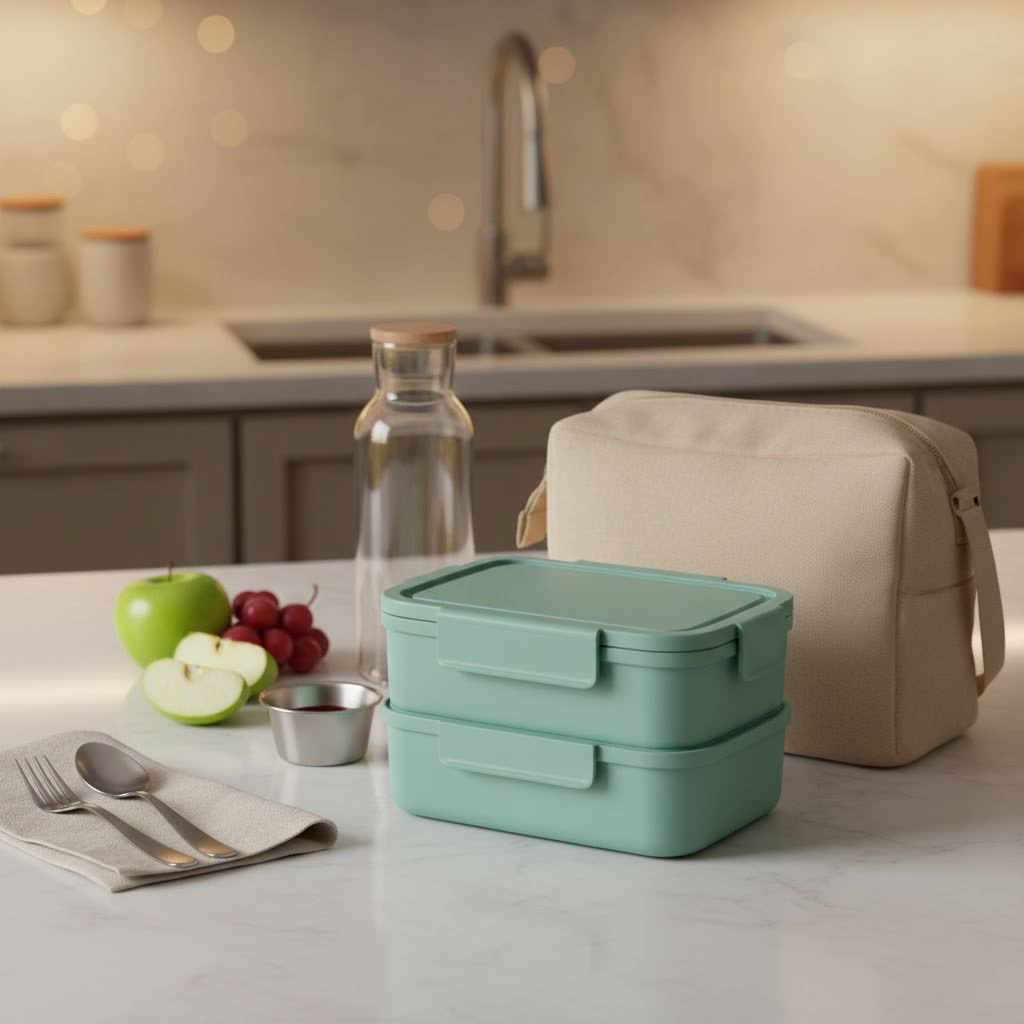
Do you ever wonder if your carefully packed lunch will still be fresh and safe to eat by the time noon rolls around? Whether you’re sending your child off to school or preparing your own meal for a busy workday, ensuring food safety and freshness is paramount. This is where the humble yet powerful ice pack for lunch boxes comes into play, transforming an ordinary lunch bag into a mini-refrigerator that keeps your meals perfectly chilledLet’s examine everything you need to know about these essential cooling companions.
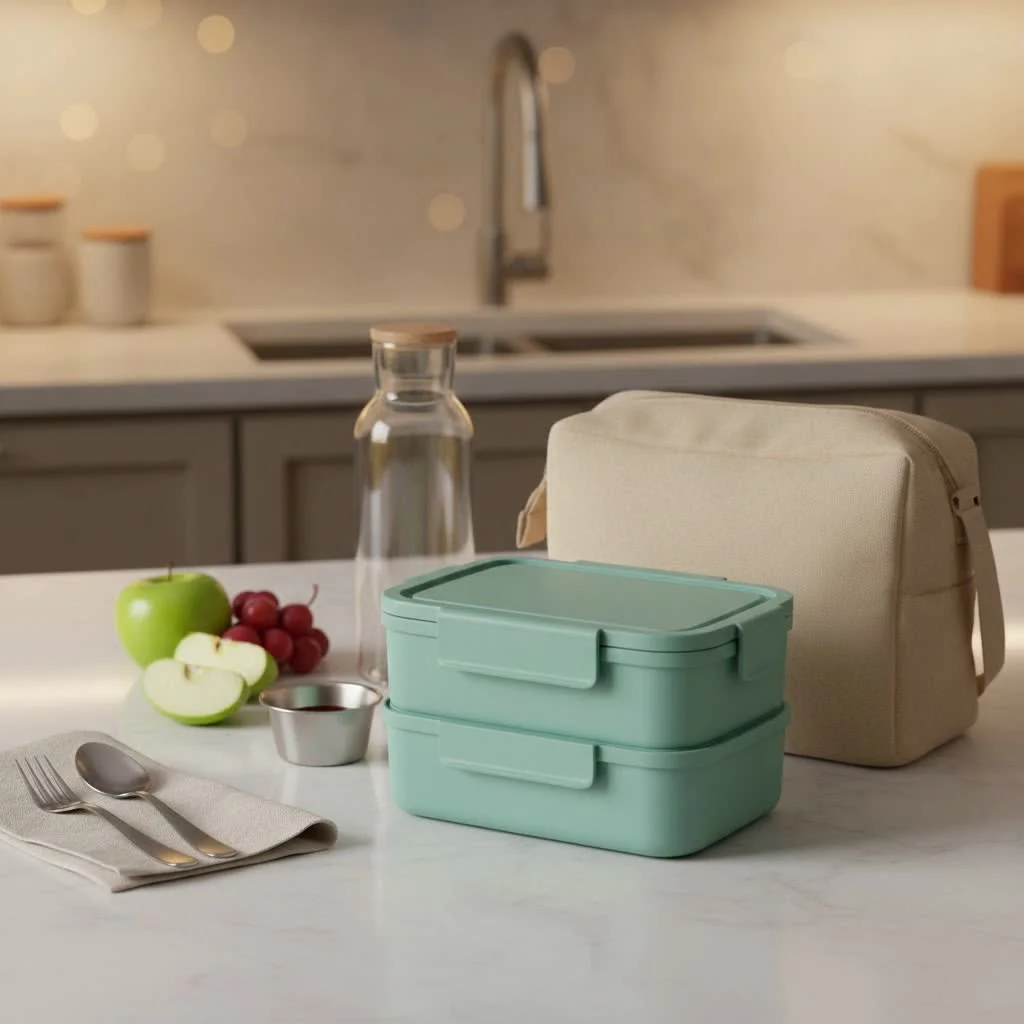
What is an Ice Pack for a Lunch Box?
An ice pack for a lunch box is a self-contained, reusable cooling device designed to maintain low temperatures within an insulated lunch container. Its primary function is to prevent perishable foods from entering the “danger zone” – a temperature range between 40°F (4°C) and 140°F (60°C) where bacteria can multiply rapidly. These innovative packs have evolved significantly from simple blocks of ice, now utilizing advanced gels and phase-change materials to offer extended cooling and enhanced convenience. They actively absorb heat from their surroundings, effectively lowering the internal temperature of your packed meal and preserving its quality.
Why Are Ice Packs Crucial for Your Lunch?
The importance of ice packs extends far beyond just keeping your beverages cool. They play a vital role in food safety, freshness, and overall convenience, making them an indispensable accessory for anyone packing a meal to go.
Ensuring Food Safety
The most critical function of an ice pack is to keep perishable foods at a safe temperature. Items like dairy products, deli meats, cooked leftovers, and some fruits and vegetables can quickly spoil and become unsafe if left at room temperature for too long. The U.S. Department of Agriculture (USDA) advises that perishable food should not be left in the “danger zone” for more than two hours. Using at least two cold sources in an insulated bag helps keep food below 40°F, significantly reducing the risk of foodborne illness.
Extending Freshness
Beyond safety, ice packs help maintain the quality and palatability of your food. Nobody wants a wilted salad or a lukewarm yogurt. By keeping ingredients consistently cool, ice packs preserve the texture, flavor, and nutritional value of your meal, ensuring it tastes just as good as when it was packed. This sustained coolness ensures that every bite is as intended, offering a refreshing break from your daily routine.
Convenience and Flexibility
|
Our Picks for the Best Lunch Box in 2026
As an Amazon Associate I earn from qualifying purchases.
|
||
| Num | Product | Action |
|---|---|---|
| 1 | Lifewit Medium Lunch Bag Insulated Lunch Box Soft Cooler Cooling Tote for Adult Men Women, Dark Green 12-Can (9L) |

|
| 2 | Lifewit Medium Lunch Bag Insulated Lunch Box Soft Cooler Cooling Tote for Adult Men Women, Gray 12-Can (9L) |
|
| 3 | Lifewit Medium Lunch Bag Insulated Lunch Box Soft Cooler Cooling Tote for Adult Men Women, Burgundy 12-Can (9L) |
|
| 4 | Lunch Bag Women Girls Boys Kids Lunch Box for Men School Work Picnic Travel, Large Insulated Lunch Tote Bags for Food Container Cooler with Water Bottle Holder Handheld Shoulder Strap Black A |
|
| 5 | Lifewit Medium Lunch Bag Insulated Lunch Box Soft Cooler Cooling Tote for Adult Men Women, Dark Gray 12-Can (9L) |
|
| 6 | DUPASU Electric Lunch Box Food Warmer: 100W Heated Lunch Box for Adults, 1.8L Portable Fast Heating Lunchbox Food Heater for Car, Truck, Work, Travel, Lonchera Elctrica Porttil 12/24V/110-230V |
|
| 7 | Lifewit Medium Lunch Bag Insulated Lunch Box Soft Cooler Cooling Tote for Adult Men Women, Black 12-Can (9L) |
|
| 8 | Carhartt Camping Cooler, Worksite Lunchbox, Soft Shell Lunch Bag for Construction Sites, Work and Everyday Use, Black |
|
| 9 | Bento Box Adult Lunch Box, Containers for Adults Men Women with 4 Compartments, Lunchable Food Container with Utensils, Sauce Jar, Muffin Liners, 40 Oz/5 Cup, Microwave & Dishwasher Safe, Brown |
|
| 10 | Lifewit Large Lunch Bag Insulated Lunch Box Soft Cooler Cooling Tote for Adult Men Women, Dark Blue 12-Can (9L) |
|
For those without access to a refrigerator at work, school, or during travel, ice packs offer unparalleled convenience. They liberate you from needing a cold storage unit, allowing you to enjoy homemade meals wherever you are. Whether you’re commuting, picnicking, or working outdoors, an ice pack ensures your lunch remains cool and ready to eat, providing peace of mind and flexibility.
Environmental Impact
Choosing reusable ice packs contributes positively to environmental sustainability. Unlike single-use plastic bags of ice or disposable cooling methods, reusable options reduce waste and your carbon footprint. This small change in your daily routine can make a big difference in minimizing environmental impact over time.
Types of Ice Packs for Lunch Boxes
The market offers a diverse range of ice packs, each with unique characteristics that cater to different needs. Understanding these types can help you select the best cooling companion for your lunch box.
Gel Ice Packs
Gel ice packs are perhaps the most popular type, known for their versatility and efficient cooling. They are typically filled with a non-toxic, water-based gel that remains pliable even when frozen, allowing them to conform snugly around food containers. This close contact maximizes cooling efficiency. Gel packs generally maintain a cold temperature for 4 to 8 hours, making them ideal for school or office lunches. Many are made from BPA-free vinyl and are designed to be durable and leak-resistant, ensuring safe food contact.
Hard-Sided Ice Packs
Hard-sided ice packs feature a rigid plastic shell filled with a freezing agent, often a liquid or gel. These packs are extremely durable and provide robust, long-lasting cooling. They are less flexible than gel packs but excel at keeping larger lunch boxes or coolers cold for extended periods. Their solid construction makes them resistant to punctures and leaks, though their unyielding shape might require careful arrangement within your lunch bag. Some designs, like the Yeti Ice Block, use unique shapes that freeze faster and are easier to handle.
Flexible Ice Sheets and Wraps
Designed for maximum adaptability, flexible ice sheets and wraps consist of multiple small pockets of gel or ice, allowing them to be bent and folded around food items. These are excellent for fitting into oddly shaped containers or for providing targeted cooling to specific items. Their thinner profile makes them space-saving, though they may not offer the same extended cooling duration as thicker, hard-sided packs. They are particularly useful for bento boxes or compartmentalized lunch containers.
Integrated/Built-in Ice Packs
Some innovative lunch bags and boxes come with cooling elements built directly into their walls or compartments. Brands like PackIt offer freezable lunch bags where the entire bag is designed to be frozen overnight, eliminating the need for separate ice packs. These all-in-one solutions provide efficient cooling and simplify the packing process, as you only need to one item.
DIY Cooling Solutions
For a quick and convenient alternative, you can create your own ice packs. Freezing a bottle of water or a juice box overnight serves a dual purpose: it acts as a cold source for your lunch and provides a chilled drink later in the day. Frozen yogurts can also function as mini ice packs for keeping other dairy items cool. While effective for short durations, these DIY options might not offer the same sustained cooling as dedicated ice packs and could potentially create condensation. A popular “hack” involving frozen sponges in a zip-top bag is generally not recommended due to potential bacterial growth and limited cooling power.
How to Choose the Right Ice Pack for Your Needs
Selecting the perfect ice pack involves balancing safety, practicality, and personal preference. With so many options available, a thoughtful approach ensures you pick a product that truly enhances your lunch-packing routine.
Prioritize Safety: Non-Toxic and BPA-Free Materials
When choosing an ice pack, safety should be your top concern, especially if it’s for children. Opt for products that clearly state they are “non-toxic,” “BPA-free,” and “safe for food use” on their packaging. The gel filling in most ice packs is typically water-based with thickeners and preservatives and, while generally non-toxic, should not be ingested. The outer shell, often made of PVC or similar plastics, should also be phthalate-free and leak-resistant. Look for welded seams rather than glued ones, as these are more durable and less prone to leaks.
Consider Size and Shape
The effectiveness of an ice pack is heavily influenced by its fit within your lunch box or bag. Slim, flat designs are excellent for tight spaces and can easily slide alongside containers. Larger, thicker packs, or “ice bricks,” offer longer cooling durations but require more space. Flexible designs are advantageous for wrapping around oddly shaped items or conforming to bento box compartments. Visualize how the ice pack will fit with your usual lunch containers to ensure it doesn’t take up too much valuable space.
Evaluate Cooling Duration
How long do you need your food to stay cold? This is a crucial question. Most gel-based ice packs can keep food cold for 4 to 8 hours in an insulated lunch bag. Factors like the ambient temperature, the insulation of your lunch bag, and the starting temperature of your food will influence this duration. For shorter periods, a single slim pack might suffice, but for longer commutes or hotter days, you may need multiple packs or a higher-capacity design. Some advanced phase-change materials can even exceed 12 hours of cooling, though these are often overkill for daily lunches.
Durability and Reusability
Investing in durable, reusable ice packs is both cost-effective and environmentally friendly. Look for packs made from puncture-resistant materials with robust construction. Welded seams are generally more reliable than glued seams, minimizing the risk of leaks over time. A good quality ice pack should withstand hundreds of freeze-thaw cycles without degradation. Avoiding single-use ice packs reduces waste and offers better value in the long run.
Personal Preference and Design
While functionality is key, personal preference and design can also play a role, especially for children. Many ice packs come in fun shapes, colors, or cartoon characters, which can make lunchtime more enjoyable for kids and encourage them to take ownership of their packed meals. For adults, sleek, minimalist designs might be preferred. A variety of colors can also help in differentiating lunch bags or quickly identifying which packs are ready for use.
Maximizing the Effectiveness of Your Lunch Box Ice Pack
An ice pack is only as effective as how it’s used. Implementing a few simple strategies can significantly extend its cooling power and ensure your lunch remains fresh and safe.
The Art of Pre-Chilling
To achieve optimal cooling, always ensure your ice pack is thoroughly frozen, ideally for at least 6 hours or overnight. For an extra layer of protection, consider pre-chilling your empty lunch box in the freezer for about 15-30 minutes before packing. Starting with a cold environment helps the ice pack work more efficiently from the moment you pack your meal, slowing down the transfer of heat from the outside.
Strategic Placement for Optimal Cooling
Cold air sinks. Therefore, positioning your ice pack strategically within the lunch box is vital. For maximum cooling, place ice packs at the bottom and/or on top of perishable food items. If possible, arrange your food containers so that the cold sources are directly adjacent to items like dairy, meats, and salads. For larger lunch boxes, placing packs both above and below your food creates a more consistent cold environment.
The Power of Two (or More)
The USDA Food Safety and Inspection Service recommends using at least two cold sources in an insulated lunch bag, especially for perishable foods, to ensure temperatures stay below 40°F. For longer durations, hotter climates, or larger quantities of food, using two or more ice packs is highly advisable. Combining different types, such as a large hard-sided pack with a flexible gel wrap around specific items, can also enhance overall cooling. Paired with a good insulated lunch bag, multiple ice packs can extend the safe temperature window for several hours.
Top Considerations and Recommendations for Ice Packs
When looking for an ice pack, prioritize those known for their reliable performance and safety. Slim, long-lasting gel packs are excellent for daily use, fitting easily into various lunch boxes while maintaining cool temperatures for several hours. Durable hard blocks are ideal for maximum cooling duration and robust protection, particularly in larger insulated bags or for extended trips. Many trusted brands offer ice packs that are BPA-free, non-toxic, and designed for repeated use, ensuring your meals stay perfectly chilled.
Cleaning and Care for Longevity and Safety
Proper cleaning and maintenance are essential for prolonging the life of your ice packs and ensuring food safety. After each use, wipe down your ice packs with soap and warm water. For lunch bags, regular cleaning with soap and hot water is recommended to prevent the buildup of bacteria. Always inspect your ice packs for any signs of damage, such as cracks, punctures, or leaks in the outer shell. If an ice pack is visibly damaged or leaking gel, discard it immediately to prevent potential contamination, and ensure children do not touch or ingest the contents.
Conclusion
Ice packs are far more than simple cooling devices; they are indispensable tools for maintaining food safety, freshness, and convenience in your daily life. From preventing bacterial growth in perishable foods to offering a flexible solution when refrigeration isn’t available, the right ice pack can improve your meal-packing experience. By understanding the different types, prioritizing safety and suitability, and implementing smart usage techniques, you can ensure your lunch remains delicious and safe, no matter where your day takes you. What’s your go-to ice pack strategy for keeping your lunch perfectly chilled?
Frequently Asked Questions
How long do ice packs keep food cold in a lunch box?
Most standard gel ice packs keep food cold for approximately 4 to 6 hours when used inside an insulated lunch bag. Factors like ambient temperature, the amount of food, and the quality of the insulation can extend or reduce this duration. For longer cooling, consider using multiple ice packs or specialized long-lasting models.
Are ice pack gels toxic?
Modern ice pack gels are generally formulated to be non-toxic, especially those marketed for lunch boxes. They are typically water-based with thickeners. However, it’s crucial to choose products explicitly labeled “non-toxic” and “BPA-free,” and always supervise children to prevent accidental ingestion, as the gel is not meant for consumption.
Can I use a frozen water bottle instead of an ice pack?
Yes, a frozen water bottle or juice box can serve as an effective temporary ice pack. It provides a cold source for your lunch and doubles as a refreshing drink once it thaws. This DIY method is convenient for short cooling periods but may not offer the sustained chill of dedicated gel or hard-sided ice packs.
How many ice packs do I need for a lunch box?
For optimal food safety, especially with perishable items, the USDA recommends using at least two cold sources in an insulated lunch bag. This ensures that food stays below 40°F (4°C), preventing rapid bacterial growth. For larger lunch boxes or extended cooling needs, more than two ice packs may be beneficial.
Should ice packs go on top or bottom of food?
Due to the principle that cold air sinks, placing ice packs on top of perishable food items is generally very effective for optimal cooling. However, positioning them both on the bottom and top, or surrounding the food, creates an even more consistent cold environment throughout your lunch box.
Get our weekly buyer guide
Practical specs, not advice. Unsubscribe anytime.
